Featured Matte Foundations for the Kiribati Market
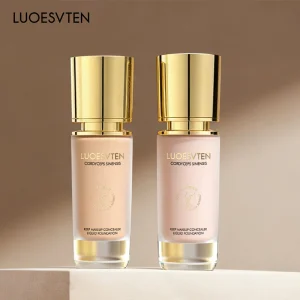
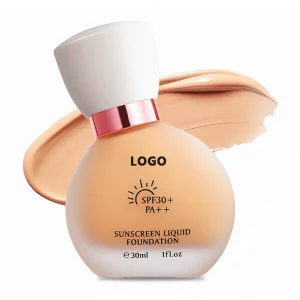
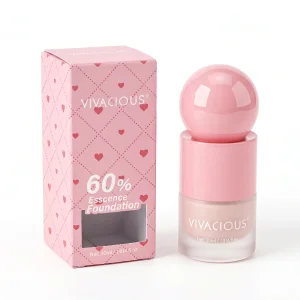
1. The Kiribati Beauty Landscape: Formulating for Equatorial Climates
Developing high-performance cosmetics for Kiribati requires an intimate understanding of its unique climate profile. Positioned along the equator, Kiribati experiences consistent high temperatures, intense solar radiation, and relative humidity levels that frequently exceed 80%. For cosmetic chemists, these factors pose significant challenges: sebum production increases, sweat emulsifies traditional cosmetics, and high atmospheric salt levels can destabilize standard cosmetic binders.
Standard foundations often oxidize, separate, or run when exposed to these conditions. To establish a successful cosmetics line in the Pacific region, brands must procure formulations developed specifically for climate resilience. This demands a pivot from heavy oil-based structures to highly advanced water-in-silicone (W/Si) or water-in-oil (W/O) emulsions. These specialized formulations leverage hydrophobic film-formers and oil-absorbing mineral microspheres to guarantee a long-wear, velvet-matte finish that endures the tropical elements.
- Hydrophobic Barriers: Utilizing Trimethylsiloxysilicate to prevent disintegration from sweat and ocean moisture.
- Sebum Control: Incorporating Silica and Polymethylsilsesquioxane to selectively absorb lipids without drying the skin.
- Non-Comedogenic Materials: Crucial for preventing breakout cycles exacerbated by tropical heat and clogged pores.
2. Global Sourcing & Strategic Supply Chain Dynamics
Kiribati's remote location in the central Pacific Ocean creates unique logistics challenges. Brands operating in South Tarawa, Kiritimati, or outer islands must navigate complex maritime shipping schedules, high freight costs, and prolonged transit times. Consequently, procurement strategies must focus on product stability and extended shelf life.
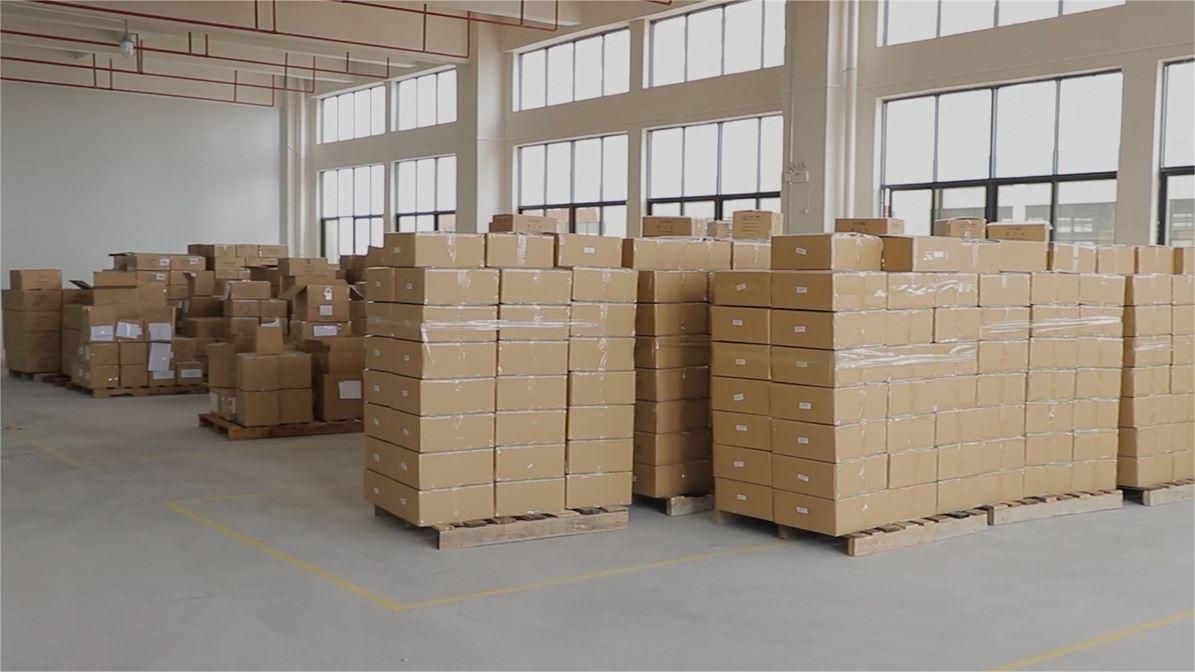
As a leading manufacturing partner, Shenzhen TPL Beauty Co., Ltd. addresses these challenges by using advanced thermal stability testing on all formulations. Our products undergo rigorous freeze-thaw cycles and high-temperature stress tests to ensure they remain stable during long sea transits. Furthermore, we optimize outer packaging to withstand physical impacts and prevent product degradation during shipment.
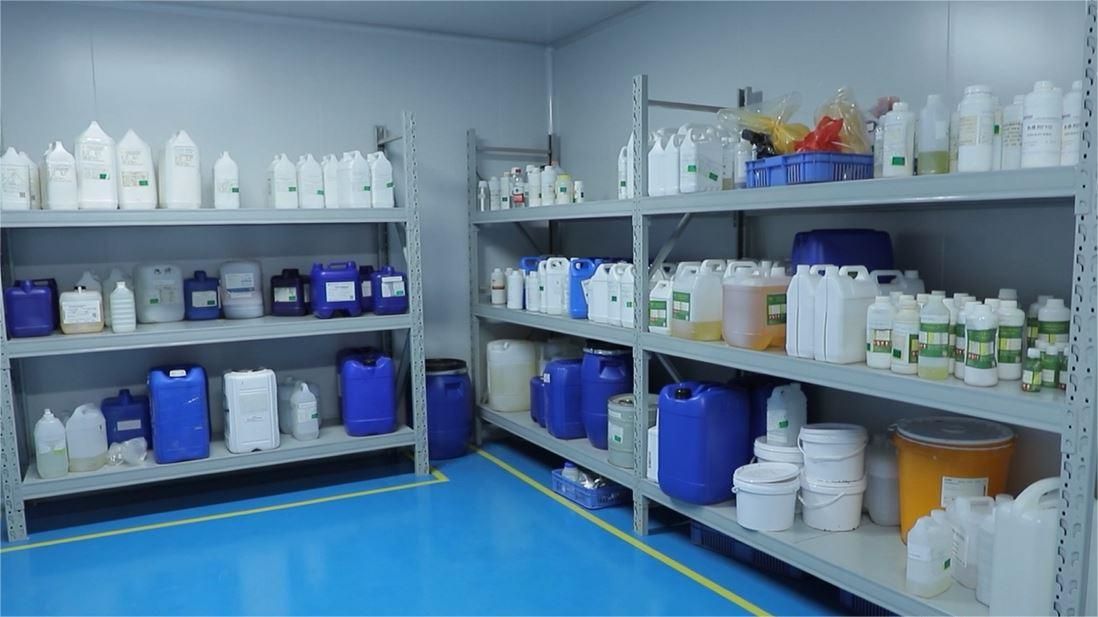
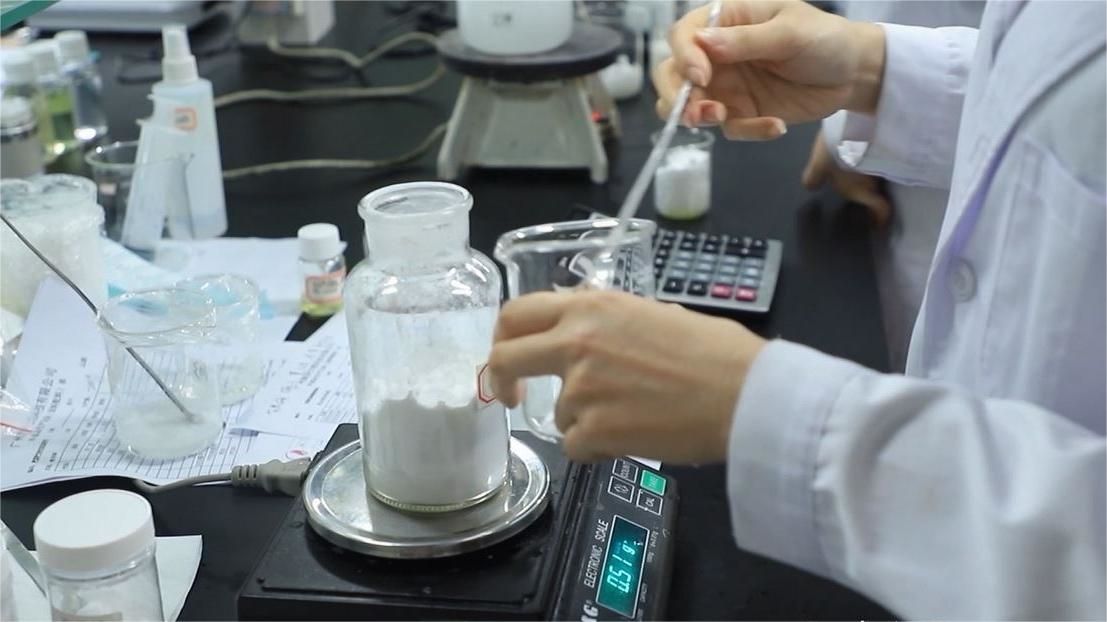
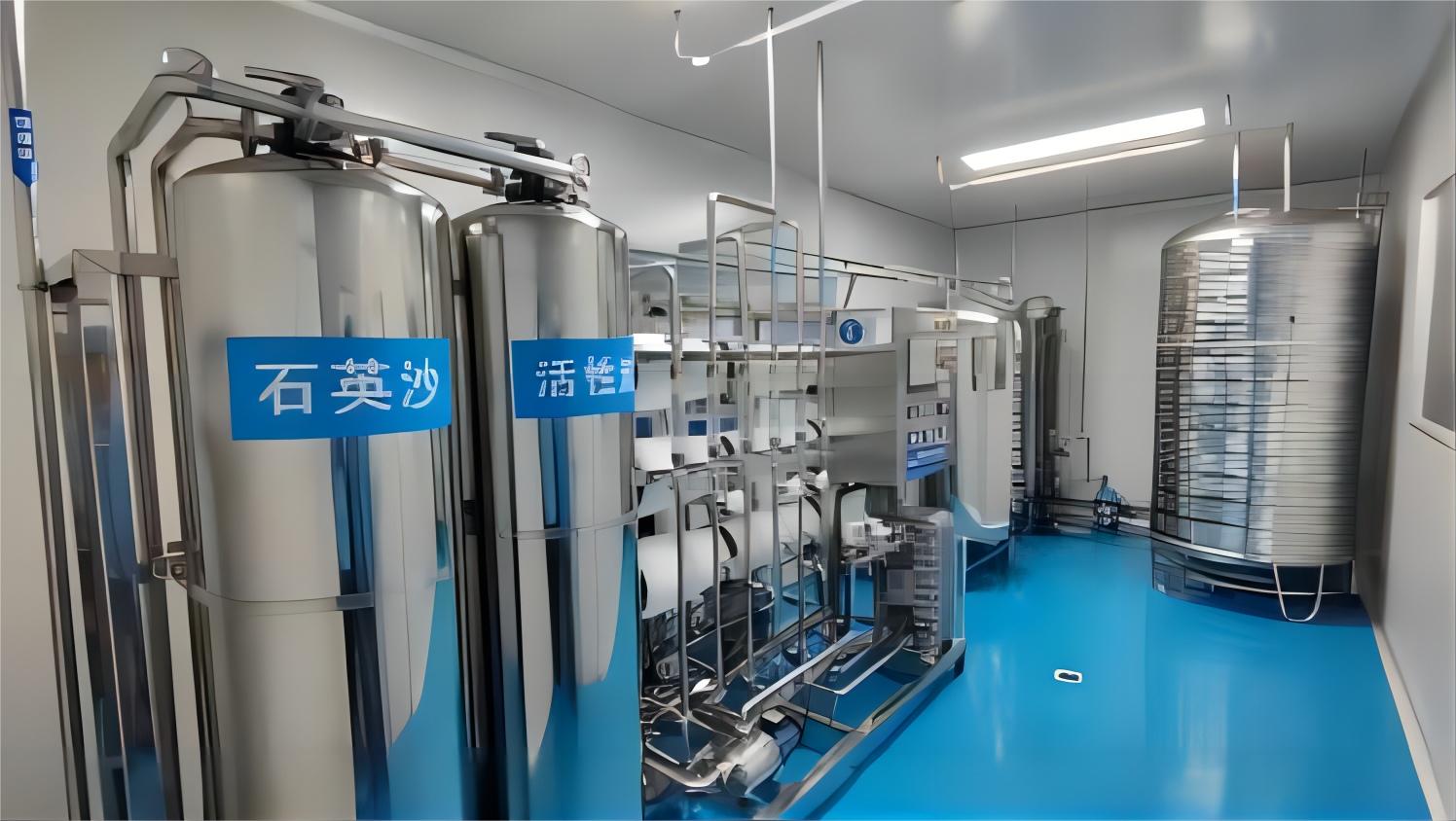
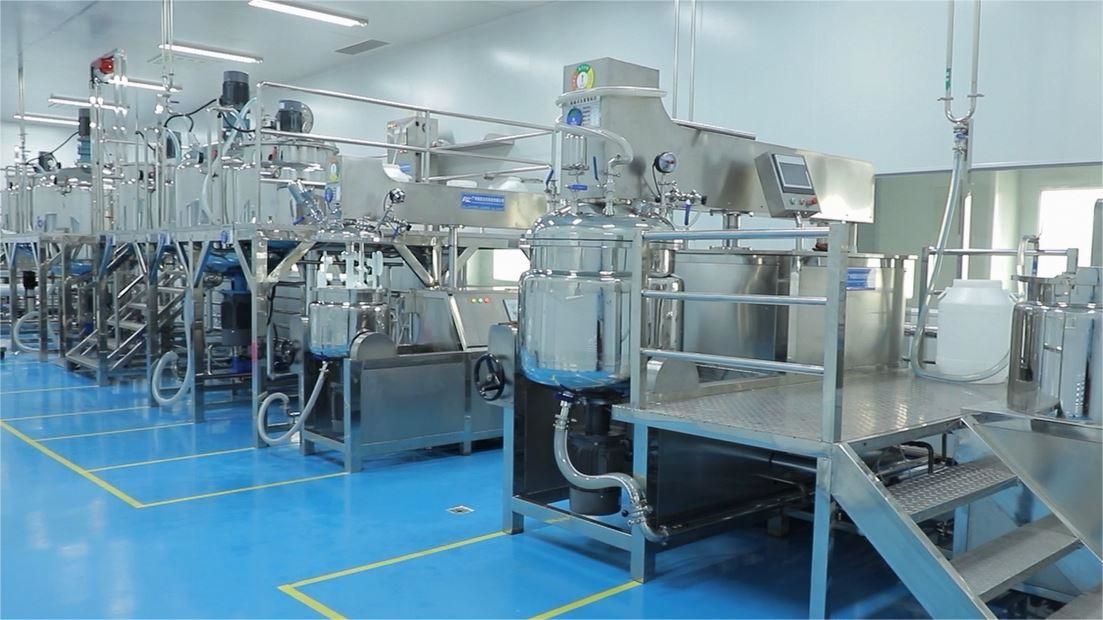
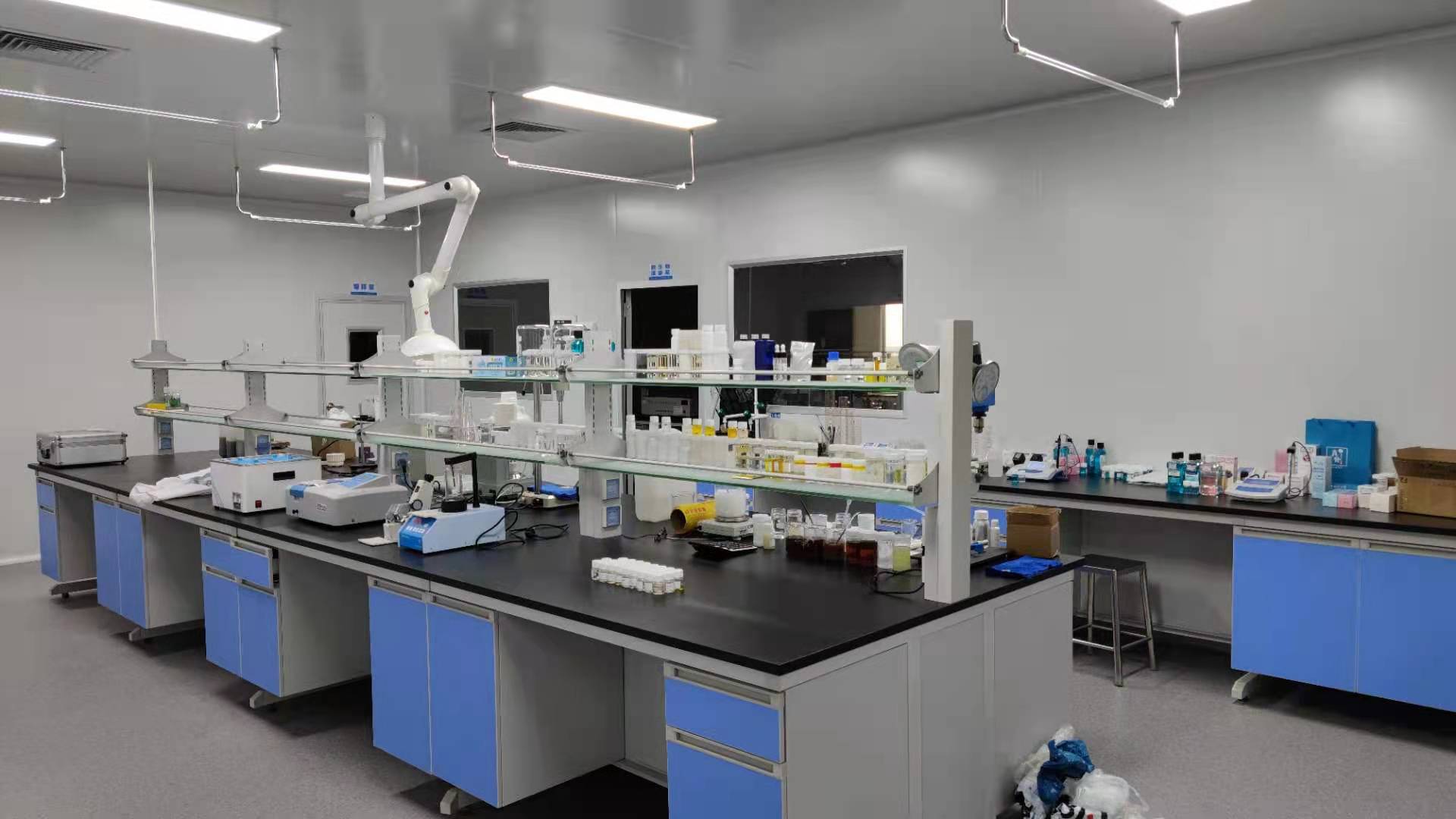
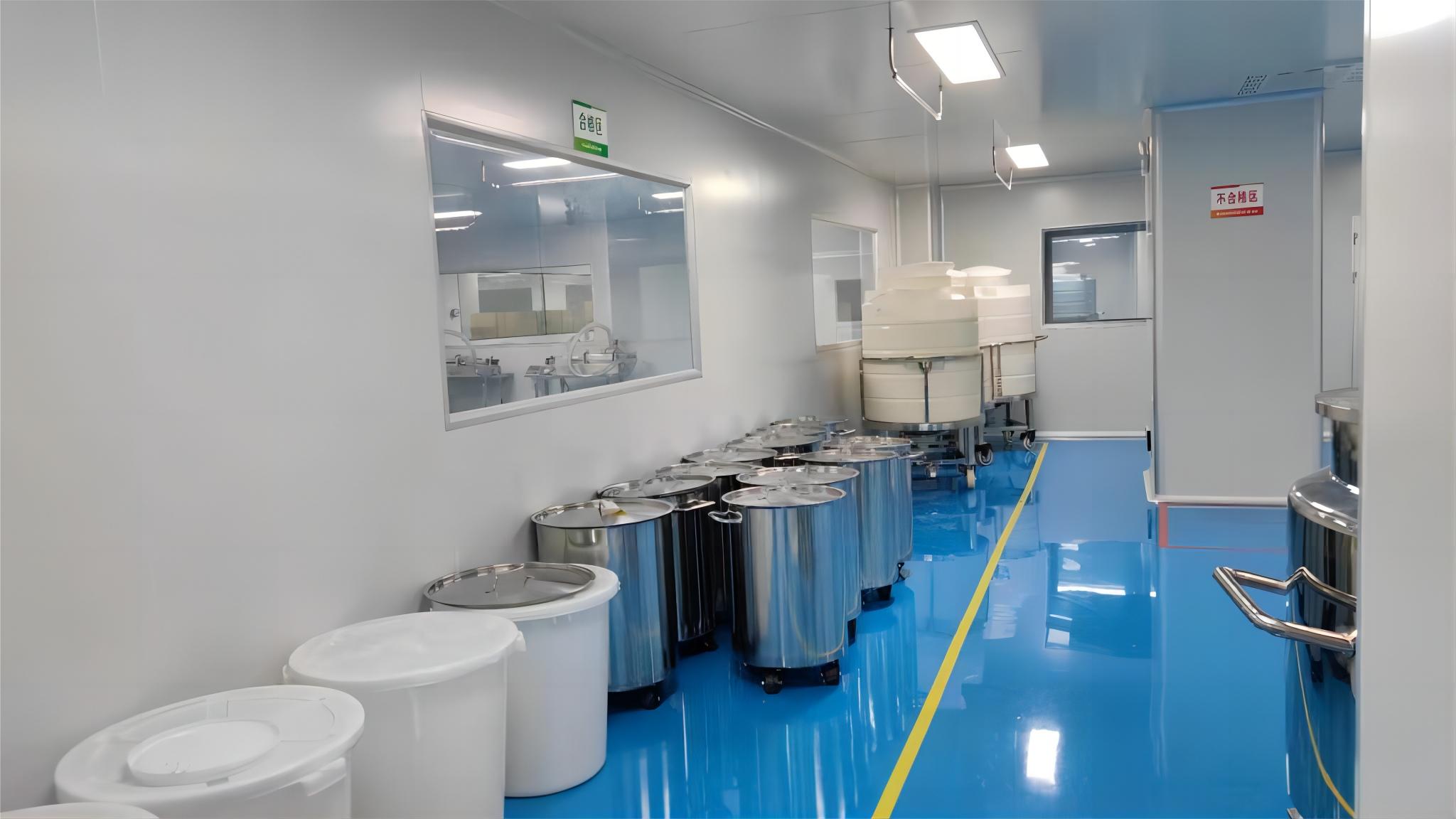
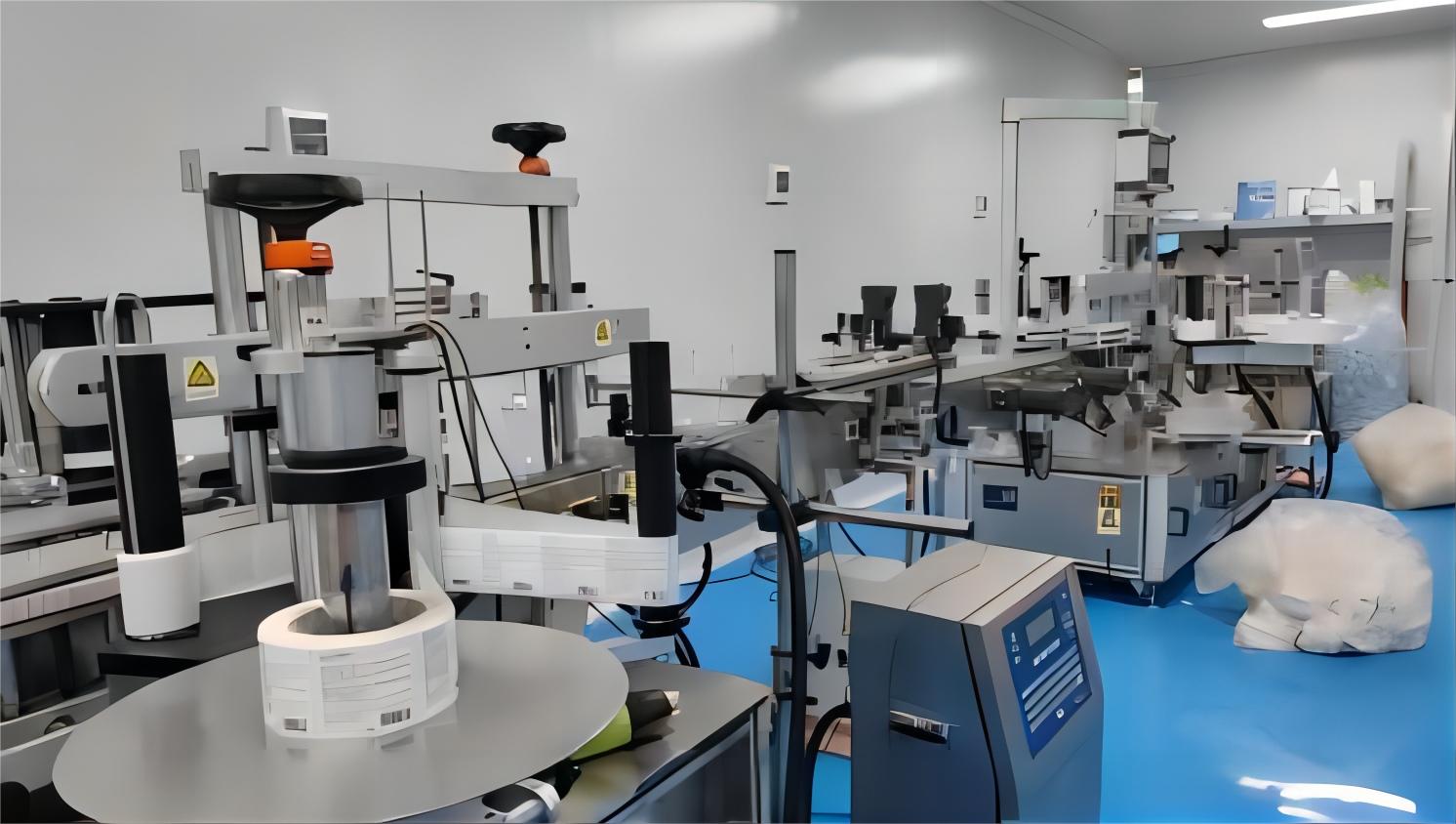
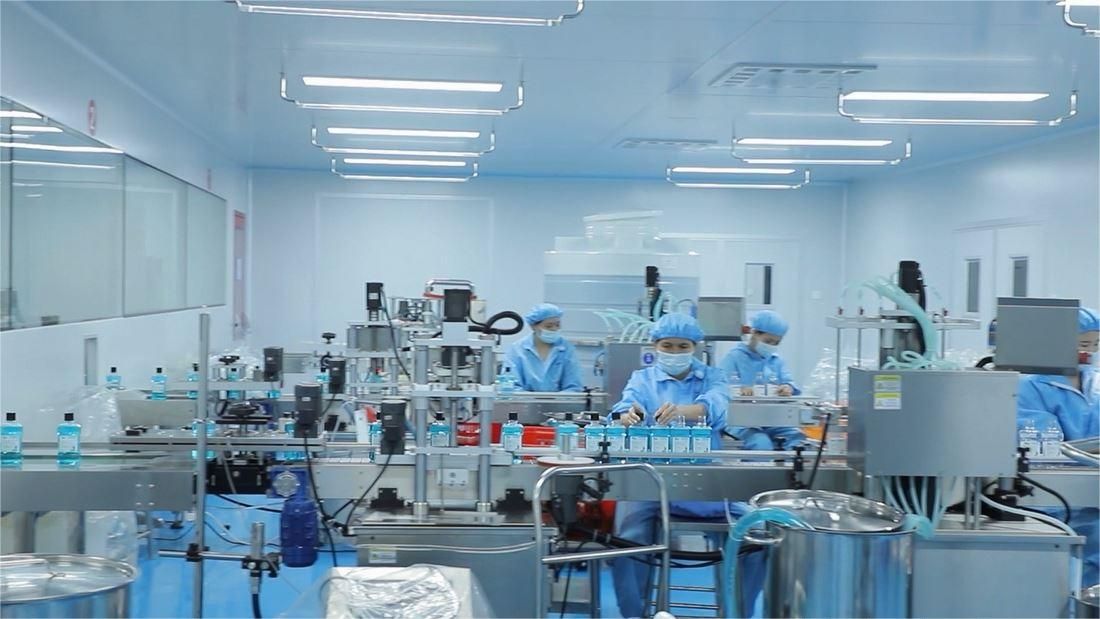
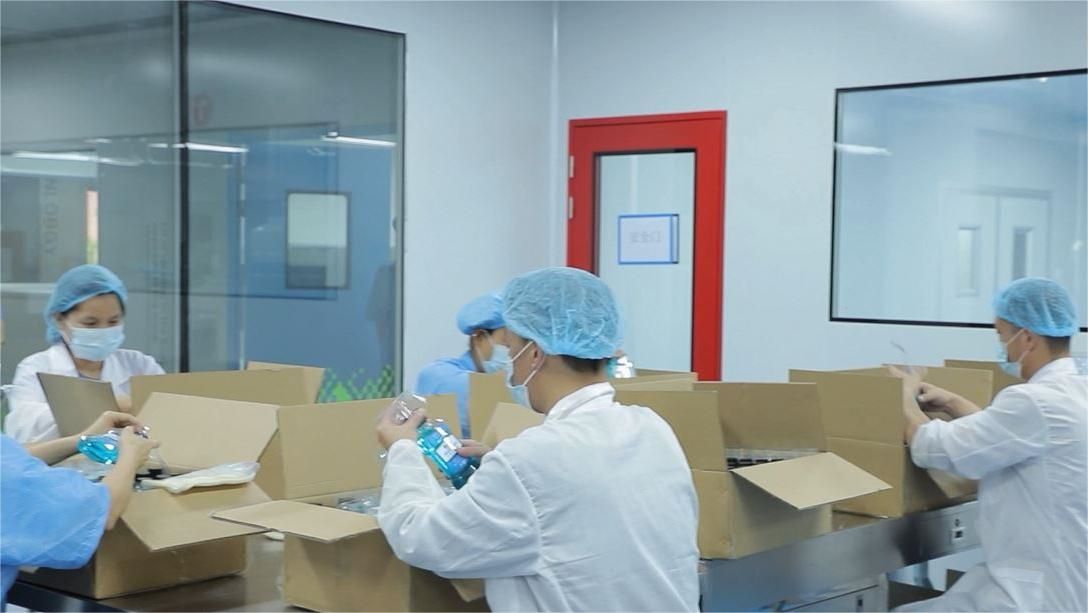
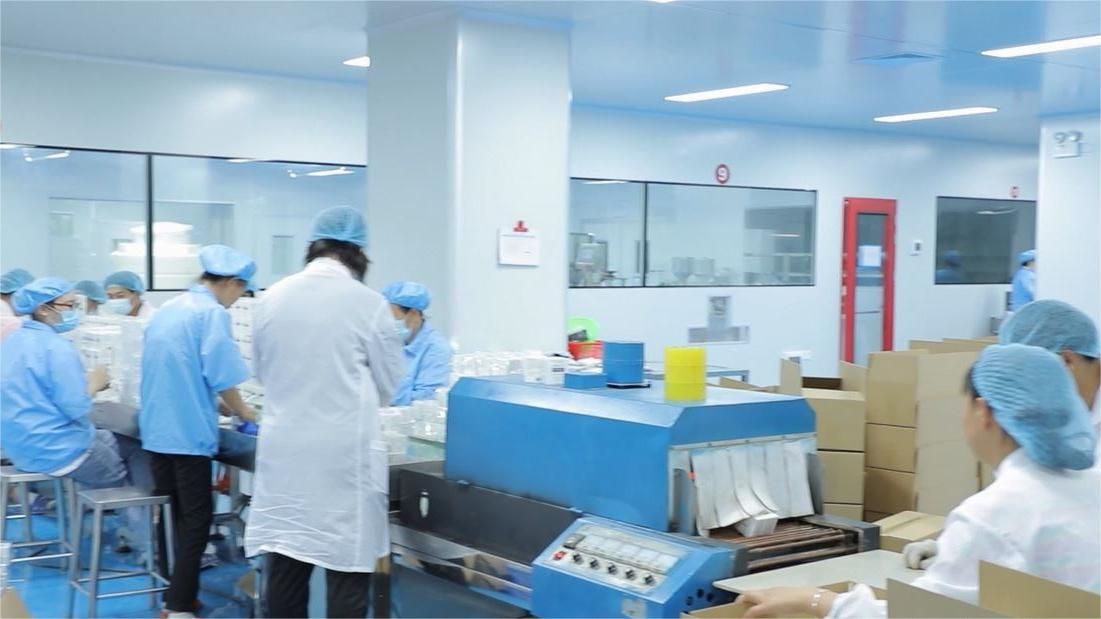
Our State-of-the-Art Cosmetic Manufacturing Process
Every batch of our high-coverage matte foundation undergoes a meticulous 11-step manufacturing process inside our ISO 22716 and GMPc certified facilities, ensuring absolute purity, stability, and safety.
3. Macro Industry Solutions: Global Standards & Inclusive Shade Matching
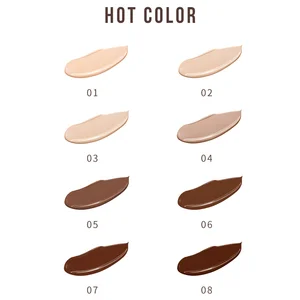
The global cosmetics industry is shifting toward inclusivity and regulatory transparency. Today, brands must offer a wide range of shades to accommodate all skin tones. For Kiribati and the broader Pacific region, this means developing deep, rich, and warm-undertone shades that match Melanesian, Micronesian, and Polynesian skin tones without leaving an ash-like or gray cast.
To achieve this, we use micronized iron oxide pigments treated with triethoxycaprylylsilane. This surface treatment ensures excellent dispersion in silicone-dominated oil phases, resulting in true-to-color shades that remain stable over time. By eliminating untreated titanium dioxide in darker shades, we resolve the issue of pastiness, delivering a natural, skin-like finish across all skin tones.
4. Regulatory Compliance and Environmental Responsibility
As microplastics and bio-accumulative chemicals face stricter regulations globally, cosmetic brands must adapt. Developing reef-safe, biodegradable, and ocean-friendly formulations is particularly important for island nations like Kiribati, where marine ecosystems are central to the culture and economy.
Our research and development team is committed to formulation safety. We swap out traditional cyclic silicones (like D4 and D5) for biodegradable ester alternatives and light vegetable alkanes. This ensures our foundations comply with EU REACH, FDA guidelines, and California Proposition 65, while protecting local reef systems from harmful chemical runoff.
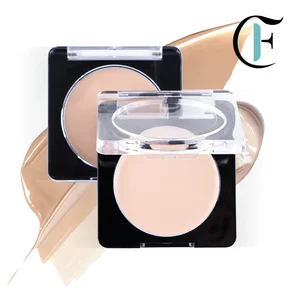
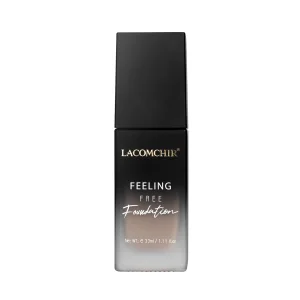
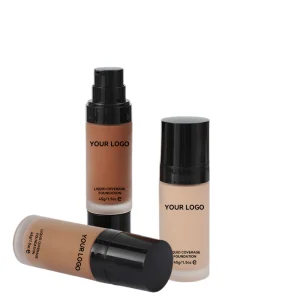
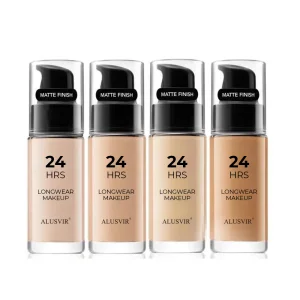
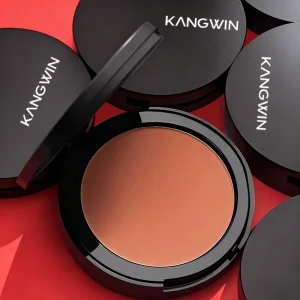
Full Custom Formulation Catalog for Kiribati Brands
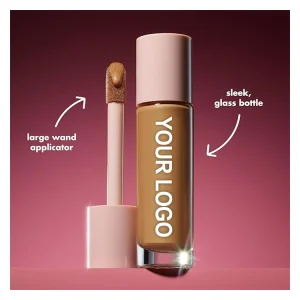
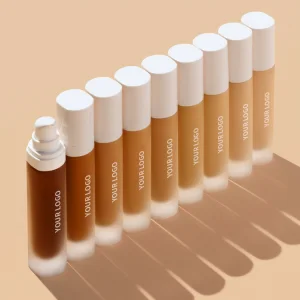
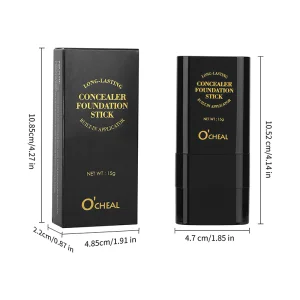
5. Technical Formulation Roadmap: Next-Gen Foundations
The future of face makeup lies in skin-first, hybrid formulations. Consumers want products that perform well while actively improving skin health. Over the next five years, TPL Beauty’s research and development roadmap focuses on integrating advanced skincare technologies into color cosmetics:
Phase A: Smart Bio-Polymer Coatings (Current Innovation)
We use hydrophobic amino-acid-coated pigments that match the skin’s natural lipid structure. This improves wear-time while maintaining skin barrier function, preventing dehydration caused by silica-heavy oil absorbers.
Phase B: High-Temperature Emulsion Stabilization (Near-Term Rollout)
By using modified polymeric emulsifiers, we prevent phase separation even at sustained temperatures of 45°C. This makes these formulations ideal for shipping and retail storage in warm regions without the need for refrigerated logistics.
Phase C: Sustainable Marine-Safe Raw Materials (Future Horizon)
We are developing zero-residue mineral foundations that use natural clays and organic plant oils instead of synthetic silicones. This ensures complete environmental safety without sacrificing long-wear performance.