Hot Selling Complexion Formulas
Explore our top-performing primary formulations ready for custom private labeling, adjustments, and brand packaging.
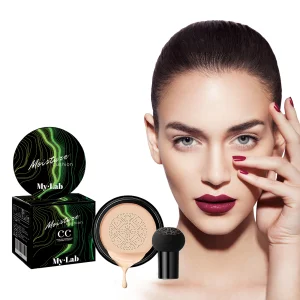
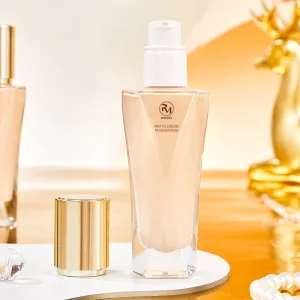
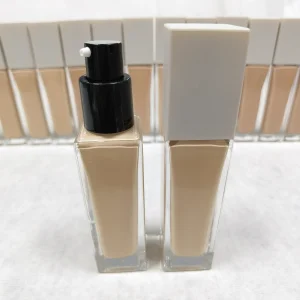
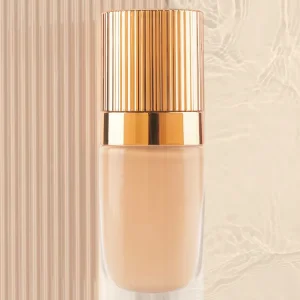
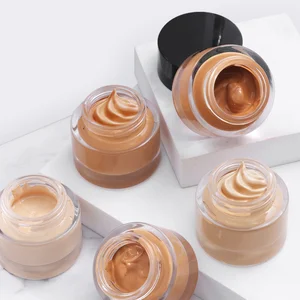
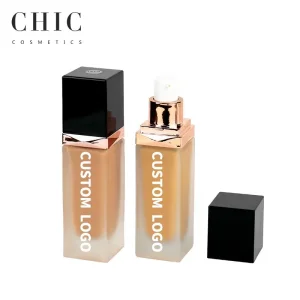
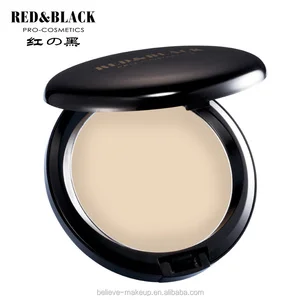
The Evolution of Cream Foundations: Global Trends & Formula Dynamics
In the modern cosmetics landscape, the definition of complexion products is undergoing a profound paradigm shift. The global market is transitioning from traditional heavy masking cosmetics to lightweight, active-infused formulas that merge makeup with dermal protection. Cream foundations are leading this revolution due to their superior thixotropic behavior, excellent moisture retention properties, and adaptability to various skin tones.
Skincare-Infused Complexion (Hybrid Beauty): Today's consumer expects their cream foundation to do more than cover imperfections. Global procurement trends show an exponential demand for cream foundations formulated with skin-identical lipids, ceramides, hyaluronic acid, and botanical adaptogens. These hybrid formulations strengthen the skin barrier, provide continuous hydration, and improve skin elasticity, making them a staple for modern prestige and mass-market cosmetic portfolios.
Inclusivity & Micro-Pigment Dispersion: Matching a wide spectrum of Fitzpatrick skin types is no longer optional—it is a critical market entry requirement. Formulators at advanced cream foundation factories utilize surface-treated pigments (such as triethoxycaprylylsilane-treated iron oxides and titanium dioxide) to guarantee uniform color dispersion, preventing ashiness or pigment separation in deeper shade profiles.
Clean & Silicon-Free Alternatives
Brands are actively phasing out D4, D5, and D6 cyclic silicones. The future lies in biodegradable ester oils, plant-derived squalane, and natural alkane-based emollients that replicate the luxurious slip of silicones without environmental persistence.
SPF & Blue Light Protection
Integration of mineral non-nano zinc oxide and titanium dioxide provides broad-spectrum UV defense while meeting the strict regulatory frameworks of European and North American cosmetic authorities.
Navigating the Global B2B Sourcing Intent & Quality Metrics
For international sourcing directors, brand managers, and procurement officers, choosing the right cream foundation factory goes beyond price per unit. The selection process involves evaluating complex supply chain parameters, technical capabilities, and compliance portfolios.
Regulatory Readiness
A reliable factory must provide absolute transparency regarding material safety data sheets (MSDS), Heavy Metal limits (arsenic, lead, mercury, cadmium), and preservative limits. Brands entering the EU require complete Product Information Files (PIF) and registration on the Cosmetic Products Notification Portal (CPNP).
Viscosity & Stability
Cream foundations are prone to phase separation under thermal stress. Factories must employ rigorous freeze-thaw stability testing, high-temperature aging chambers (45°C–50°C), and rheological profiling to ensure the emulsion remains uniform from factory to retail counter.
Custom Tooling & Packaging
Whether your brand utilizes airtight air-cushion mechanisms, dual-chamber pumps, glass jars, or tubes with antimicrobial applicator tips, the formulation must be rheologically compatible with the dispensing system to prevent leakage or air-drying.
SEO Information Gain Insight: While many suppliers claim "high quality," authoritative suppliers provide verifiable data on formulation stability, shear thinning index, and raw material sourcing transparency. Below, we dissect the complete manufacturing ecosystem of Shenzhen TPL Beauty Co., Ltd., highlighting how we mitigate common formulation issues (cracking, oxidation, micro-emulsion collapse) for our global partners.
Shenzhen TPL Beauty Co., Ltd.
Founded in 2009, Shenzhen TPL Beauty Co., Ltd. is a professional full-service private label cosmetics manufacturer specializing in the research, development, production, and customization of high-quality color cosmetic products for global beauty brands, distributors, retailers, and e-commerce businesses.
Our product portfolio covers a wide range of makeup categories, including eyeshadow palettes, lipsticks, lip glosses, liquid lipsticks, foundations, concealers, blushes, highlighters, bronzers, mascaras, eyeliners, eyebrow products, setting powders, and other innovative beauty solutions. From concept development and formula design to packaging customization and mass production, we provide comprehensive OEM/ODM services tailored to meet diverse market demands.
With extensive experience serving customers across North America, Europe, the Middle East, Southeast Asia, and other international markets, we have a deep understanding of global cosmetic regulations and quality standards. All formulations can comply with relevant international requirements, including EU Cosmetic Regulations, REACH, FDA guidelines, and California Proposition 65. We provide complete documentation support, including product testing reports, safety assessments, MSDS, ingredient documentation, and regulatory filing assistance.
Our manufacturing facility operates under strict quality management systems and is certified with GMPc and ISO 22716 standards. Every stage of production, from raw material sourcing to finished product inspection, is carefully monitored to ensure consistent quality, safety, and performance.
Quality and Trend-Driven R&D
TPL Beauty is committed to developing clean, safe, and trend-driven cosmetic products. Driven by innovation, quality, and customer satisfaction, Shenzhen TPL Beauty Co., Ltd. continuously invests in product development, color trend research, and advanced manufacturing technologies to help clients build successful and competitive beauty brands in the global marketplace.
Your Trusted Partner for OEM/ODM Cosmetic Manufacturing.
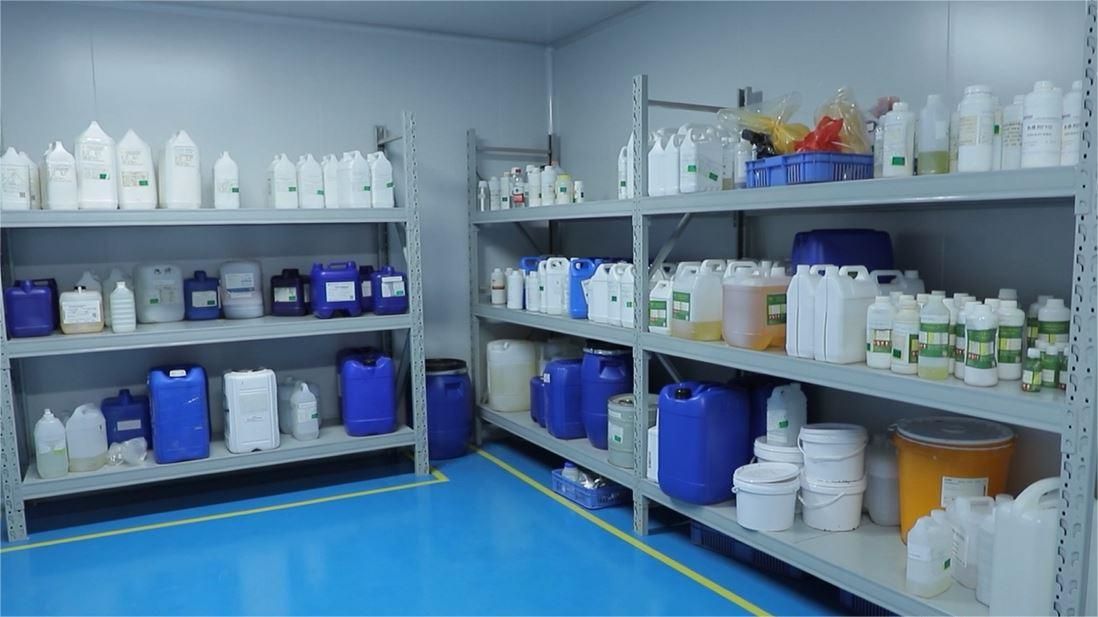
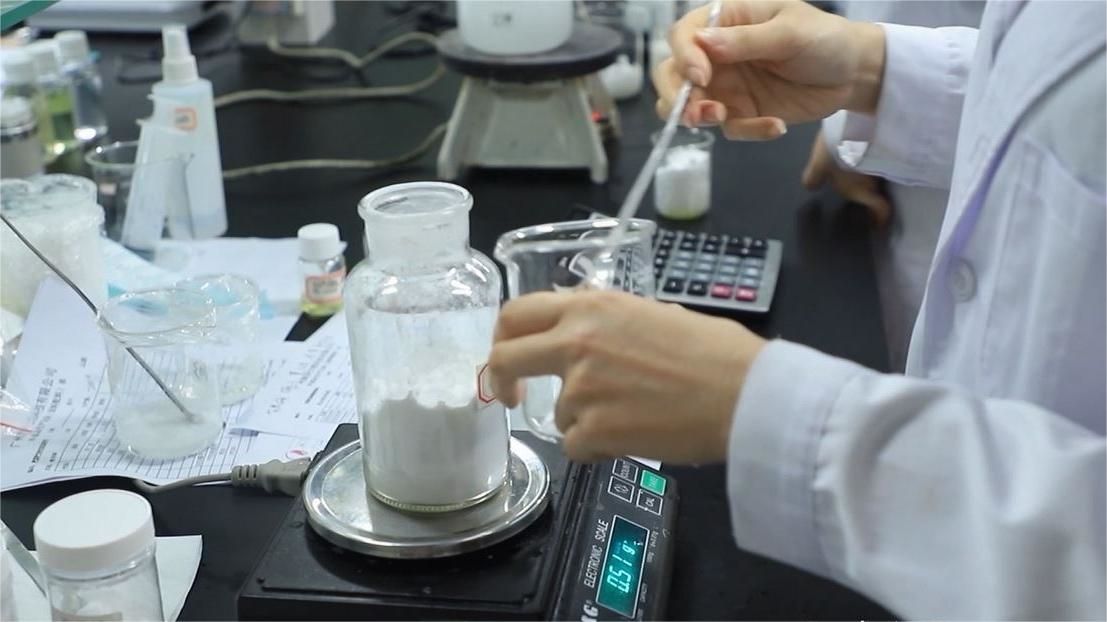
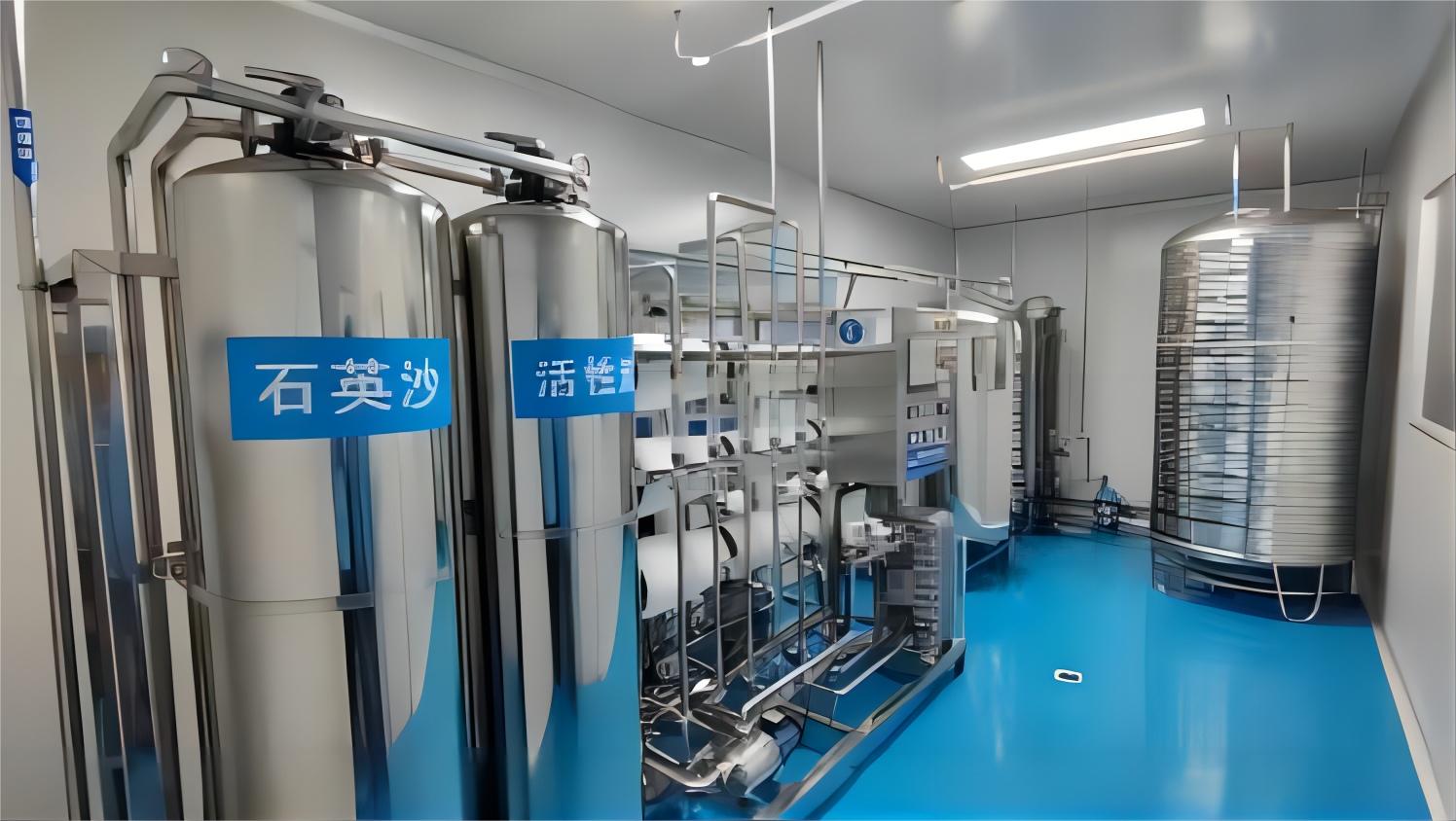
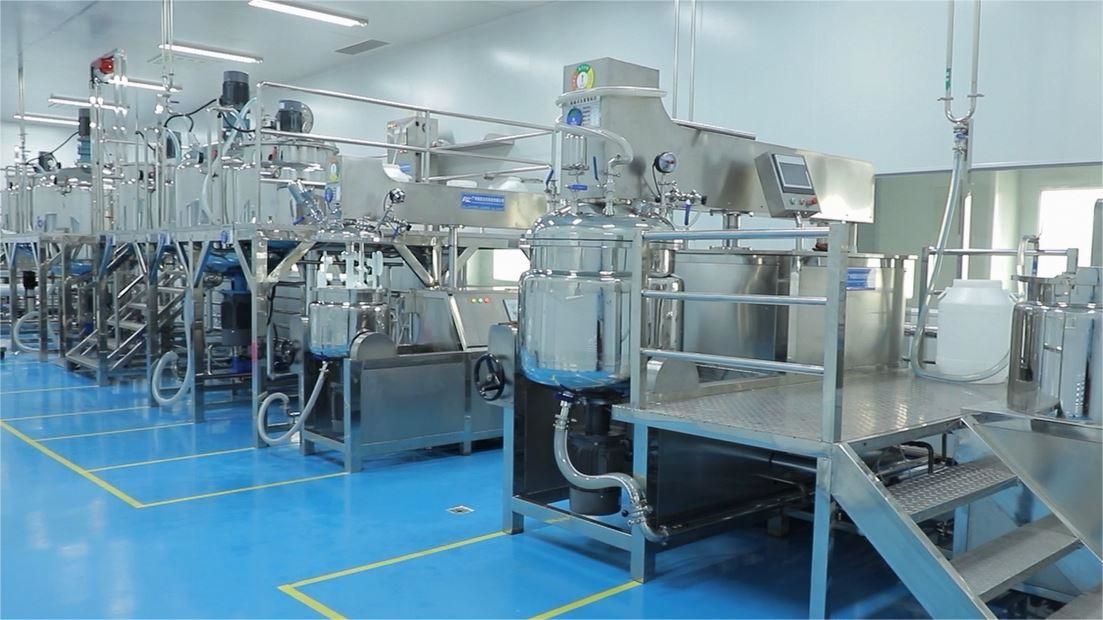
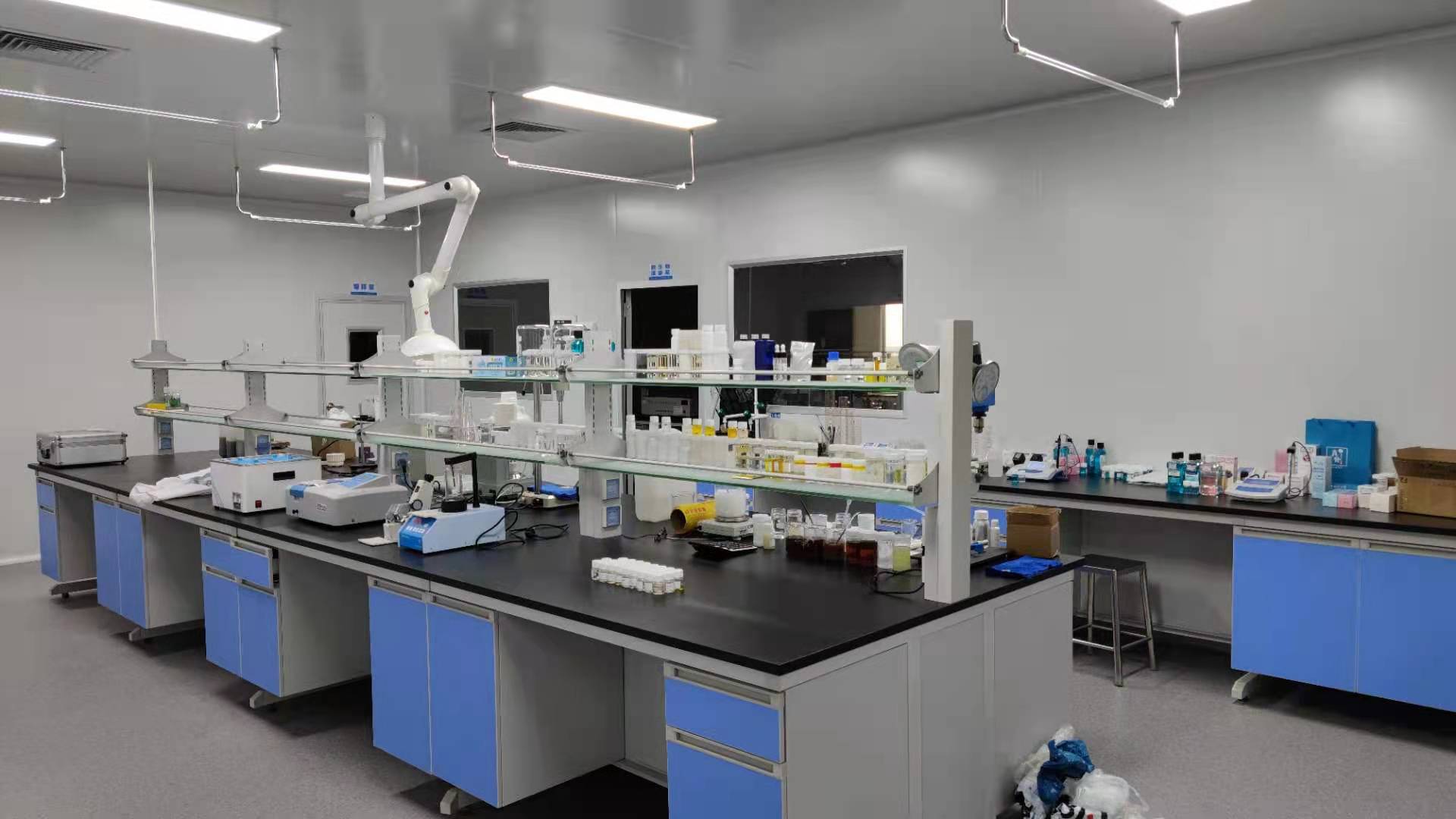
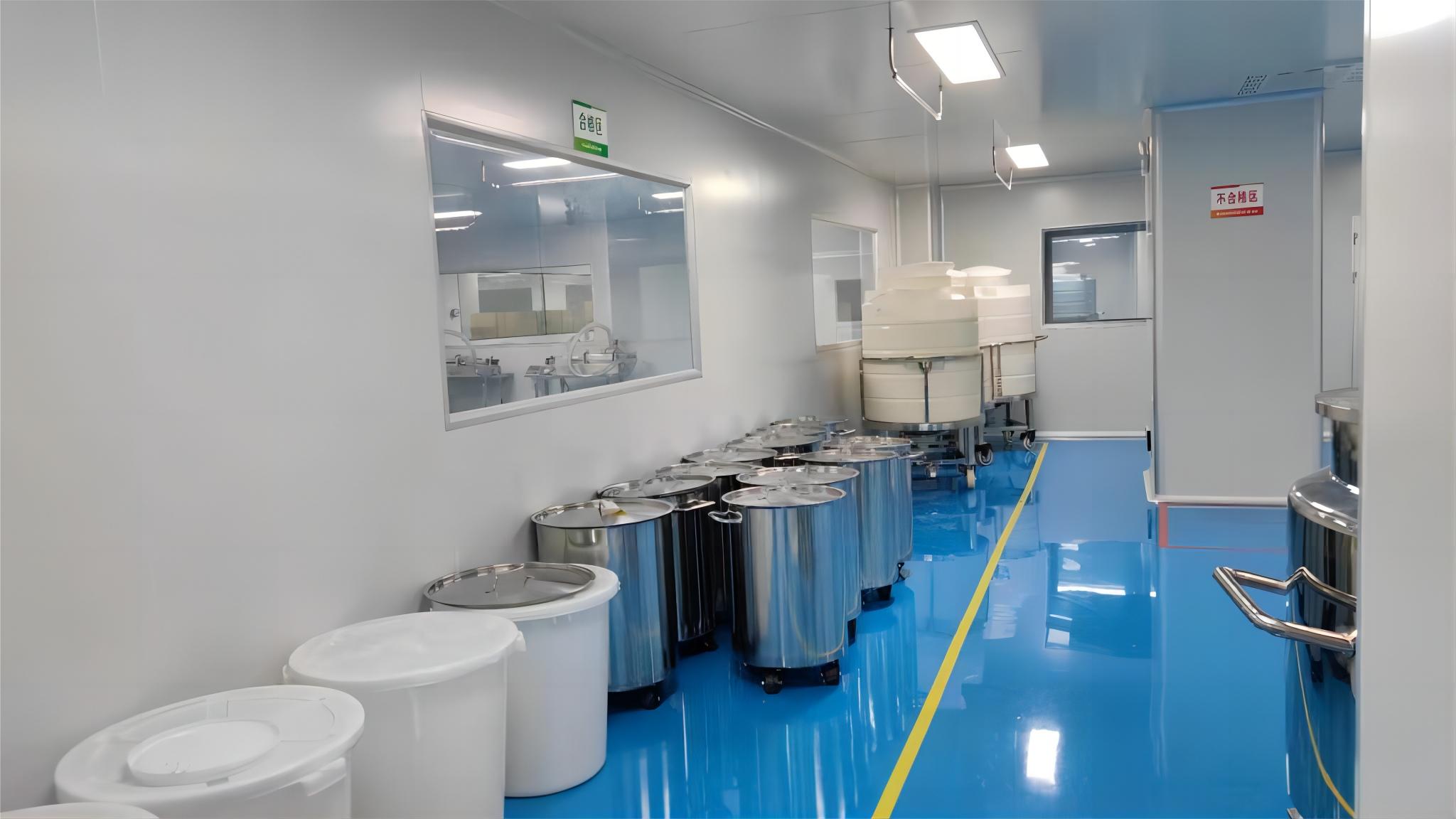
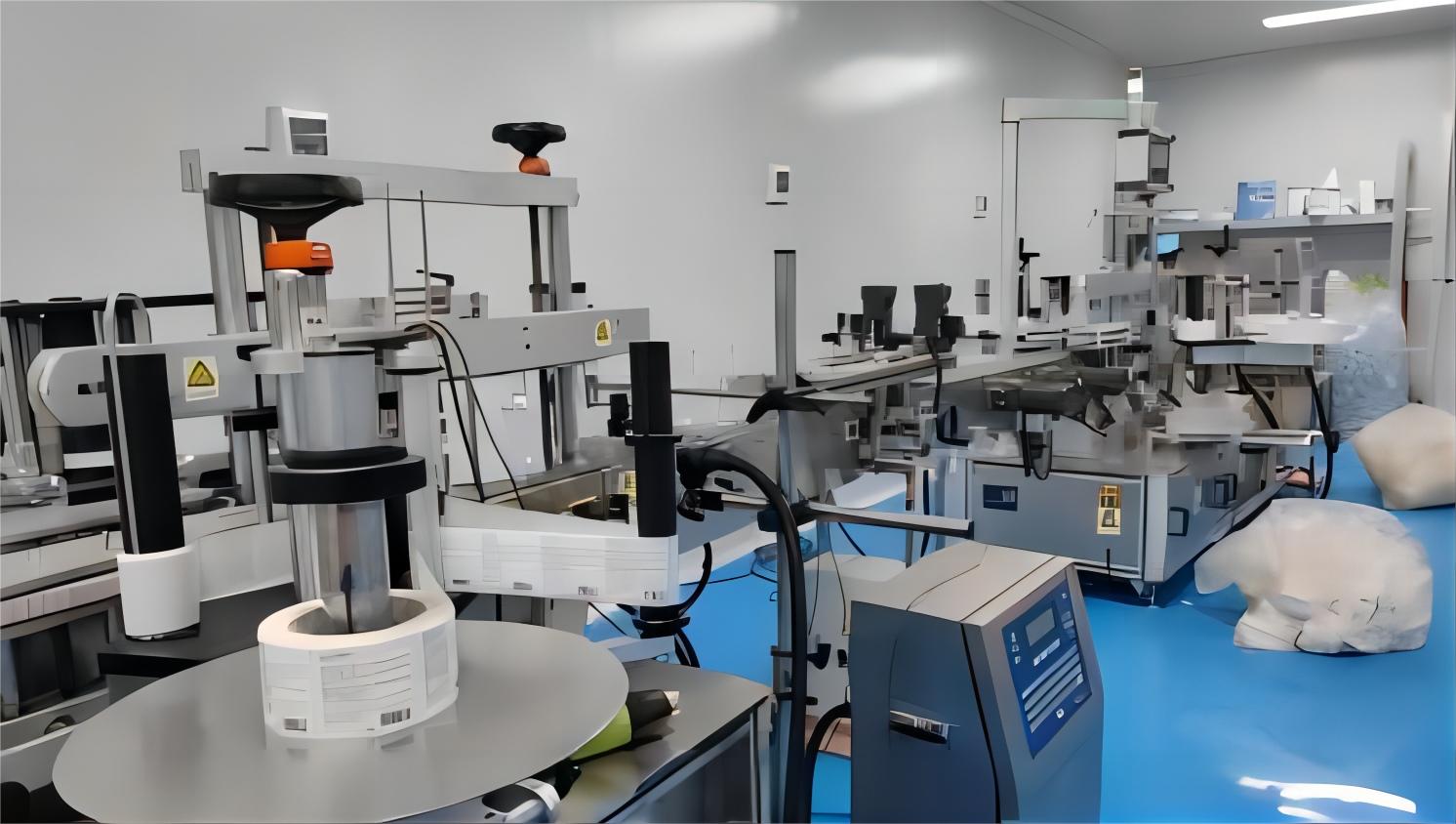
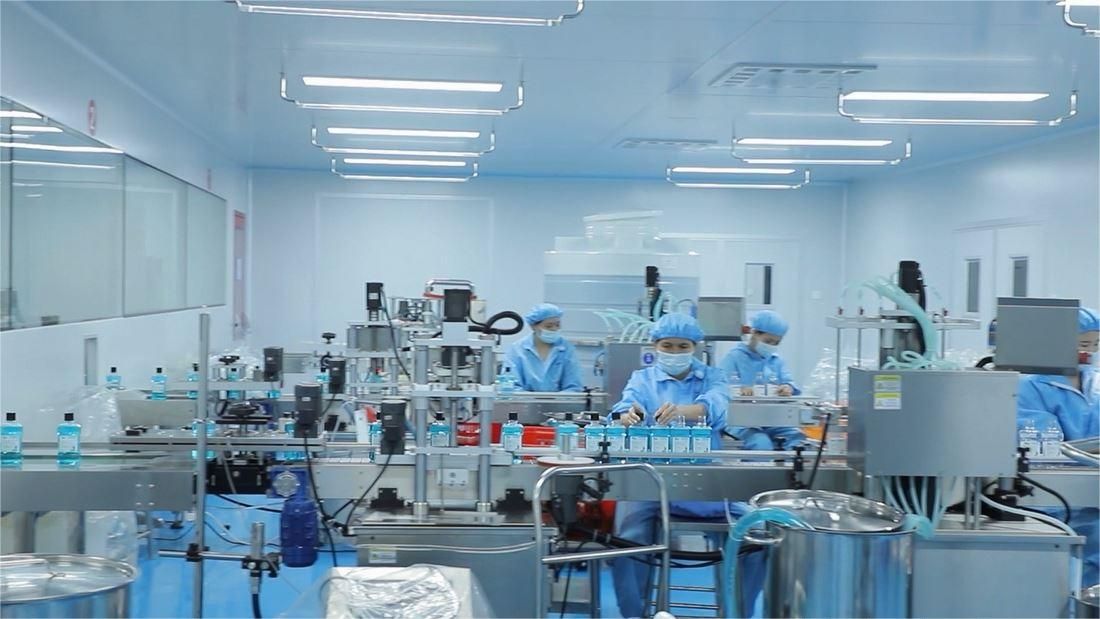
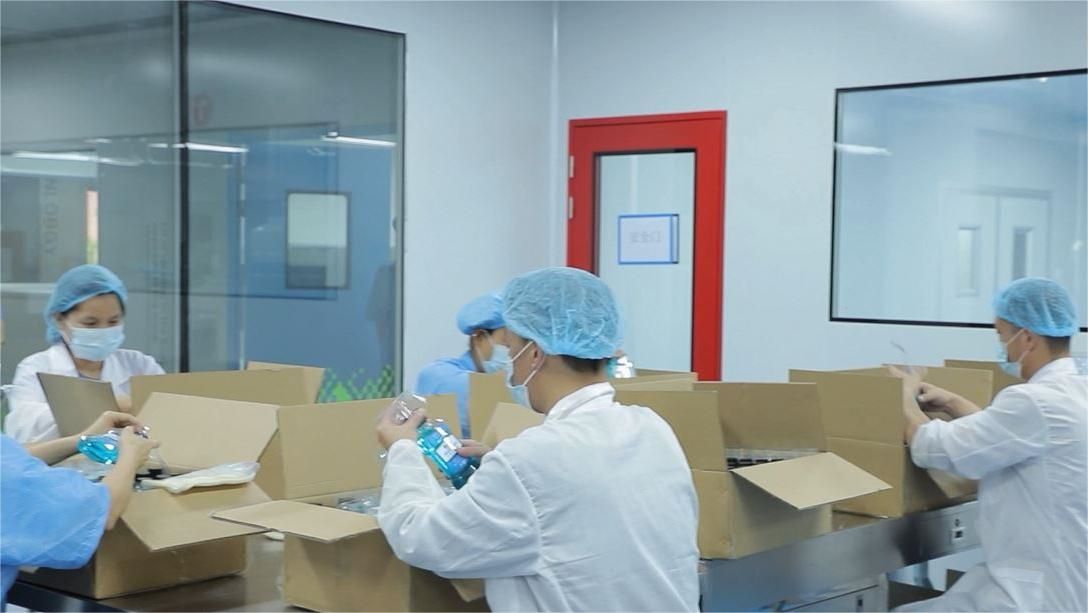
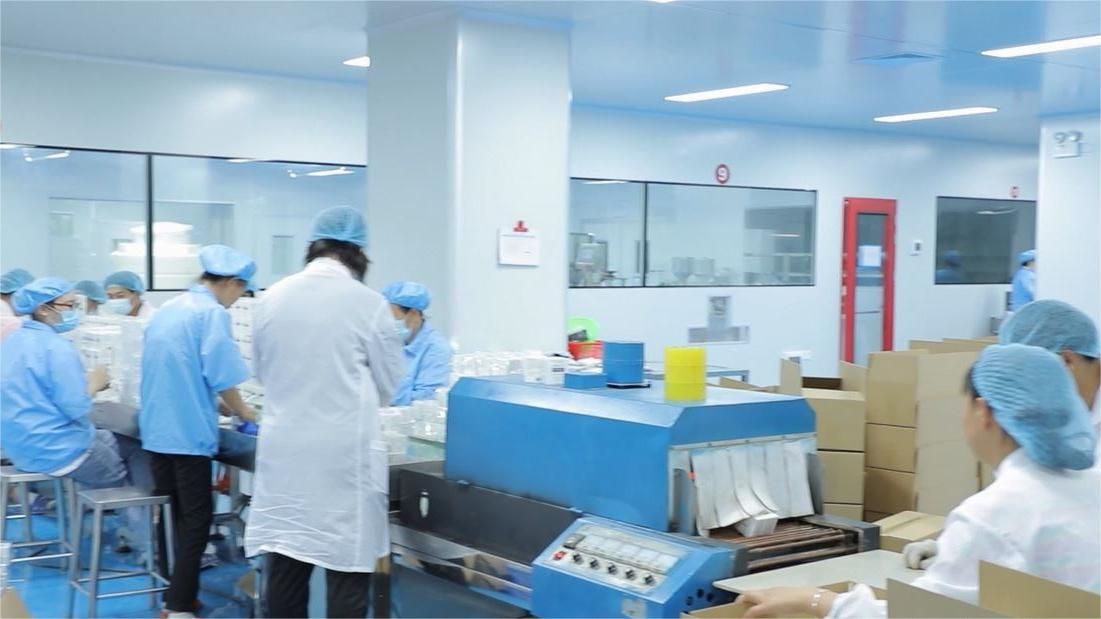
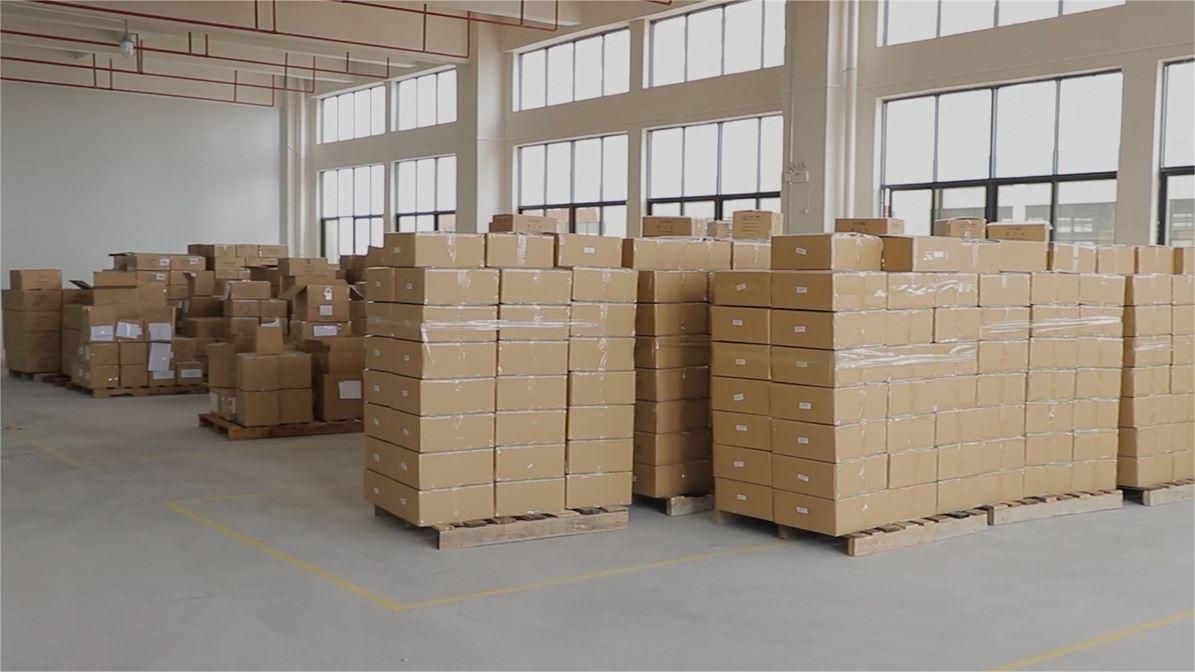
11-Stage Production & Quality Control Pipeline
From raw materials testing to packed production, view our state-of-the-art GMPc and ISO 22716 certified processes.
Process Traceability
Each phase is governed by strict Standard Operating Procedures (SOPs) to ensure zero batch-to-batch variation, microbiological purity, and chemical safety.
Technological Innovations in Cream Foundation Manufacturing
Creating a high-performing cream foundation requires resolving the fundamental tension between coverage and weight. Traditional high-coverage formulas often feel suffocating, leading to low consumer retention. Modern cream foundation manufacturing incorporates advanced physics and chemical engineering to create weightless emulsions with high pigment loads.
1. High-Shear Vacuum Emulsification Systems
Our factory utilizes advanced vacuum emulsifiers where liquid phases (aqueous and oil-based) are homogenized under exact negative pressure. This process reduces the droplet size of the internal phase to the sub-micron range, producing an exceptionally stable emulsion. Sub-micron droplets prevent phase separation, resulting in a smooth cream texture that glides effortlessly onto the skin.
2. Adaptive Pigment Treatment & Color Preservation
One major issue with cream foundations is color oxidation—when the foundation turns orange or darkens after interacting with skin sebum and air. We prevent this by coating our iron oxide and titanium dioxide pigments with hydrophobic silanes or amino acids. This barrier prevents moisture and sebum from reacting with the pigments, ensuring the shade remains true to color from application until removal.
3. Advanced Hydration Matrices
Rather than using standard mineral oil bases, we implement structured lipid networks using plant-derived squalane, caprylic/capric triglycerides, and customized polyglycerol esters. These natural lipids mimic the skin's sebum barrier, reducing transepidermal water loss (TEWL) while keeping the texture light, non-greasy, and non-comedogenic.
4. Sun Protection Factor (SPF) Engineering
Combining broad-spectrum UV filters within a cream foundation emulsion requires precise formulation balance. Our R&D team disperses physical blockers (Non-Nano Zinc Oxide and Titanium Dioxide) within the oil phase, preventing clumping and white cast. This allows us to achieve SPF ratings of SPF 15, 30, and even 50+ in custom OEM configurations.
Global Regulatory Compliance & Quality Guarantees
Exporting cosmetics globally requires strict adherence to regional chemical and public health regulations. The regulatory landscape changes frequently, with agencies like the European Chemicals Agency (ECHA) and the United States FDA introducing stricter guidelines for trace contaminants, allergen listings, and labeling transparency.
At Shenzhen TPL Beauty, we provide comprehensive regulatory support to simplify your product launch in any international market.
- United States: All formulations are designed to meet FDA guidelines and the Modernization of Cosmetics Regulation Act (MoCRA), including facility registrations and ingredient listing requirements.
- European Union: Fully compliant with EU Cosmetic Regulation (EC) No 1223/2009. We assist with Product Information File (PIF) generation, safety assessments, and CPNP notification.
- California Proposition 65: We formulate without any ingredients on the Prop 65 warning list, including heavy metals, certain phthalates, and formaldehyde-releasing preservatives.
- REACH Compliance: All raw materials imported or used in production comply with REACH registration requirements for chemical safety.
Verifiable Quality Standards
Our factory quality assurance protocols include:
- Microbiological Screening: Every batch is tested for Aerobic Plate Count, Yeast, and Mold to confirm microbiological purity.
- Stability Under Stress: Formulations undergo centrifugation, high-speed shear stress, and freeze-thaw cycles (-20°C to 45°C) to guarantee a long shelf-life.
- Heavy Metal Trace Analysis: Utilizing ICP-MS technology to ensure trace impurities remain far below international limits.
- Packaging Compatibility Testing: Testing formulas with your selected packaging to prevent stress cracking, discoloration, or chemical leaching.
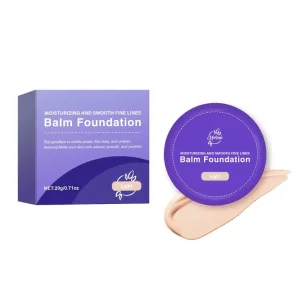
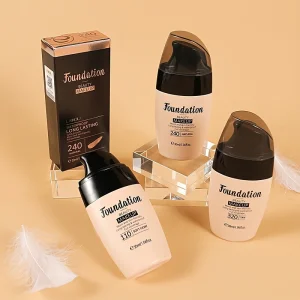
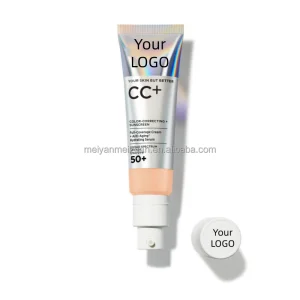
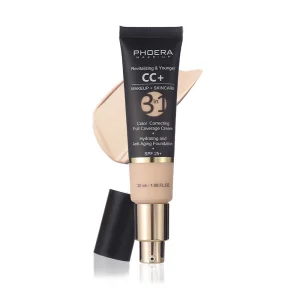
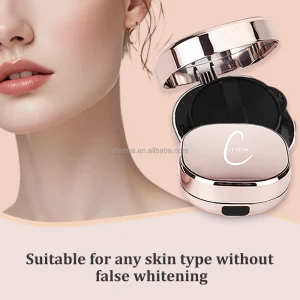
Custom Formulation Catalog
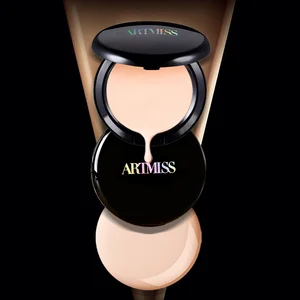
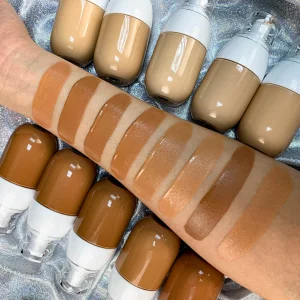
Explore more advanced formulations featuring lightweight textures, high coverage, anti-aging, and skin-tone matching technologies.
Technological Roadmap: The Next Era of Complexion Formulation
Looking forward, the cream foundation market is moving beyond traditional coverage. Brands that embrace emerging technologies will lead the next decade of beauty. We are currently developing and testing several key innovations for our partners.
1. Bio-Compatible and Biomimetic Emulsifiers
Future formulas will rely on emulsifiers that mimic the structure of the skin's cell membranes, such as hydrogenated lecithin and polyglycerol-based surfactants. These emulsifiers create an ultra-fine network that helps active ingredients penetrate the skin, ensuring the foundation feels weightless and acts like a second skin.
2. Advanced Sustainable & Refillable Formulations
As environmental regulations tighten globally, packaging compatibility is shifting toward refillable jars and biodegradable materials. Formulating cream foundations that maintain their texture and stability in sustainable, plastic-free packaging is a key focus for our R&D team.
3. Micro-encapsulated Active Ingredients
To keep sensitive active ingredients like Vitamin C, Retinol, and Peptide complexes stable in a cream foundation, we use micro-encapsulation. These actives are suspended in microscopic shells that break open upon application, delivering fresh, potent skincare benefits directly to the skin.
Frequently Asked Questions (B2B FAQ)
Answers to common technical, logistics, and compliance questions from brand owners and purchasing managers.