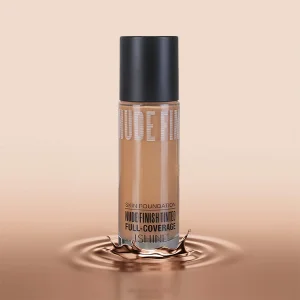
Premium Liquid Foundation Selections for Nigeria
Designed for oil control, high humidity resistance, and perfect skin-tone matching for the West African demographic.
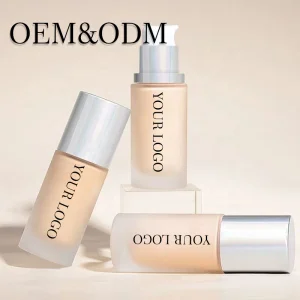
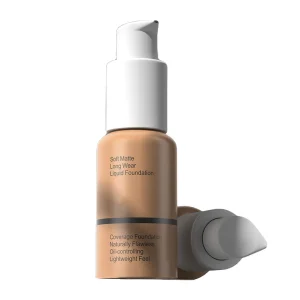
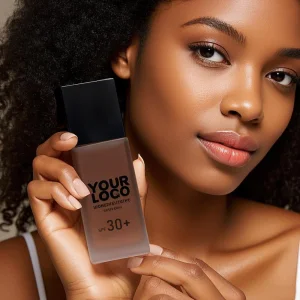
1. The Nigerian Cosmetics Market Landscape & User Intent Mining
Nigeria's beauty and personal care market is currently undergoing a massive structural transformation. As the most populous nation in Africa, boasting an expanding middle class and a youthful demographic (with a median age of 18.1 years), Nigeria represents the primary growth engine for cosmetics in Sub-Saharan Africa. Market research indicates that the demand for face makeup, particularly liquid foundations, is growing at a CAGR of 8.4%. Consumers in urban centers like Lagos, Abuja, Port Harcourt, and Kano are increasingly moving away from cheap, non-regulated products toward premium, high-performance, and dermatologically safe cosmetics.
Through advanced SEO intent mining, we analyze consumer search queries and social media conversations across Nigerian cosmetics distribution hubs (such as Balogun Market and Trade Fair Complex in Lagos). The search behavior reveals a critical information gap: consumers and local brand owners are searching for "sweatproof liquid foundation for oily skin", "shade-inclusive wholesale foundation", and "safe cosmetics with NAFDAC registration support". Typical mass-produced Western liquid foundations are formulated for cooler, drier climates and often fail under the Nigerian sun. This represents a substantial opportunity for private label cosmetic brands that can offer specialized formulations designed specifically for local skin conditions.
Key Market Insight: In Nigeria, the hot and highly humid environment accelerates sebum production. Liquid foundations must be formulated with advanced oil-absorbing technology to prevent shifting, oxidation, and cakiness over 12+ hours of wear.
2. Technical Formulation Science for Sub-Saharan Climates
Formulating liquid foundation for the Nigerian market requires a deep understanding of skin physiology. Melanin-rich skin has unique structural characteristics: it typically contains larger sebaceous glands that produce more lipids. In tropical regions, high temperatures increase perspiration, which can break down standard oil-in-water (O/W) emulsions. Therefore, our R&D laboratory utilizes a specialized Water-in-Silicone (W/Si) or Water-in-Oil (W/O) emulsification technique.
This formulation technology ensures that the external phase of the liquid foundation is hydrophobic (water-resistant). We incorporate advanced volatile silicones (such as Cyclopentasiloxane) and polymeric film formers (like Trimethylsiloxysilicate). Upon application, the volatile solvents evaporate, leaving behind a flexible, breathable, and water-resistant micro-net on the skin. This keeps the pigment particles bound to the skin, preventing transfer and smudging caused by sweat or humidity.
Furthermore, we address the challenge of oil control by integrating oil-absorbing micro-powders like spherical silica, nylon-12, and clean, high-grade talc alternatives. These ingredients selectively absorb excess sebum without stripping the skin of its natural hydration, delivering a sophisticated matte finish. To protect the skin from photoaging under intense tropical UV rays, our formulations are boosted with micro-fine titanium dioxide and zinc oxide, providing broad-spectrum SPF protection without leaving a chalky white cast on dark skin tones.
3. Global Beauty Shifts: Shade Inclusivity & Fitzpatrick Types V & VI
Historically, global cosmetics manufacturing concentrated on lighter skin spectrums, offering limited options for deeper skin tones. As a global cosmetics manufacturer, Shenzhen TPL Beauty has been at the forefront of the inclusivity movement. In Nigeria, the population predominantly falls under Fitzpatrick Skin Phototypes V and VI. Formulating pigments for these types is not simply a matter of adding black or red iron oxides to a light base—doing so results in a muddy, grey, or unnatural appearance.
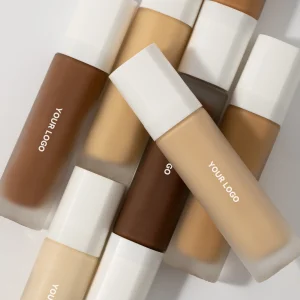
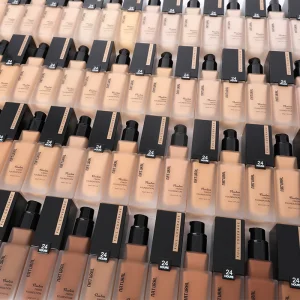
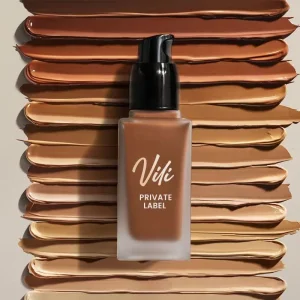
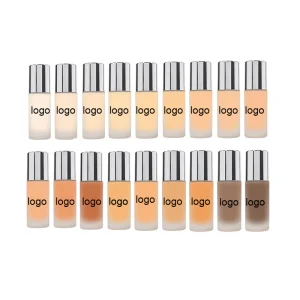
True shade inclusivity requires balancing three distinct color undertones: red, yellow, and blue. We use high-purity cosmetic pigments that undergo surface treatment with triethoxycaprylylsilane. This modification improves dispersion within the silicone matrix, allowing for highly saturated colors that remain true to shade and do not oxidize (darken or turn orange) when mixed with skin oils. We offer custom shade-matching libraries comprising over 154 distinct shades, allowing local brands to provide precise matches for the rich and diverse tones of the West African market.
4. Supply Chain Resilience & Cost-Efficiency of China's Cosmetics Manufacturing Hubs
Choosing a manufacturing partner in China, particularly in the Shenzhen cosmetics industrial cluster, offers substantial strategic advantages. The Pearl River Delta is the world’s most integrated supply chain ecosystem for color cosmetics. Shenzhen TPL Beauty Co., Ltd. leverages this ecosystem to source high-grade raw materials, design customized packaging, and conduct advanced laboratory testing—all within a highly efficient geographic radius.
For Nigerian beauty entrepreneurs and established retailers, this translates to reduced production times, lower cost of goods sold (COGS), and rapid scalability. While local manufacturing in West Africa faces challenges such as unstable power grids, high costs for raw material imports, and limited packaging options, our facility runs 24/7 automated emulsifying and filling lines. This efficiency allows us to offer competitive pricing, helping Nigerian brands maintain healthy retail margins while funding local marketing and distribution campaigns.
Our Advanced Manufacturing Process & Quality Standards
An inside look at Shenzhen TPL Beauty’s state-of-the-art facility operating under GMPc and ISO 22716 guidelines.
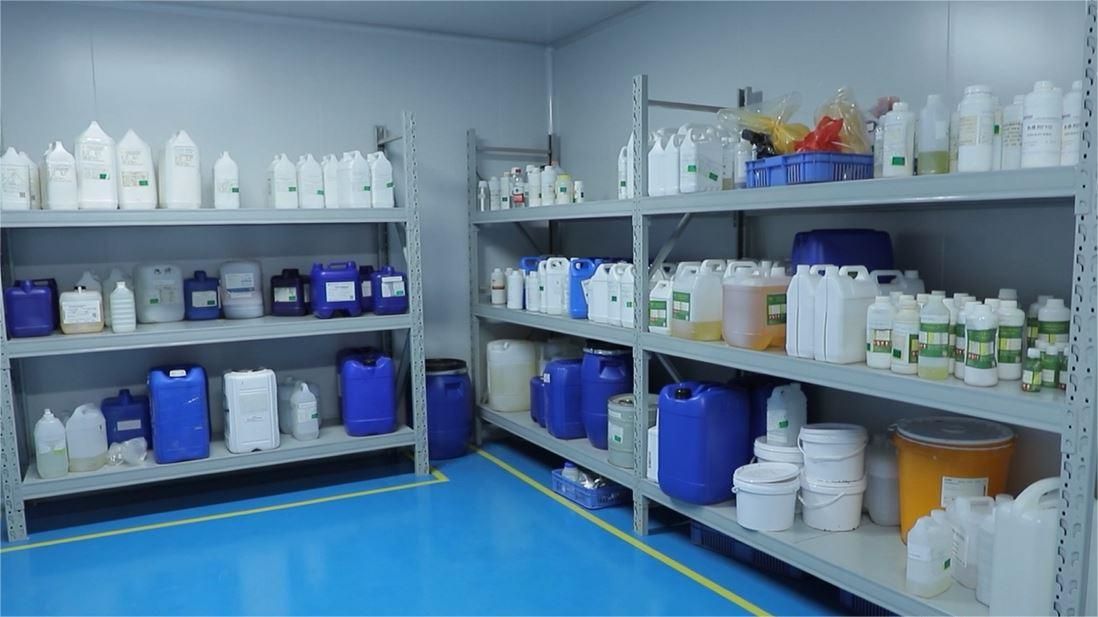
1. Raw Material
We source premium ingredients from globally recognized suppliers to guarantee formulation safety and stability.
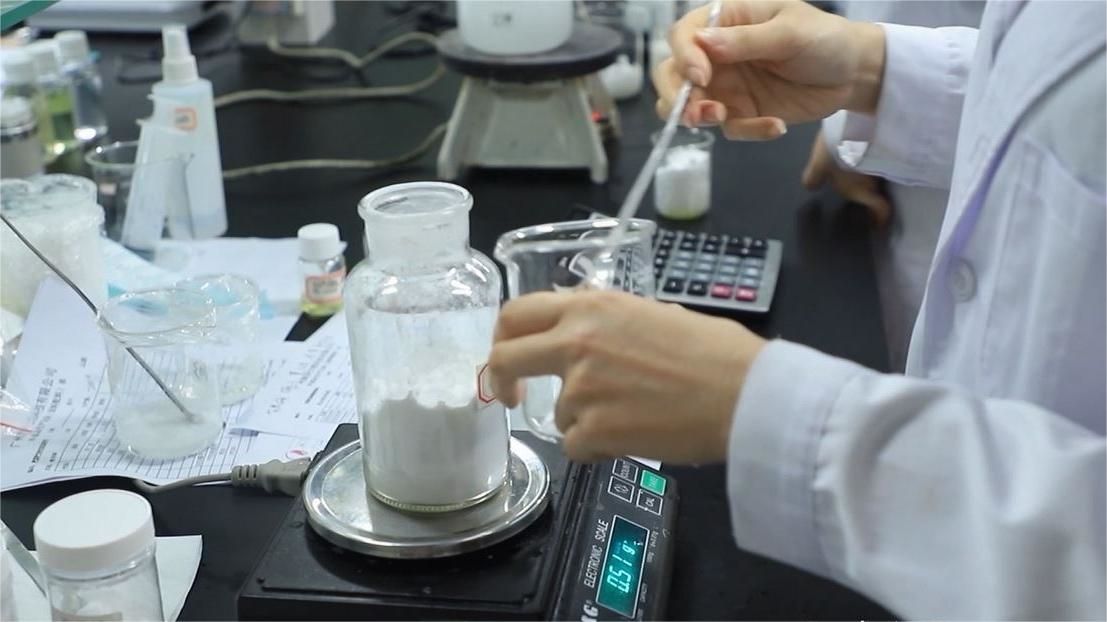
2. Weighing Ingredients
Highly precise micro-weighing processes ensure formulation consistency across batches.
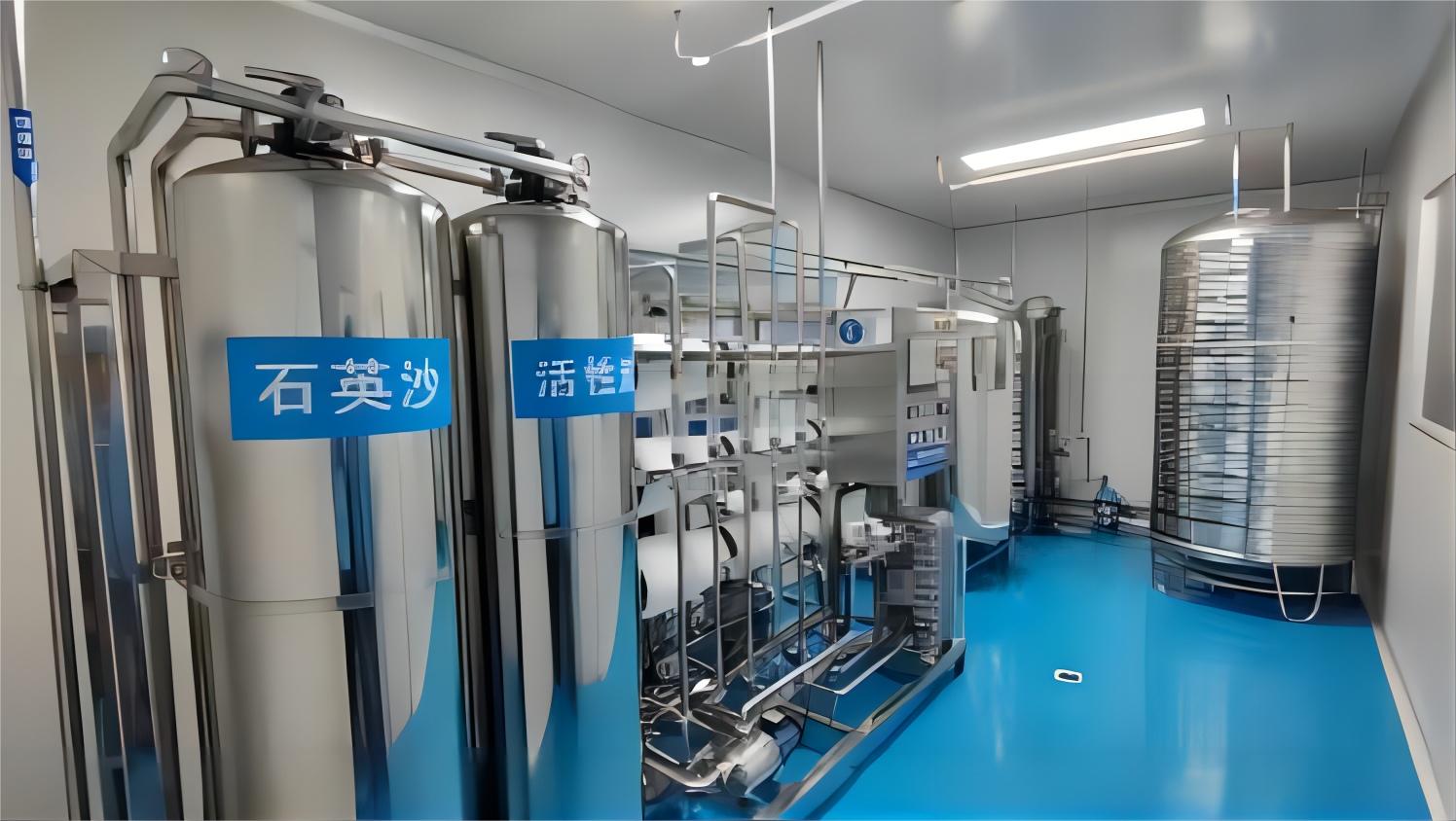
3. Pure Water Generation
EDI multi-stage water purification ensures our water phase is free from microbial contamination.
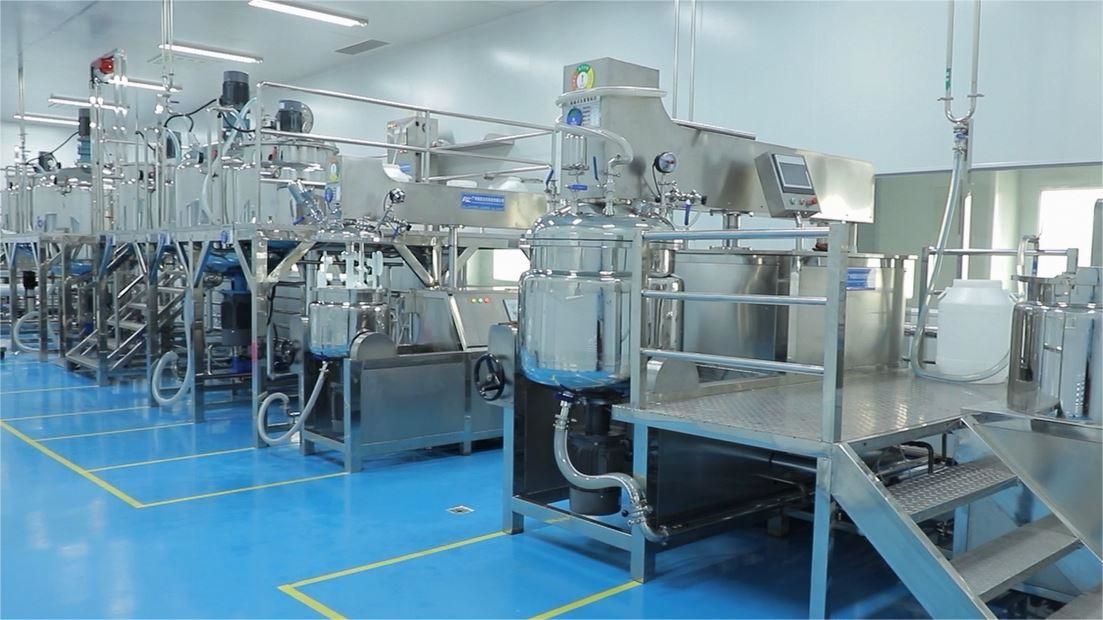
4. Emulsifying
High-shear vacuum homogenizers create stable, ultra-fine oil-in-water or water-in-silicone emulsions.
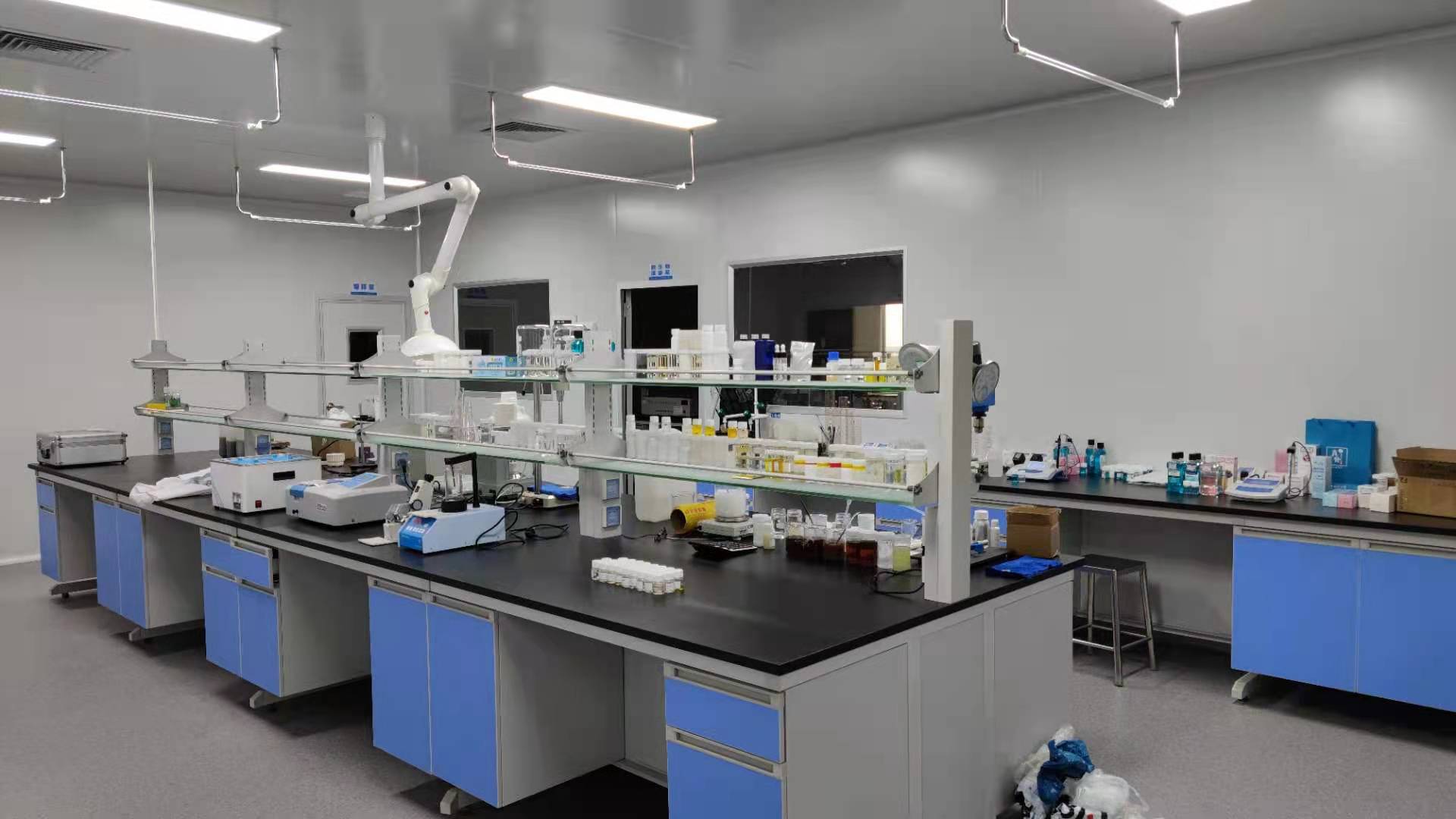
5. Testing & Quality Control
Batch tests cover viscosity, pH, microbial stability, and color accuracy under standard illuminants.
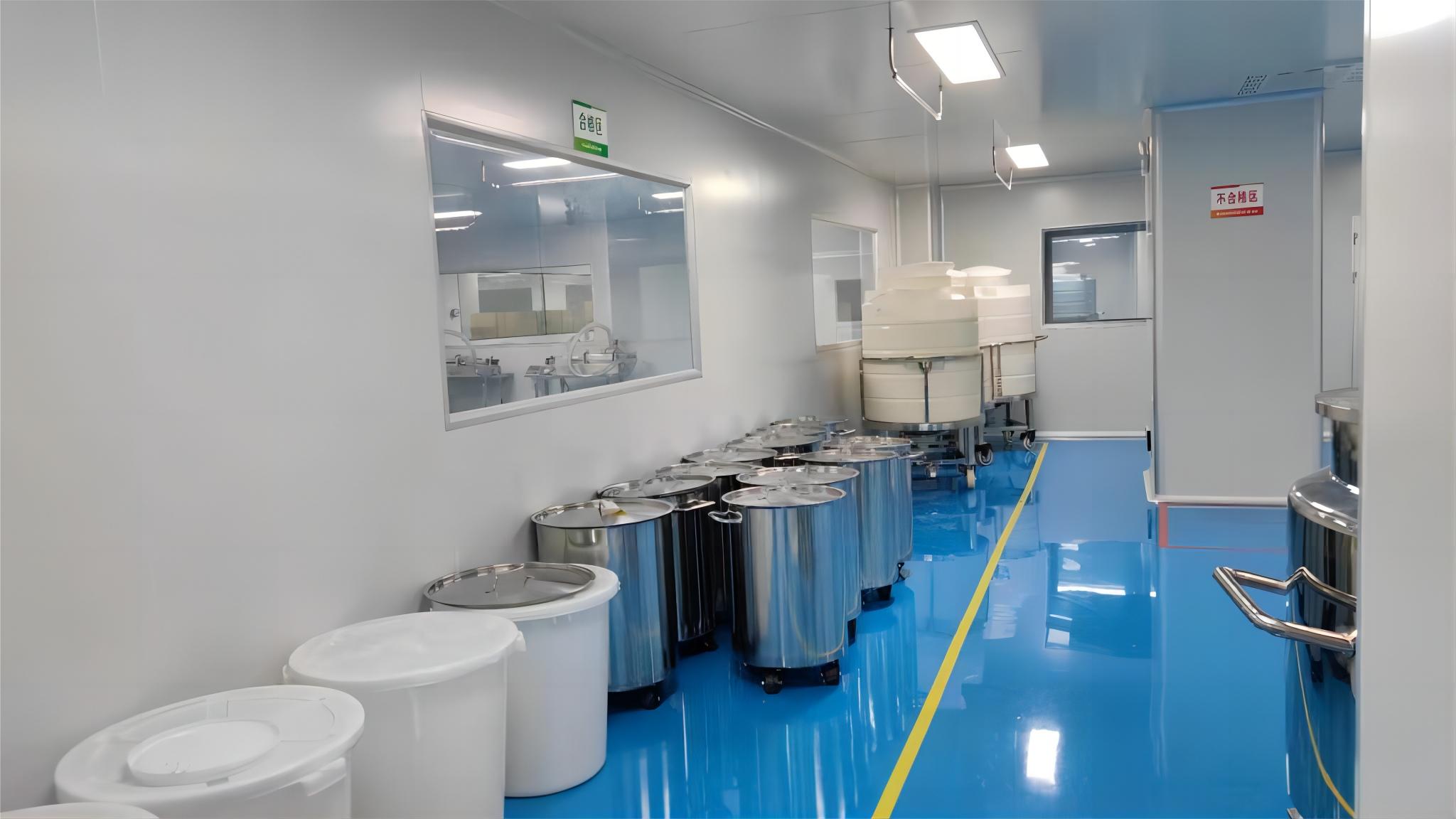
6. Standing
Formulations rest under controlled temperatures to ensure texture settling and stability prior to filling.
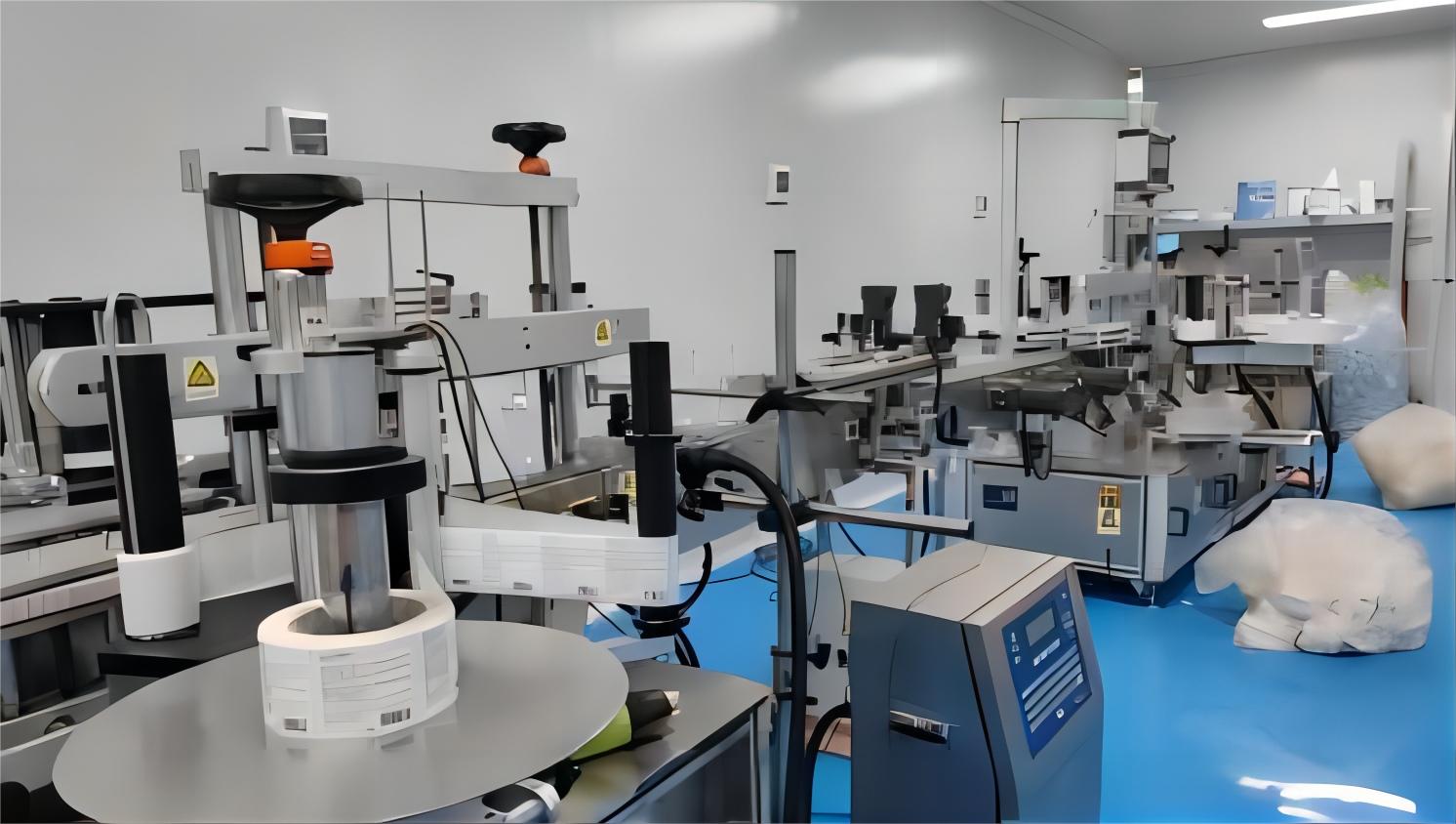
7. Coding
Batch tracking codes and expiration details are laser-printed onto packaging materials for transparency.
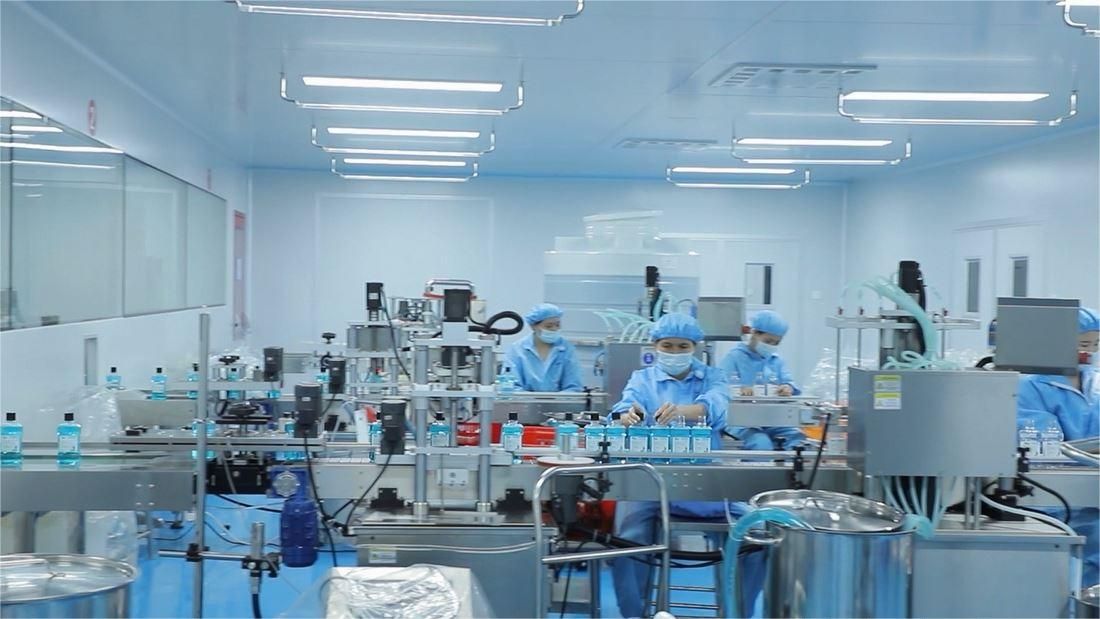
8. Emulsion Filling
Automated, sterile filling lines dispense liquid foundation precisely into bottles, maintaining clean-room standards.
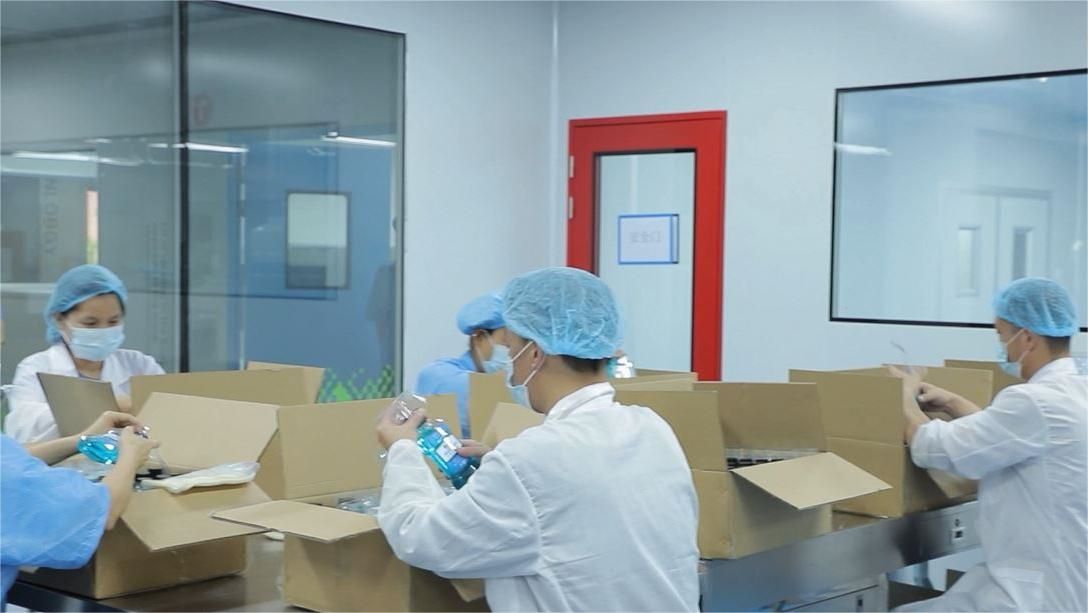
9. Inspecting
Visual and mechanical inspections check bottle closures, seals, and batch packaging alignment.
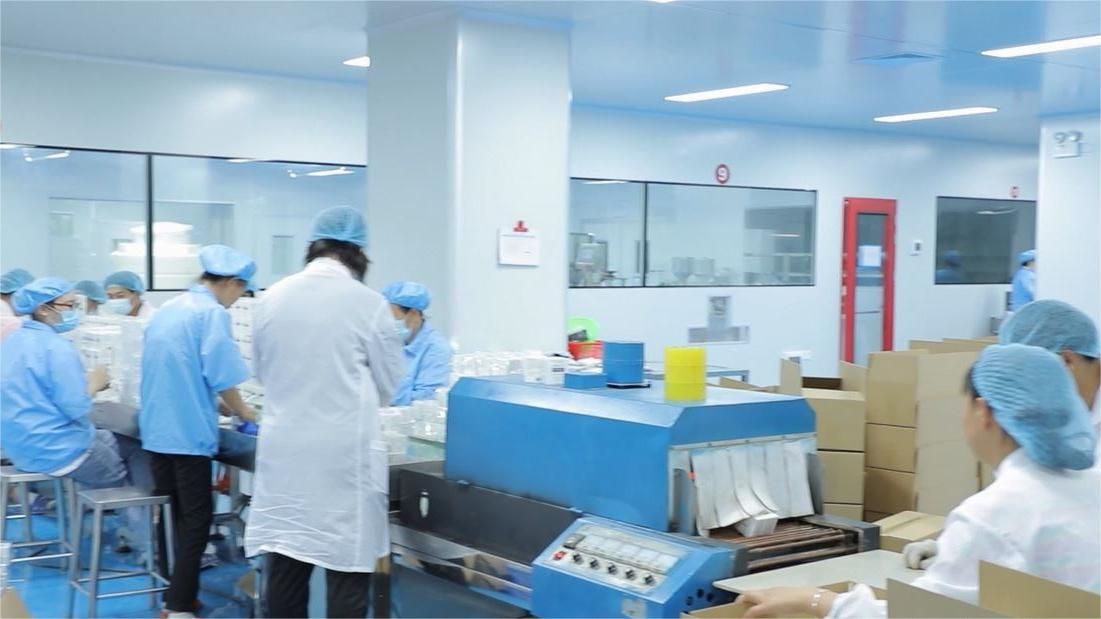
10. Packing
Finished goods are packed into inner containers and protective boxes to withstand long-distance transit.
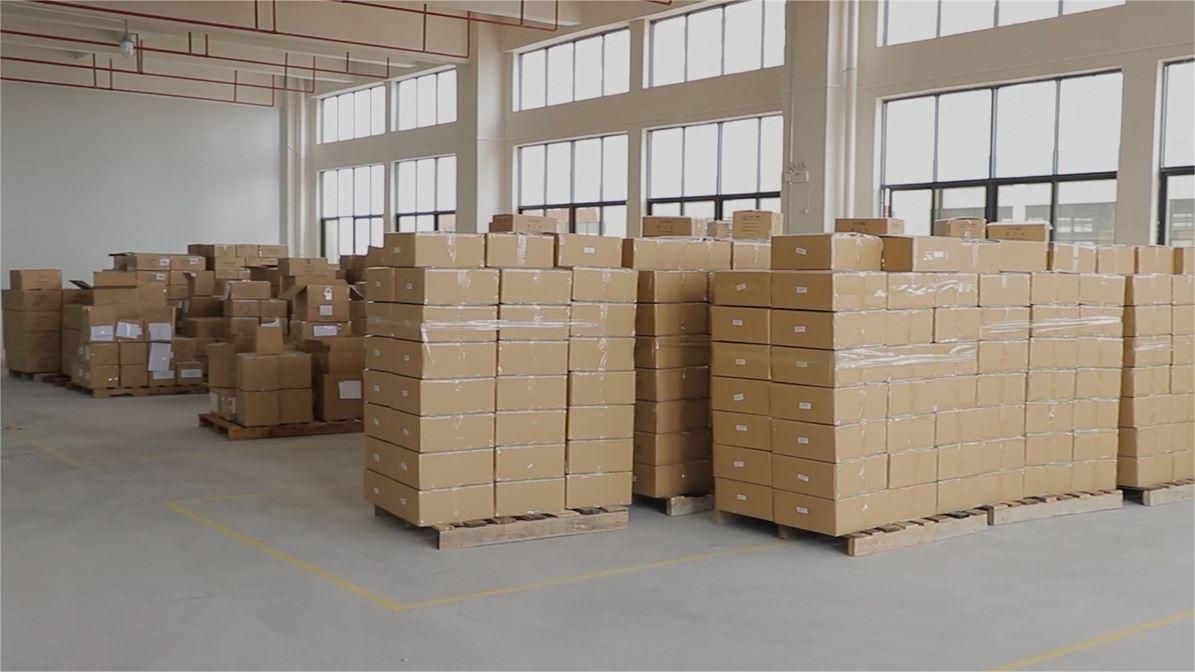
11. Packed Production
Finished batches are palletized and stored in temperature-controlled warehouses, ready for global container shipping.
About Shenzhen TPL Beauty Co., Ltd.
Founded in 2009, Shenzhen TPL Beauty Co., Ltd. is a professional full-service private label cosmetics manufacturer. We specialize in the research, development, production, and customization of high-quality color cosmetic products for global beauty brands, distributors, retailers, and e-commerce businesses.
Our product portfolio covers a wide range of makeup categories, including eyeshadow palettes, lipsticks, lip glosses, liquid lipsticks, foundations, concealers, blushes, highlighters, bronzers, mascaras, eyeliners, eyebrow products, setting powders, and other innovative beauty solutions. From concept development and formula design to packaging customization and mass production, we provide comprehensive OEM/ODM services tailored to meet diverse market demands.
With extensive experience serving customers across North America, Europe, the Middle East, Southeast Asia, and other international markets, we have a deep understanding of global cosmetic regulations and quality standards. All formulations can comply with relevant international requirements, including EU Cosmetic Regulations, REACH, FDA guidelines, and California Proposition 65. We provide complete documentation support, including product testing reports, safety assessments, MSDS, ingredient documentation, and regulatory filing assistance.
Our manufacturing facility operates under strict quality management systems and is certified with GMPc and ISO 22716 standards. Every stage of production, from raw material sourcing to finished product inspection, is carefully monitored to ensure consistent quality, safety, and performance. TPL Beauty is committed to developing clean, safe, and trend-driven cosmetic products.
Regulatory Compliance & NAFDAC Support
In Nigeria, the National Agency for Food and Drug Administration and Control (NAFDAC) regulates the importation, distribution, and sale of cosmetics. Importing unregistered cosmetic products poses significant business risk, including port delays, seizures, and fines. Under E-E-A-T principles, we prioritize regulatory transparency and compliance.
Shenzhen TPL Beauty supports our partners through the entire NAFDAC registration process. We provide:
• Certificate of Analysis (CoA) for every production batch.
• Material Safety Data Sheets (MSDS) detailing ingredients and safety profiles.
• Certificates of Free Sale (CFS) issued by relevant authorities.
• GMPc / ISO 22716 certificates to verify factory production standards.
Having exported cosmetics globally for over a decade, we ensure our formulations comply with international heavy metal limits and microbiological standards, facilitating a smooth registration process with NAFDAC.
Future Outlook & Technological Roadmap
The beauty industry is shifting toward smart, skin-compatible products. Our future R&D roadmap focuses on two main developments:
1. Bio-Compatible Skin-Care Infused Makeup: Consumers expect foundations to offer skincare benefits. We are developing formulations that incorporate humectants (like hyaluronic acid), soothing botanicals (such as Centella Asiatica), and niacinamide to help balance sebum and refine skin texture over time.
2. AI-Driven Color Customization: Traditional color matching relies on standard charts. We are implementing AI shade-matching systems that analyze skin undertone wavelengths to generate custom pigments matching specific regional demographics, minimizing shade selection errors for end consumers.
Frequently Asked Questions (FAQ)
Answers to common questions from distributors, brand owners, and retailers looking to import liquid foundation to Nigeria.
Our Complete Liquid Foundation Portfolio
Private label and OEM solutions featuring water-resistant, oil-control, and vegan formulas suited for global distribution.