Ghana Premium Complexion Lineup
Engineered specifically for hyper-pigmented skin tones and high-humidity climates in West Africa.
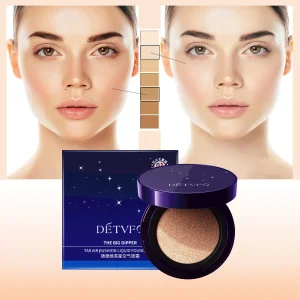
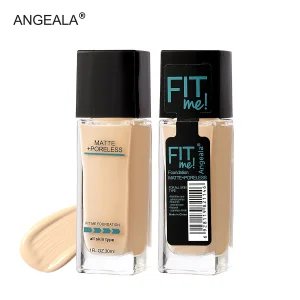
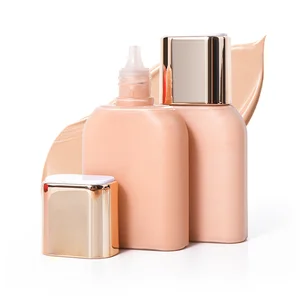
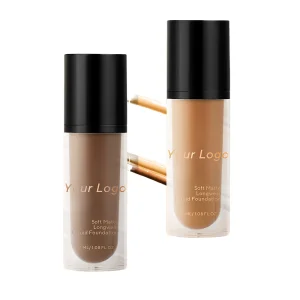
1. The Ghanaian Cosmetics Market: Industrial Demands & Commercial Realities
Ghana’s beauty and personal care industry has witnessed a paradigm shift over the past decade. Driven by rapid urbanization in cities like Accra, Kumasi, and Tamale, alongside the growth of an aspirational middle class, the demand for premium, long-wear complexion products has reached historic highs. However, local brands and distributors face a persistent issue: standard global cosmetic formulations rarely cater to the unique climate conditions of West Africa or the specific pigment profiles of Fitzpatrick Type V and VI skin.
In Ghana, humidity averages between 75% and 95% throughout the year, with daytime temperatures routinely exceeding 32°C (90°F). These factors make standard imported foundations oxidize rapidly, melt, or turn greasy within hours of application. Consequently, there is an urgent industrial demand for Full Coverage, Sweat-proof, and Non-comedogenic Sebum-control Formulations that do not cause flash-back (a white or ashy cast under camera flash).
"For Ghanaian cosmetics brands, the key competitive edge is providing a 'second-skin' finish that resists tropical moisture while precisely matching deep undertones—ranging from warm golden-red to rich dark ebony."
To address this, local retailers and beauty brands are shifting away from off-the-shelf imports and moving toward direct factory partnerships. By working with specialized global OEM/ODM manufacturers like Shenzhen TPL Beauty, Ghanaian entrepreneurs can design tailored formulas, optimize their supply chains, and build domestic brand equity.
2. Macro Industry Solutions: Formulation Chemistry for Melanin-Rich Skin
Developing high-quality, full-coverage foundations for dark skin tones requires extensive pigment-wetting technology and specialized formulation parameters. The typical challenges we solve for the Ghanaian market include:
- Anti-Ashiness & High Chromatic Integrity: Standard formulations use heavy titanium dioxide (white pigment) as a base, which turns grey or violet on dark skin. We utilize surface-treated iron oxides (red, yellow, black) combined with ultramarine blue to match deep warm and cool undertones without relying on high-opacity white bases.
- Sebum-Absorbing Technology: Incorporating porous micro-spherical silica and hydrophobic polymers that selectively absorb excess sebum while leaving the skin's natural moisture barrier intact. This guarantees a transfer-resistant matte finish that lasts up to 24 hours under tropical conditions.
- Non-Flashback SPF Integration: Incorporating physical (zinc oxide) and chemical sunscreen agents wrapped in specialty silanes to prevent light bounce, ensuring flawless photo-readiness during high-profile events, weddings, and studio photography.
- Clean & Non-Comedogenic Bases: Substituting heavy, pore-clogging mineral oils with lightweight ester oils and volatile silicones that evaporate cleanly upon application, preventing breakouts under sweat-heavy conditions.
3. Global Supply Chain Optimization for Accra Importers
Importing cosmetic products into West Africa requires a clear logistical framework. Our collaborative model ensures that Ghanaian importers avoid high warehousing overheads, long customs delays, and quality degradation during maritime transit.
Our supply chain solution covers complete packaging compatibility testing (ensuring plastic containers do not warp or degrade under high temperatures) and efficient shipping options from Shenzhen Port directly to Tema Port or Takoradi Port. By optimizing our bulk production systems, we can offer custom formulations at competitive MOQs, helping local startups enter the market with low capital barriers.
Shenzhen TPL Beauty: Factory Infrastructure & Production Processes
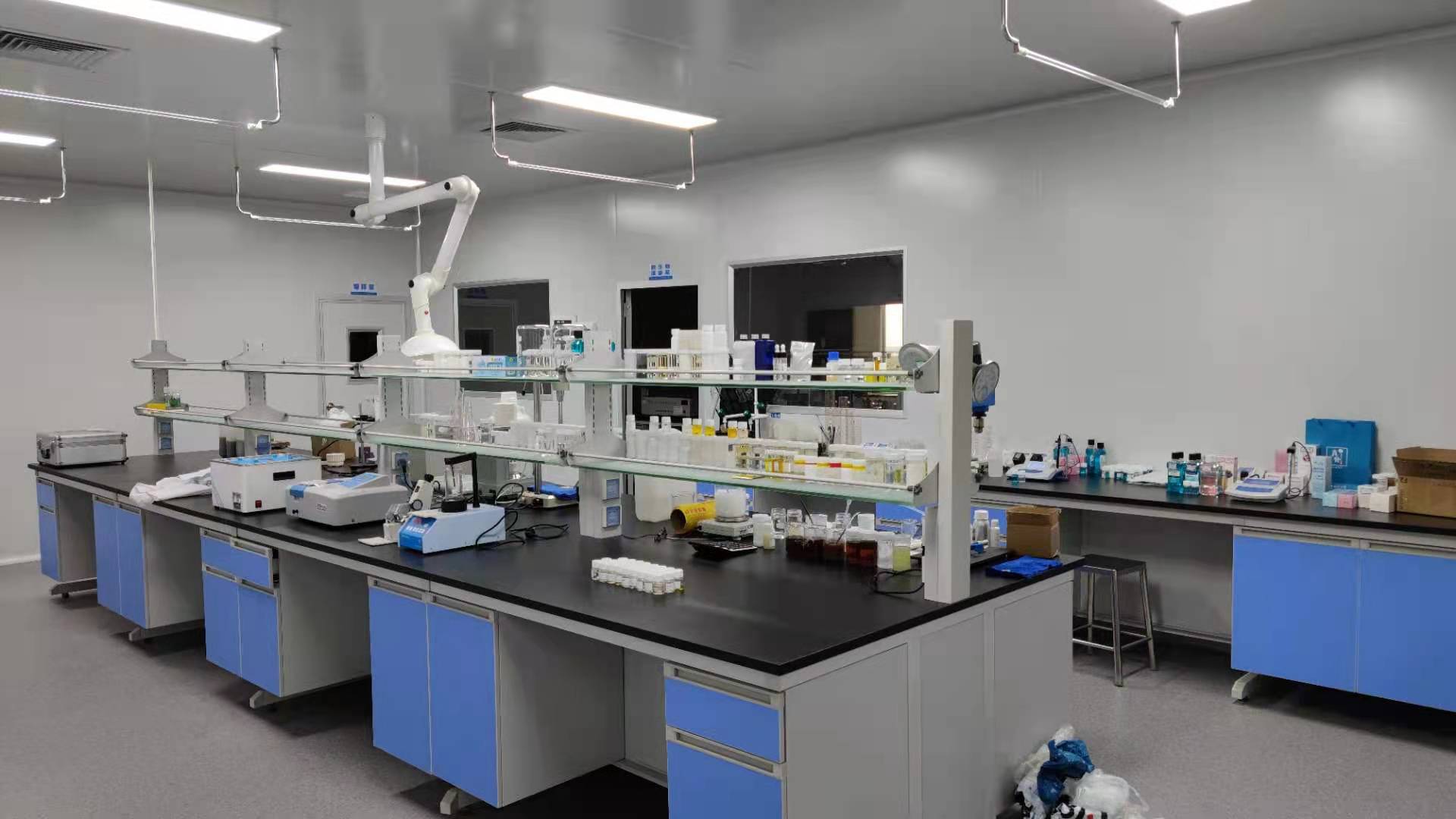
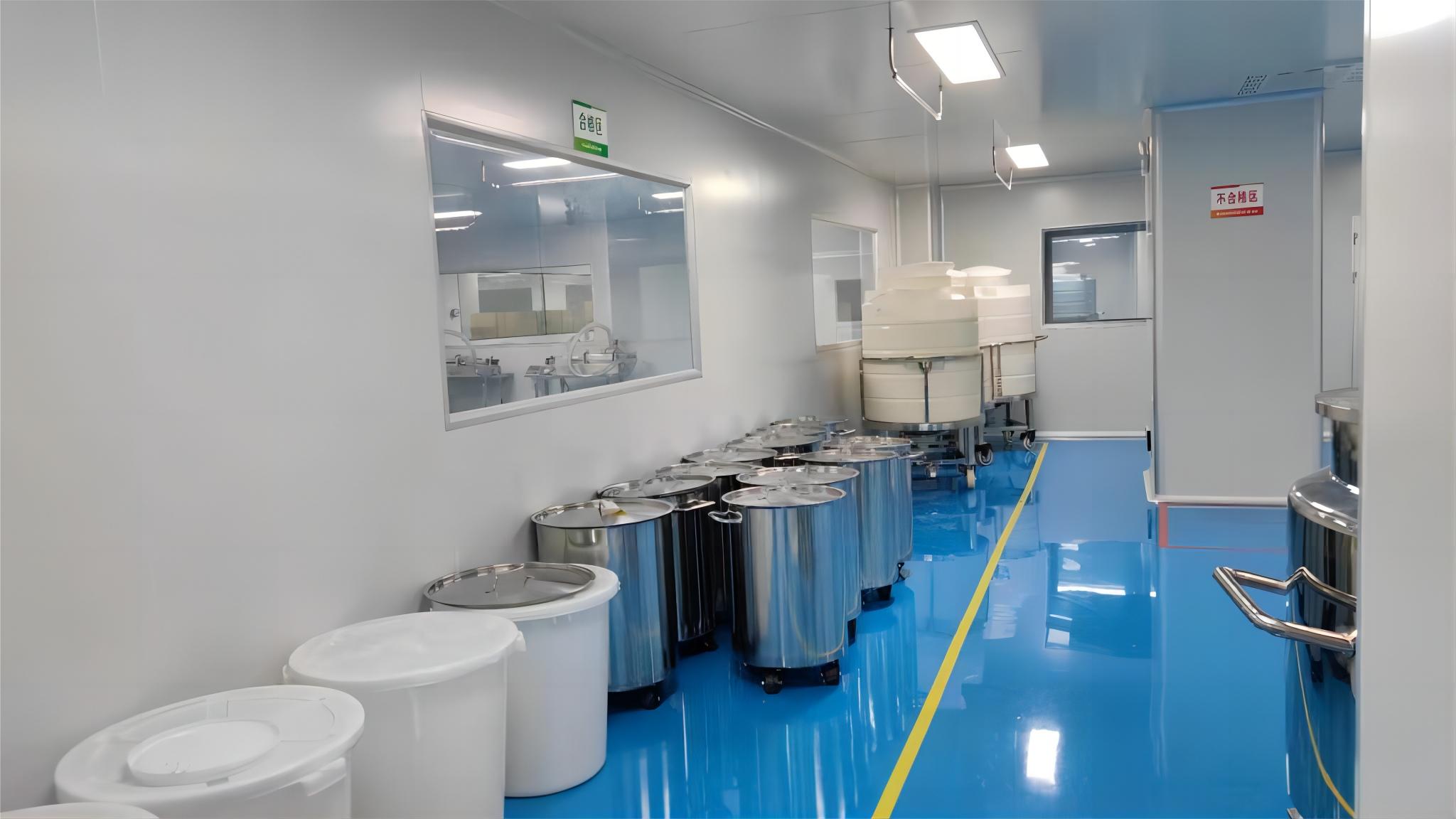
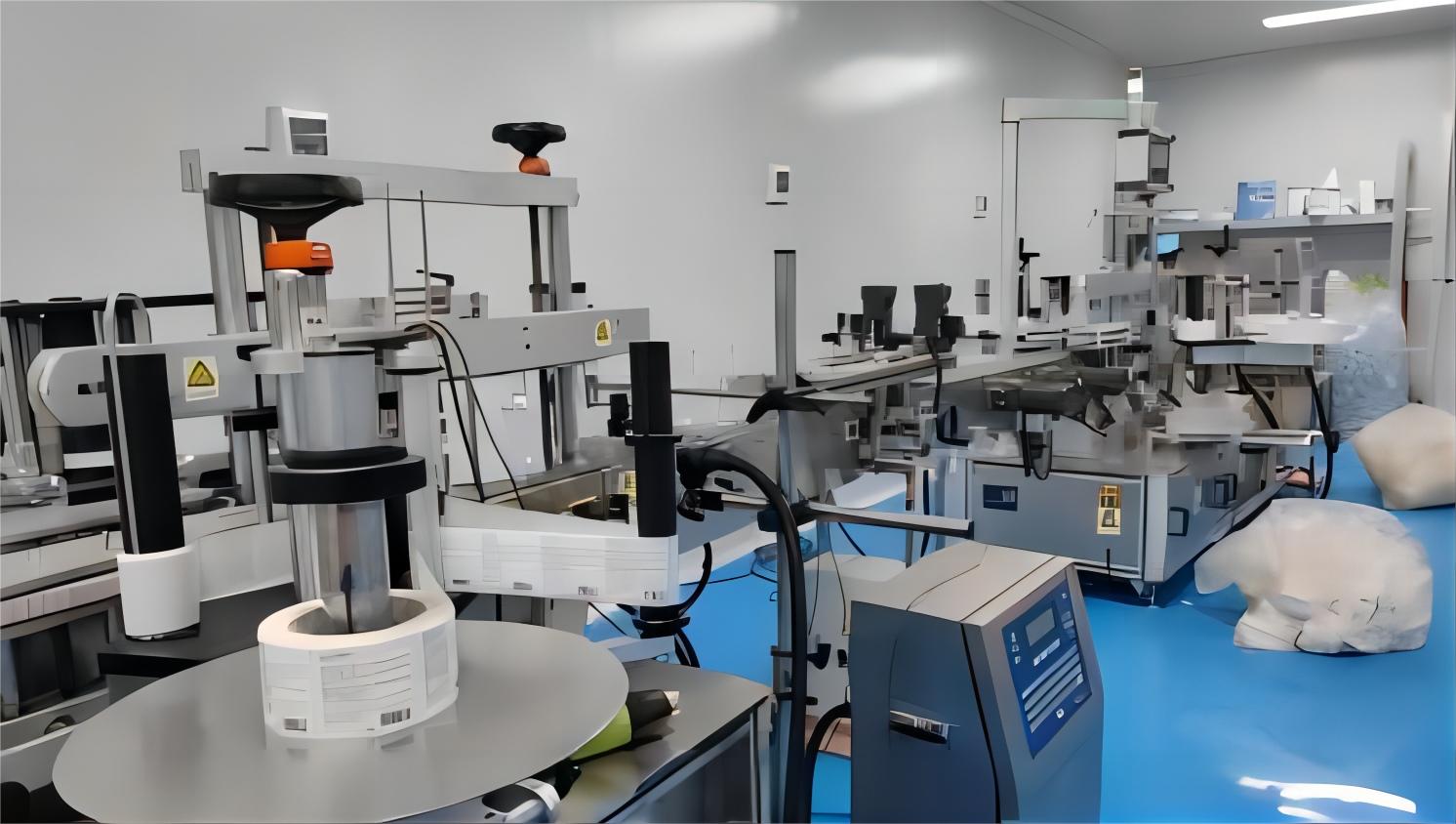
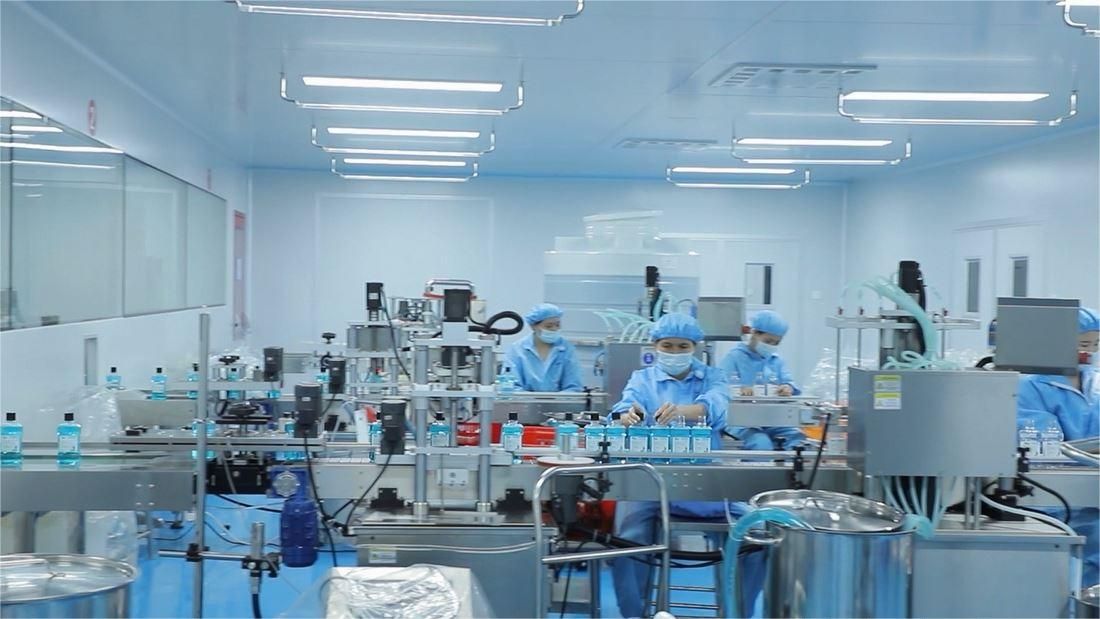
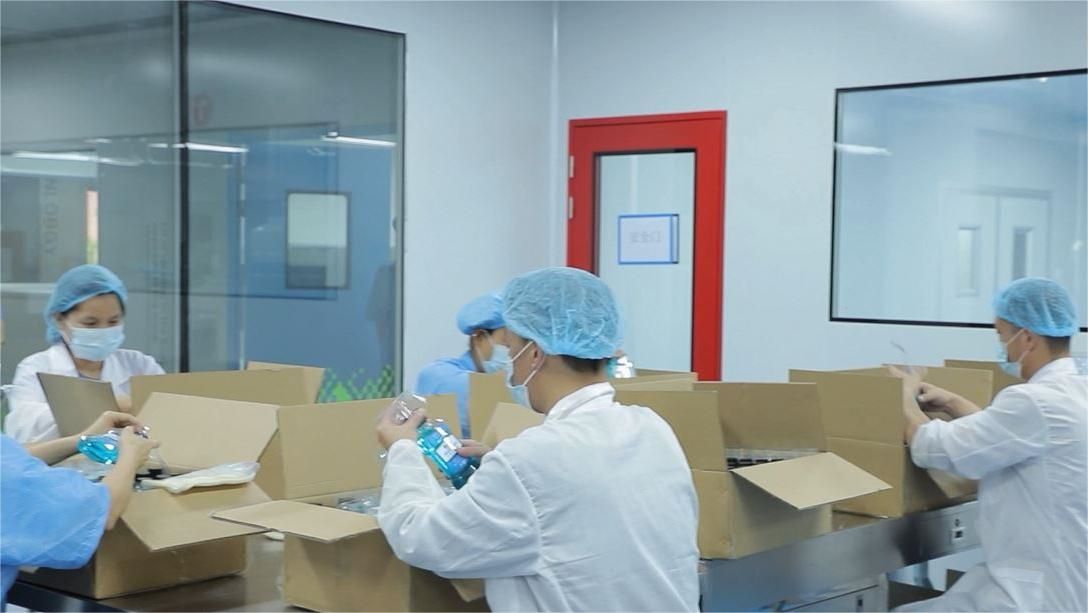
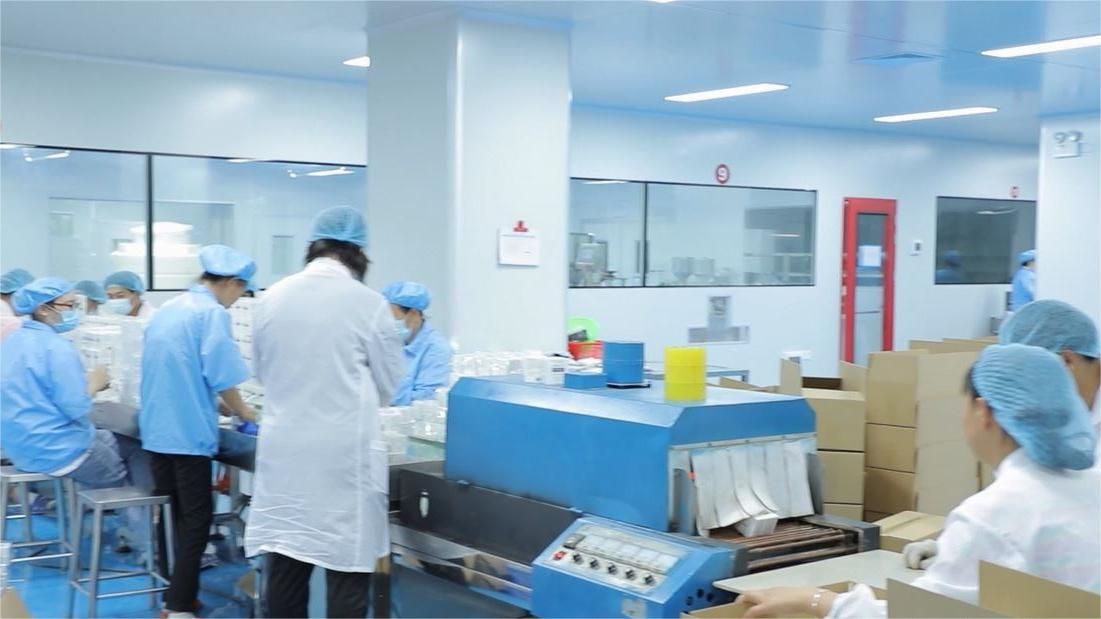
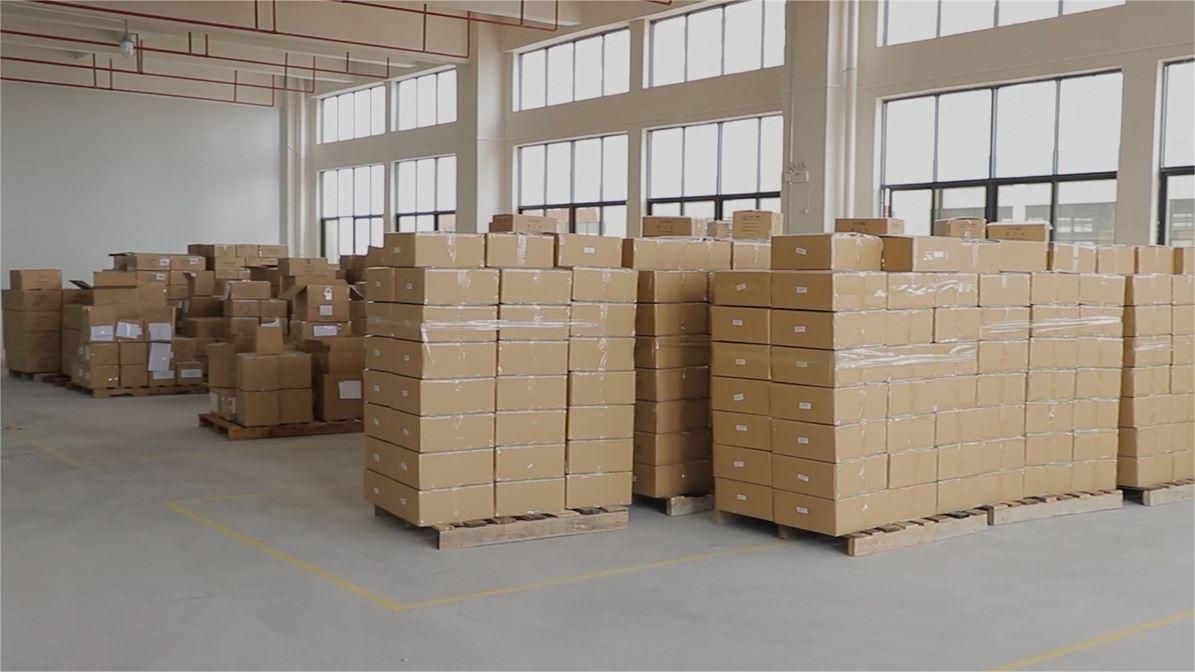
A look into our GMPc & ISO 22716 certified manufacturing line, ensuring the highest stability and safety standards for the global market.
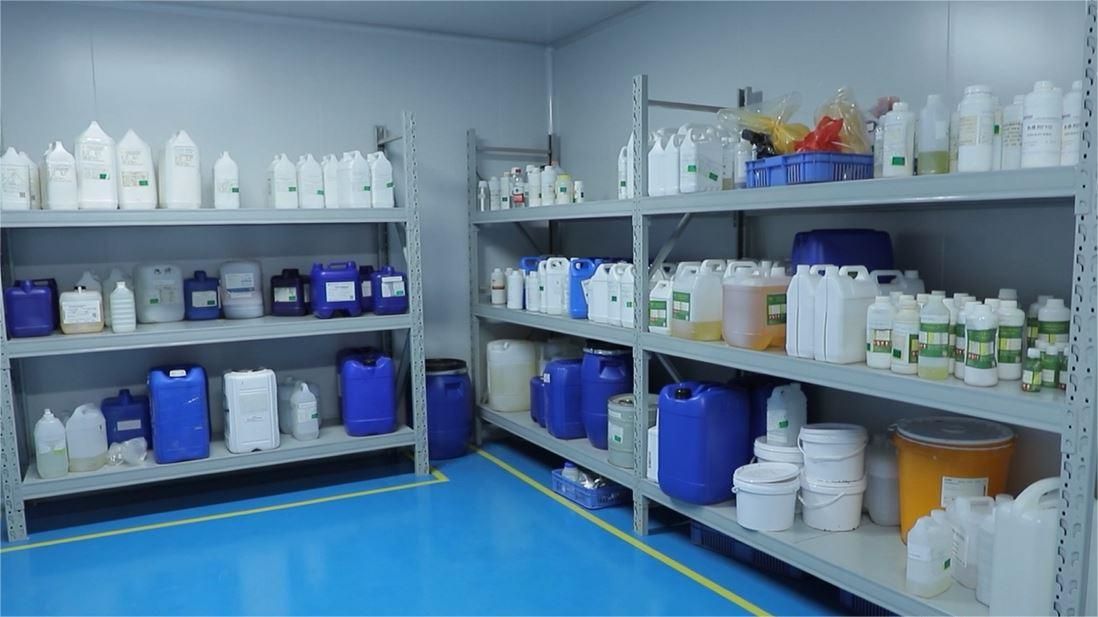
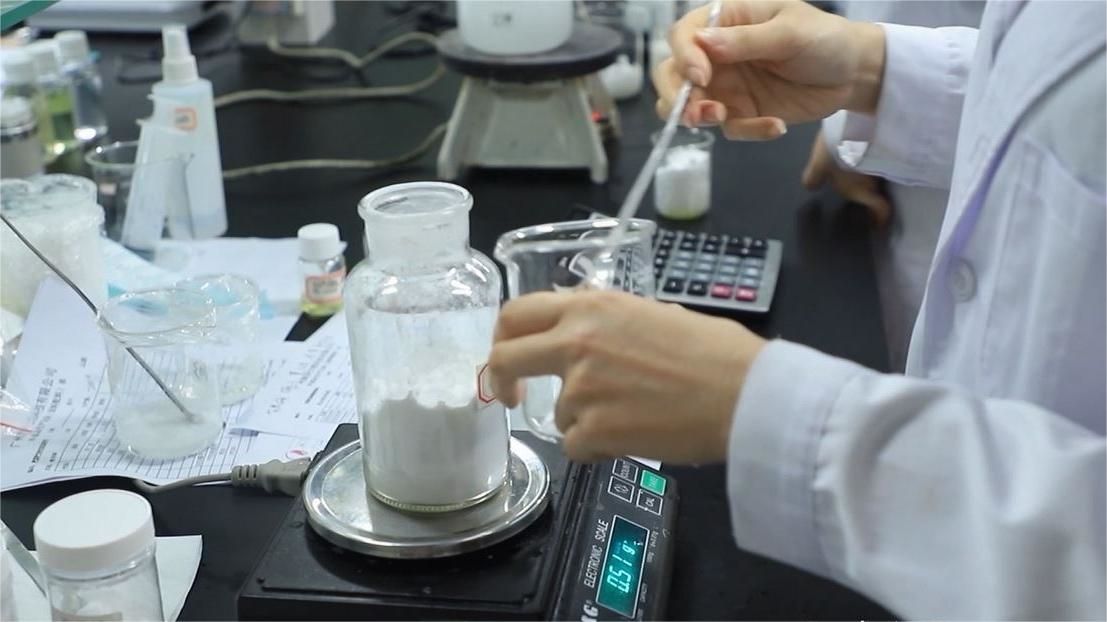
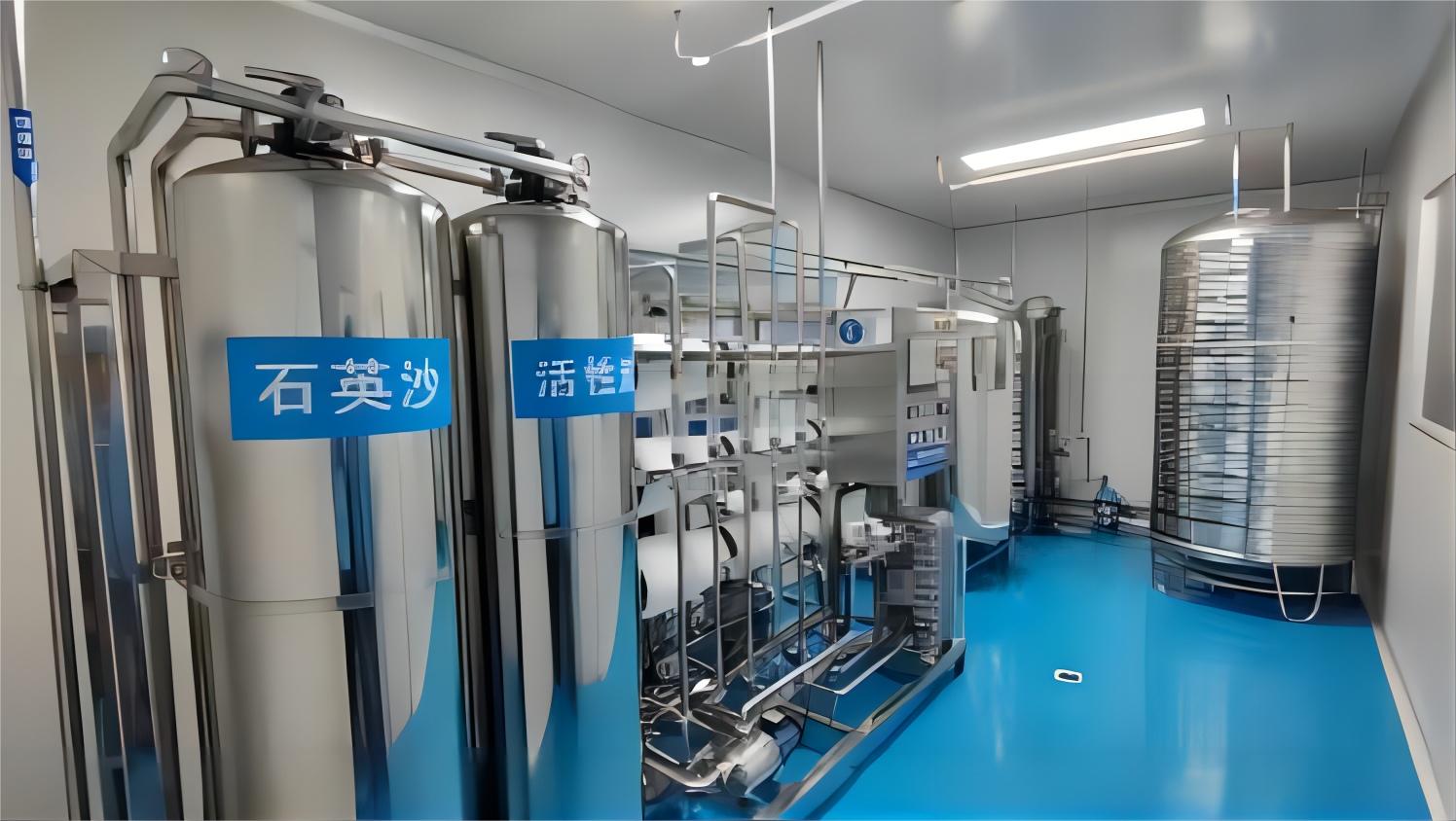
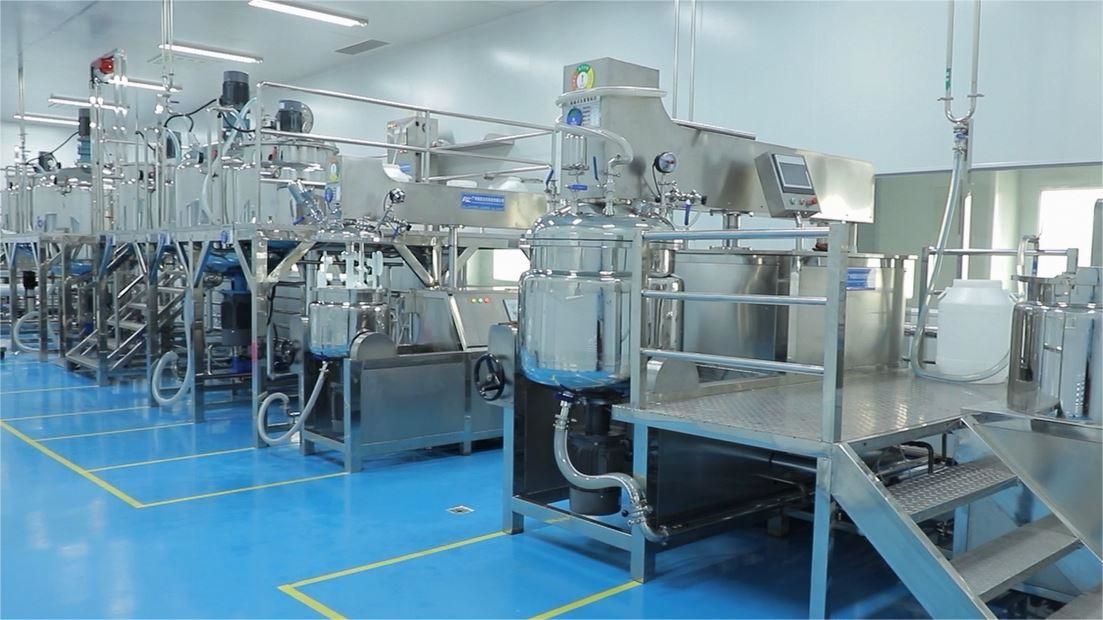
Founded in 2009, Shenzhen TPL Beauty Co., Ltd. is a professional full-service private label cosmetics manufacturer specializing in the research, development, production, and customization of high-quality color cosmetic products. Our manufacturing facility operates under strict quality management systems and complies with global guidelines including GMPc, ISO 22716, FDA, REACH, and EU Cosmetic Regulations.
Every step of our production line is carefully audited to ensure that raw materials undergo precise emulsification, strict safety testing, and automated, sterile packaging. Below is the step-by-step breakdown of our manufacturing journey:
4. Regulatory Compliance & Import Safety for Ghana
The import of cosmetics into Ghana is strictly monitored by the Ghana Standards Authority (GSA) and the Food and Drugs Authority (FDA) Ghana. Importers must comply with the Public Health Act, 2012 (Act 851), which bans harmful ingredients such as hydroquinone, mercury compounds, and certain heavy metals.
At Shenzhen TPL Beauty, we provide complete compliance documentation to facilitate quick clearance at Tema Port, including:
- Certificate of Analysis (COA): Confirming precise chemical composition and absence of banned substances.
- Material Safety Data Sheet (MSDS): Vital for international shipping regulations and local custom inspections.
- Microbiological & Stability Testing: Demonstrating that formulas remain stable under high heat and moisture without bacterial growth.
- Heavy Metal and Toxicology Reports: Complying with both FDA guidelines and EU Cosmetic Regulations (REACH).
5. Localized Application Scenarios in Ghana
To capture market share, local brands should market full-coverage foundations highlighting specific usage contexts:
- Ghanaian Traditional Weddings: A multi-day event characterized by vibrant clothing, high-energy dancing, and hot conditions. Brides require premium 24-hour matte foundations that resist transferring onto garments.
- Daily Office Wear in Accra: Professional women need breathable, non-comedogenic liquid bases that withstand commuting in warm temperatures without looking greasy by midday.
- Outdoor & Broadcast Media: With the growth of the Ghanaian movie industry (Gollywood) and high-definition TV stations, media professionals require high-coverage bases that look natural under bright studio lighting.
6. Technical Roadmap & Sustainable Development (2025 and Beyond)
The cosmetic market is evolving. Our factory's long-term research and development roadmap focuses on bringing next-generation technologies to our partners in Ghana:
Clean Beauty and Eco-friendly Packaging: Developing formulations with biodegradable, plant-based silicones and packaging solutions made from post-consumer recycled (PCR) plastics to align with global environmental movements.
AI-Powered Shade Matching: Working with local e-commerce platforms in Ghana to integrate web-based camera color-matching systems, enabling consumers to easily find their exact matching shade from their smartphones.
Frequently Asked Questions (FAQ)
Essential insights for importing and customizing professional cosmetics for the Ghanaian market.
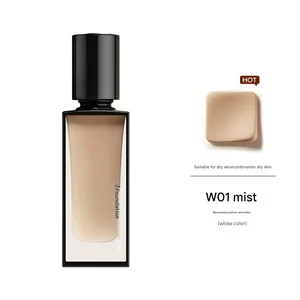
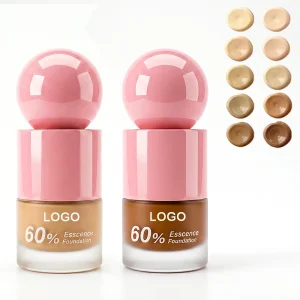
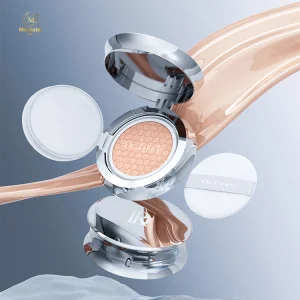
Complete Exporter Catalog
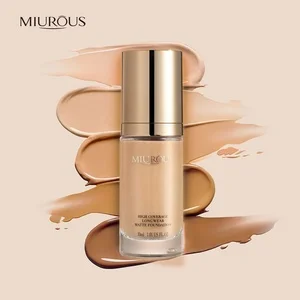
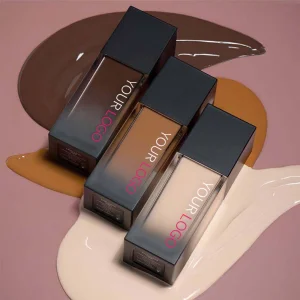
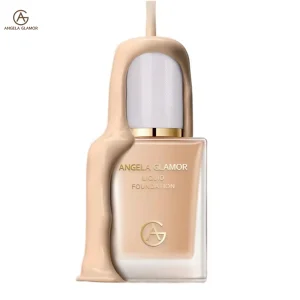
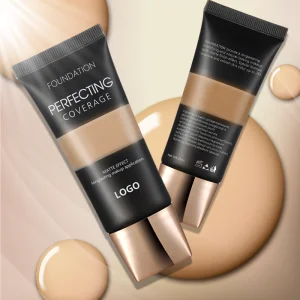
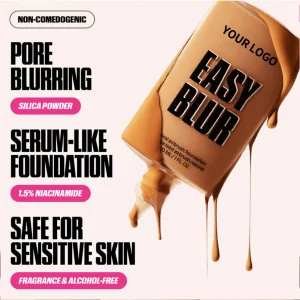
Select from our certified formulations, customizable with your brand logo and custom shade range.
Additional Heavy-Duty Customization Options
We also manufacture specialized custom formulas for diverse skin types and color profiles. View these options below:
- No logo 41 Colors Makeup Private Label Liquid Foundation Full Coverage Foundation Wholesales
- V-shape Color-changing Foundation Stick Full Coverage Concealer Foundation Stick Long-Lasting Foundation Stick with Brush
- Oem 24h Wear Lasting SPF Sunscreen Moisturizing Full Coverage Makeup Face Liquid Foundation (New) Make up for Black Women Skin
- Customized European and American Makeup Black Matte Lasting Waterproof Foundation Dark Concealer Cream for All Skin Types
Ready to Launch Your Premium Foundation Line in Ghana?
Partner with Shenzhen TPL Beauty to create high-performance, sweat-resistant matte foundations tailored for West African consumers. Get complete formula design, regulatory support, and competitive factory pricing.