Premium OEM/ODM Cream Makeup Formulas
Discover clinical-grade base formulations engineered for superior blendability, pigment loading, and skin health
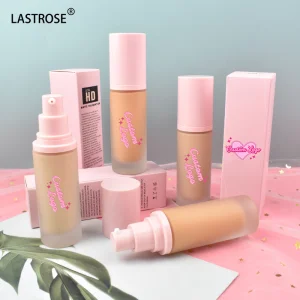
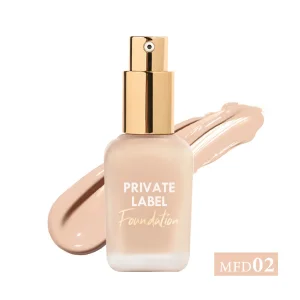
Private Label Makeup Foundation Full Coverage Cream Liquid Foundation 18 Colors Female Waterproof Foundation for Dark Skin
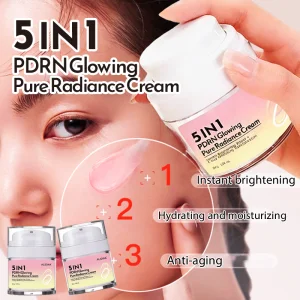
B Deep Hydration & Firming Skincare All-in-One Foundation Whitening Bb Cream Luminous Skin Whitening Anti-Aging Foundation
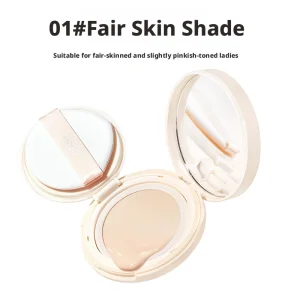
Breathable Light Silky Air Cushion Foundation Waterproof Long Lasting Makeup Air Cushion
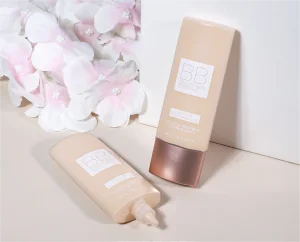
High Coverage BB Cream Dark Skin Tones Long-Wear Moisturizing Liquid Form Oil-Control Brighten Natural Customized Private Brand
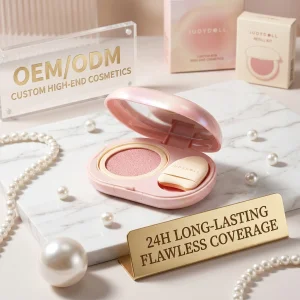
Vegan Cruelty Free Organic Air Cushion Foundation Natural Plant Based BB Cream for Sensitive Skin Paraben Free Healthy Beauty
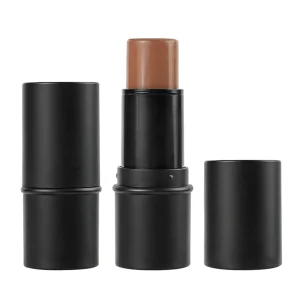
Private Label Mineral Cream Foundation Stick Brighten Waterproof Vegan Cruelty Free Long Lasting Natural Silky Smooth Matte
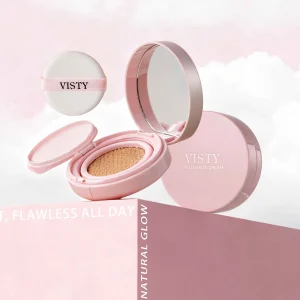
VISTY Cushion BB Cream High Quality Moisturizing Whitening Concealer Cushion Easy to Apply Long-lasting Cushion BB Cream
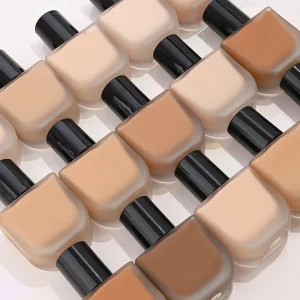
Custom Logo Makeup Organic Facial Liquid Waterproof Long Lasting Vegan Full Coverage Private Label Liquid Matte Foundation 30ml
The Evolution of Cream Makeup in the Global Beauty Market
The cosmetic sector has experienced a profound structural pivot toward anhydrous and emulsified cream systems. Driven by consumer demands for the "skinification of makeup" and the rise of clean, waterless beauty, cream-based formulations have transcended traditional foundations to dominate blush, bronzer, highlighter, and color-correcting markets. Unlike conventional powder formulations, which can dry out mature or textured skin, cream makeup offers a biomimetic lipophilic matrix that seamlessly blends with the natural lipid barrier of the epidermis.
From an industrial chemistry perspective, formulating high-performance cream makeup requires a sophisticated equilibrium between wax matrices, non-comedogenic ester emollients, volatile silicones (or clean-beauty alkanes), and surface-treated pigments. Modern formulations must prevent phase separation and syneresis (liquid bleeding) while maintaining smooth shear-thinning rheology. As global demands shift toward natural, dewy finishes and skin-barrier support, the demand for cream-based foundations, sticks, and BB creams has surged exponentially. The market value for cream makeup is projected to compound at a CAGR of 6.8% through 2030, presenting massive opportunities for private label brands and distributors.
Why Global Brands Partner with China’s Cosmetics Manufacturing Hub
China, particularly the manufacturing ecosystem of Shenzhen and the Pearl River Delta, stands as the global epicentre of cosmetic supply chain efficiency. While Western manufacturers often face extended timelines due to fragmented component sourcing, China’s industrial clusters integrate raw chemical synthesis, custom primary packaging design, structural tooling, and cleanroom filling within a tight geographical radius. This proximity allows factories like Shenzhen TPL Beauty Co., Ltd. to compress the development lifecycle from the standard 9-12 months down to 45-60 days.
Rapid Time-to-Market
Complete supply chain consolidation allows rapid custom prototyping, tooling, and formulation development, compressing traditional timelines by over 50%.
Technological Upgrades
Our facility features high-shear vacuum emulsifiers, computerized shade spectrophotometers, and fully automated packaging lines that guarantee uniform viscosity.
Cost & Scale Efficiency
Unmatched access to packaging components and raw material networks translates into lower unit costs without compromising E-E-A-T credentials.
Beyond operational speed, China's cosmetics industry has transitioned from low-cost mass production to high-tech, precision engineering. Advanced factories utilize computerized triple-roll mills and high-vacuum emulsifiers to refine particle sizes of iron oxides down to sub-micron scales. This ensures that the cream foundations and BB creams do not separate or oxidize over time, providing the flawless sensory profile and stability that international markets demand.
Addressing Localized Demands and Inclusivity Engineering
In the era of hyper-personalized skincare and diverse global demographic requirements, a one-size-formulation-fits-all approach is obsolete. High-performing suppliers must demonstrate capability in shade inclusivity engineering. Formulating foundations and CC creams for deep melanin-rich skin tones is not merely about increasing black or red iron oxides; doing so without modifying the underlying base formula leads to "ashy" or greyish skin appearances.
To solve this, advanced formulation scientists adjust the balance of ultramarine blue, yellow iron oxides, and organic hybrid colorants to complement warm, cool, and olive undertones. In parallel, climate adaptation is critical. For high-humidity markets like Southeast Asia, our R&D incorporates oil-control spherical silica and cross-linked silicone resins to provide sweat-resistant barrier films. Conversely, for dry, cold European or North American climates, our formulas are enriched with low-molecular-weight hyaluronic acid, plant-derived squalane, and ceramides to deliver sustained epidermal hydration.
Strict E-E-A-T Quality and Global Regulatory Compliance
For enterprise buyers, compliance is non-negotiable. Importing cosmetics into the European Union requires alignment with the EC Regulation No 1223/2009, necessitating a complete Product Information File (PIF) and a verified safety assessor sign-off. In North America, the Modernization of Cosmetics Regulation Act (MoCRA) demands rigorous facility registration, product listing, and adverse event reporting.
Shenzhen TPL Beauty Co., Ltd. is structured to mitigate regulatory risks for global importers. Operating under certified GMPc (Guidelines for Good Manufacturing Practice of Cosmetics) and ISO 22716 standards, the factory maintains trace records for every batch of raw materials. Heavy metal contamination, microbiology levels, and chemical stability are tested exhaustively. All formulations are paraben-free, phthalate-free, cruelty-free, and compliant with California Proposition 65 and REACH guidelines.
Shenzhen TPL Beauty Co., Ltd. – Professional Private Label Cosmetics Manufacturer
Founded in 2009, Shenzhen TPL Beauty Co., Ltd. is a professional full-service private label cosmetics manufacturer specializing in the research, development, production, and customization of high-quality color cosmetic products for global beauty brands, distributors, retailers, and e-commerce businesses.
Our product portfolio covers a wide range of makeup categories, including eyeshadow palettes, lipsticks, lip glosses, liquid lipsticks, foundations, concealers, blushes, highlighters, bronzers, mascaras, eyeliners, eyebrow products, setting powders, and other innovative beauty solutions. From concept development and formula design to packaging customization and mass production, we provide comprehensive OEM/ODM services tailored to meet diverse market demands.
With extensive experience serving customers across North America, Europe, the Middle East, Southeast Asia, and other international markets, we have a deep understanding of global cosmetic regulations and quality standards. All formulations can comply with relevant international requirements, including EU Cosmetic Regulations, REACH, FDA guidelines, and California Proposition 65. We provide complete documentation support, including product testing reports, safety assessments, MSDS, ingredient documentation, and regulatory filing assistance.
Our manufacturing facility operates under strict quality management systems and is certified with GMPc and ISO 22716 standards. Every stage of production, from raw material sourcing to finished product inspection, is carefully monitored to ensure consistent quality, safety, and performance.
TPL Beauty is committed to developing clean, safe, and trend-driven cosmetic products. Driven by innovation, quality, and customer satisfaction, Shenzhen TPL Beauty Co., Ltd. continuously invests in product development, color trend research, and advanced manufacturing technologies to help clients build successful and competitive beauty brands in the global marketplace.
Your Trusted Partner for OEM/ODM Cosmetic Manufacturing.
Advanced Cosmetic Production Process
Transparent visualization of our professional, GMPc-compliant, state-of-the-art manufacturing flow
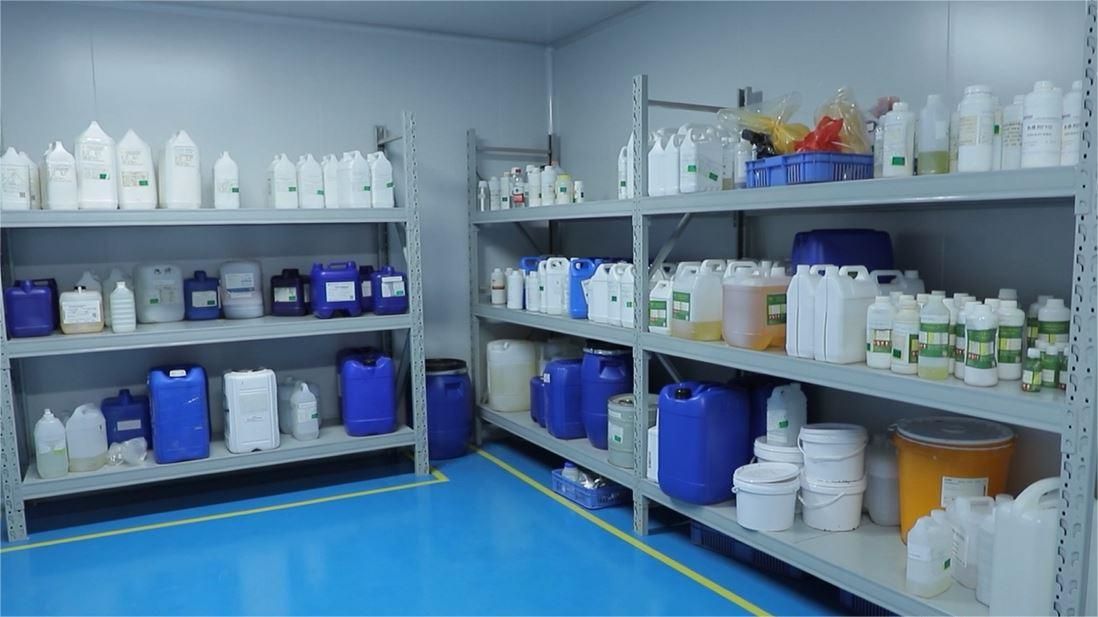
Raw Material
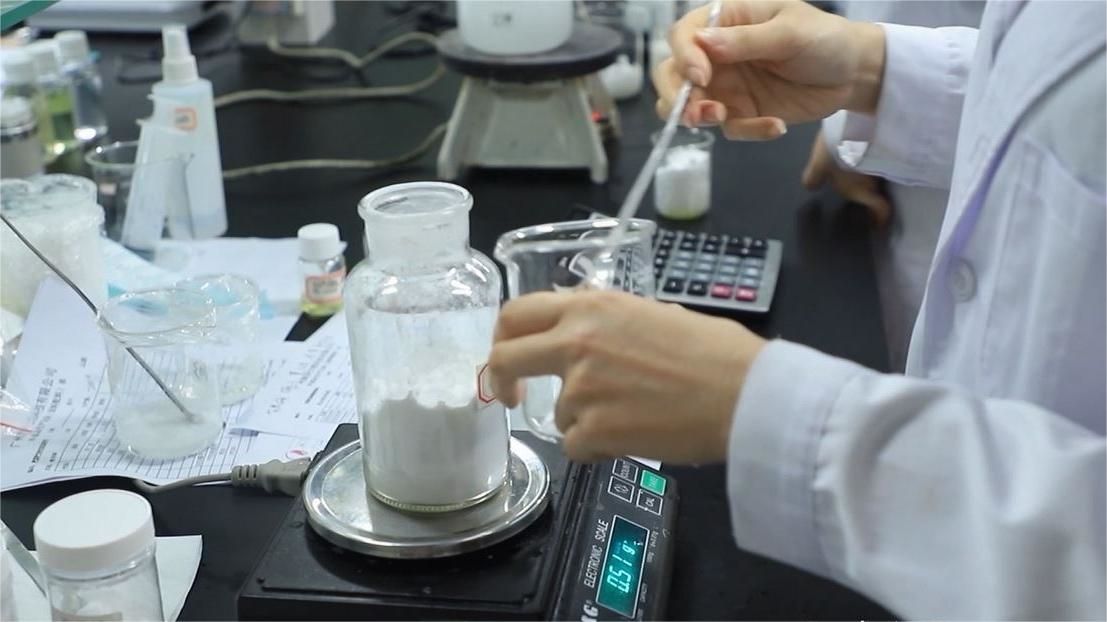
Weighing For Cosmetics Ingredient
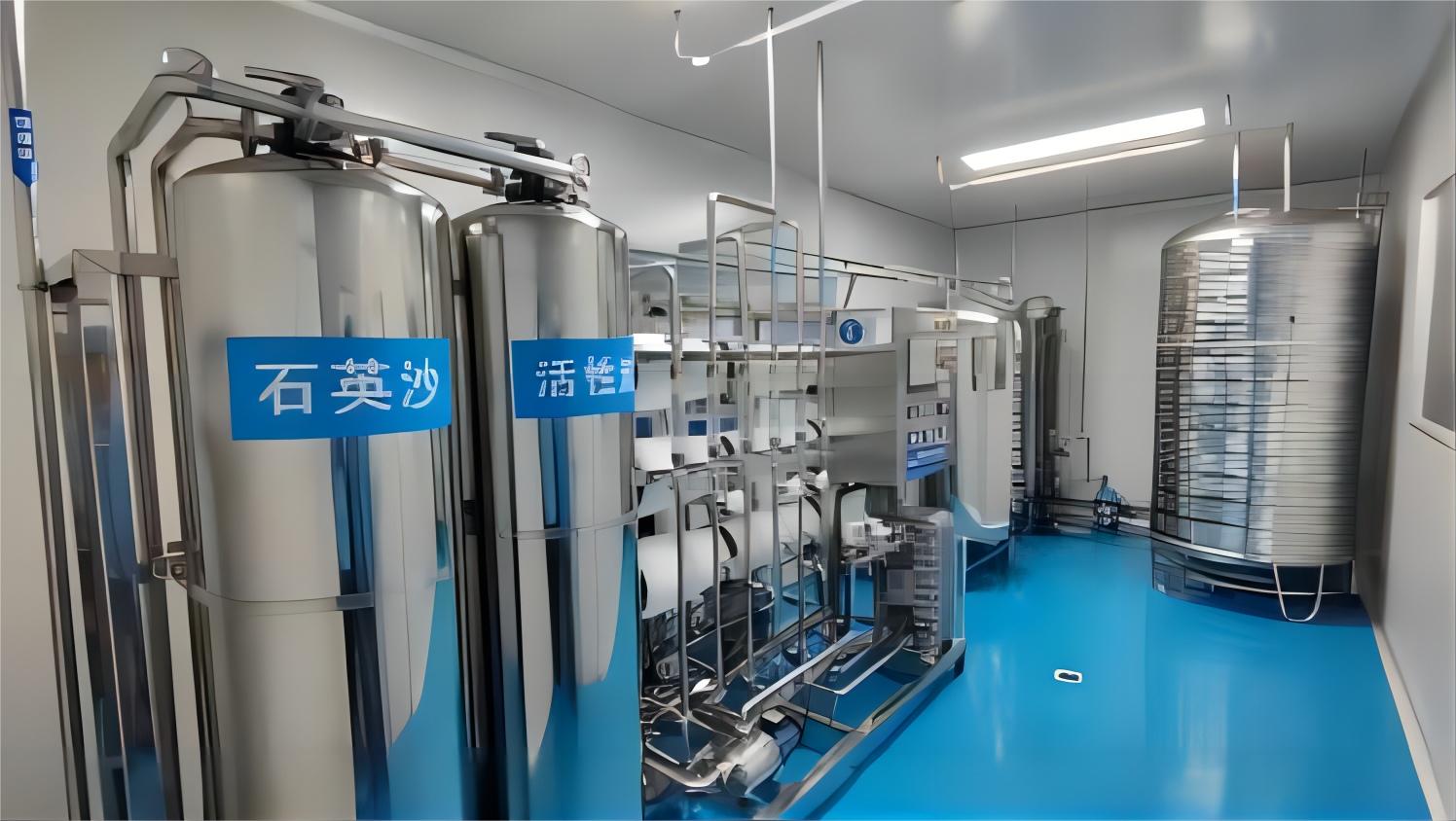
Pure Water Making For Cosmetics
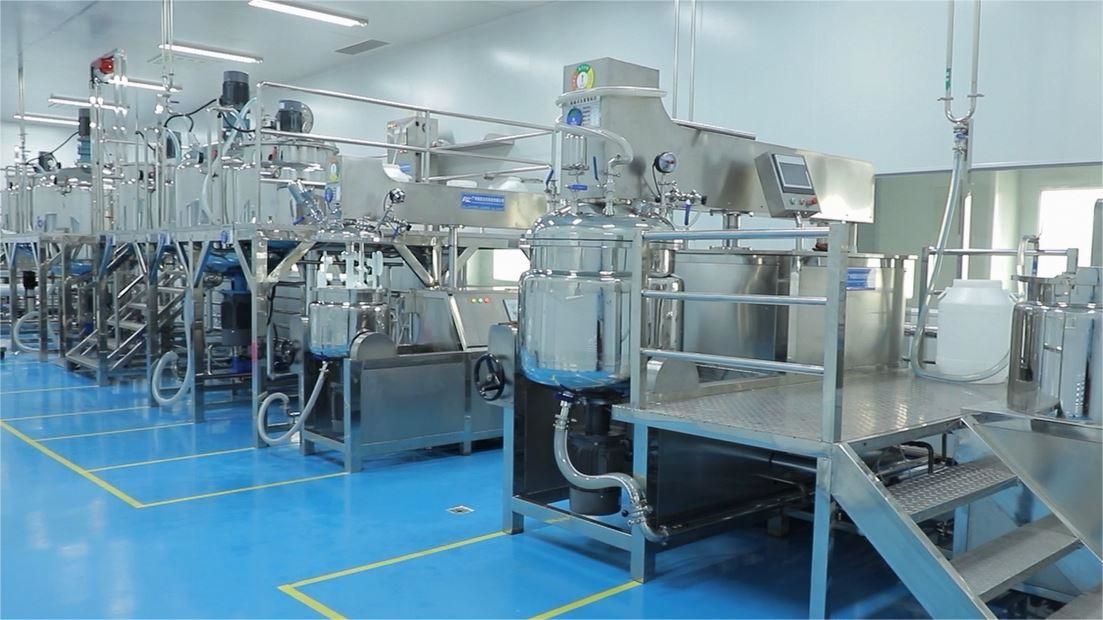
Emulsifying For Cosmetics
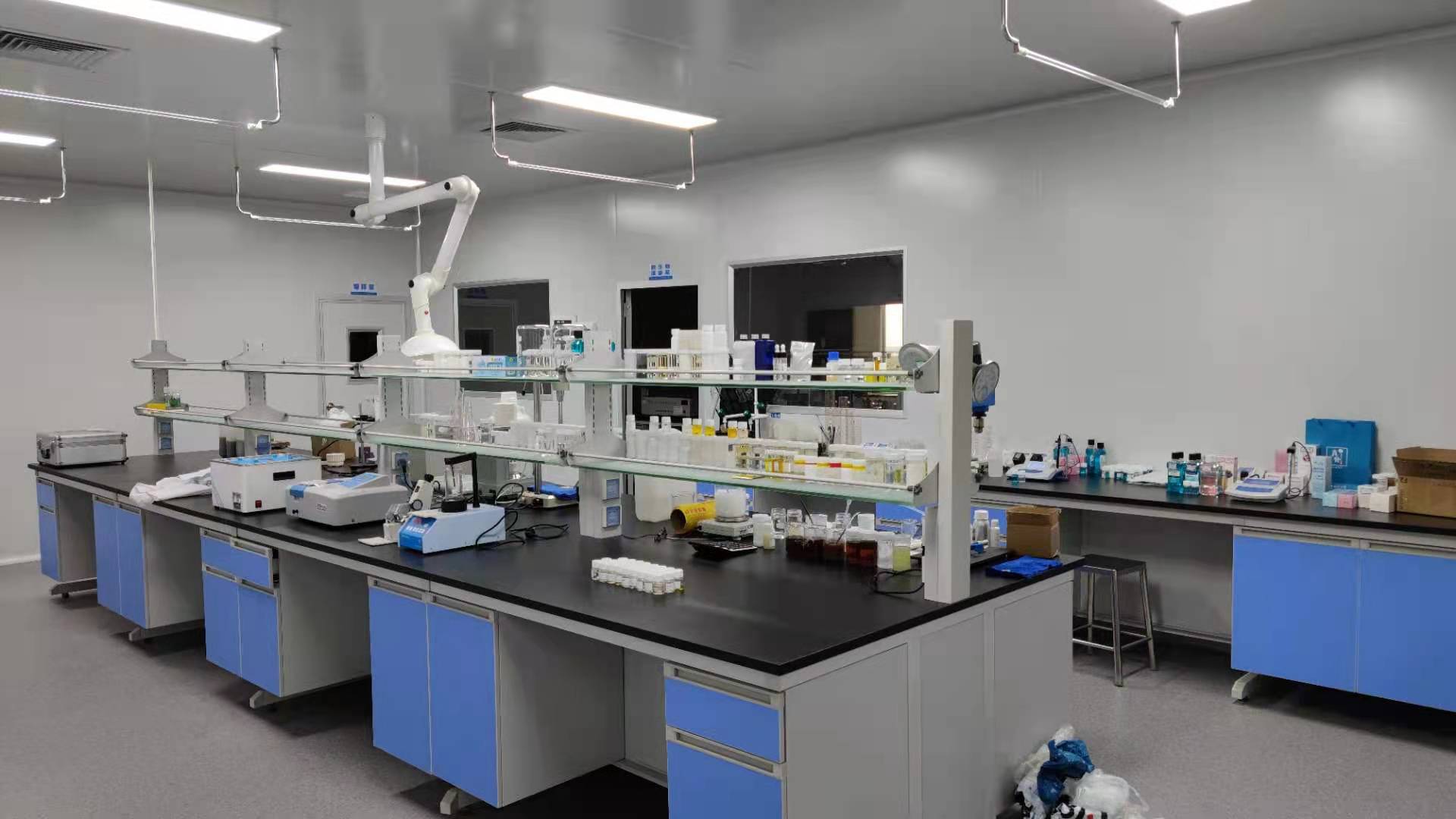
Testing For Cosmetics
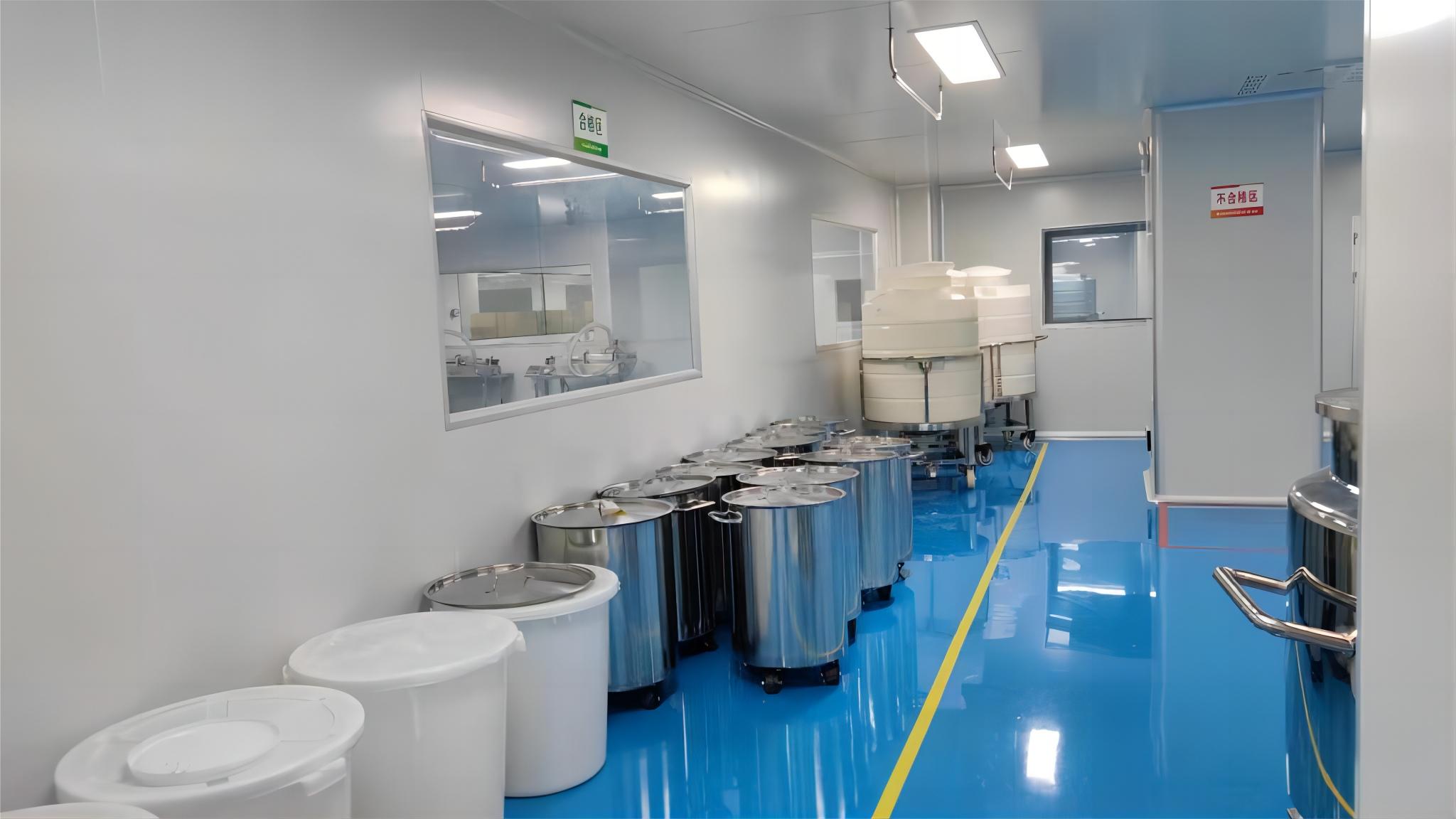
Standing
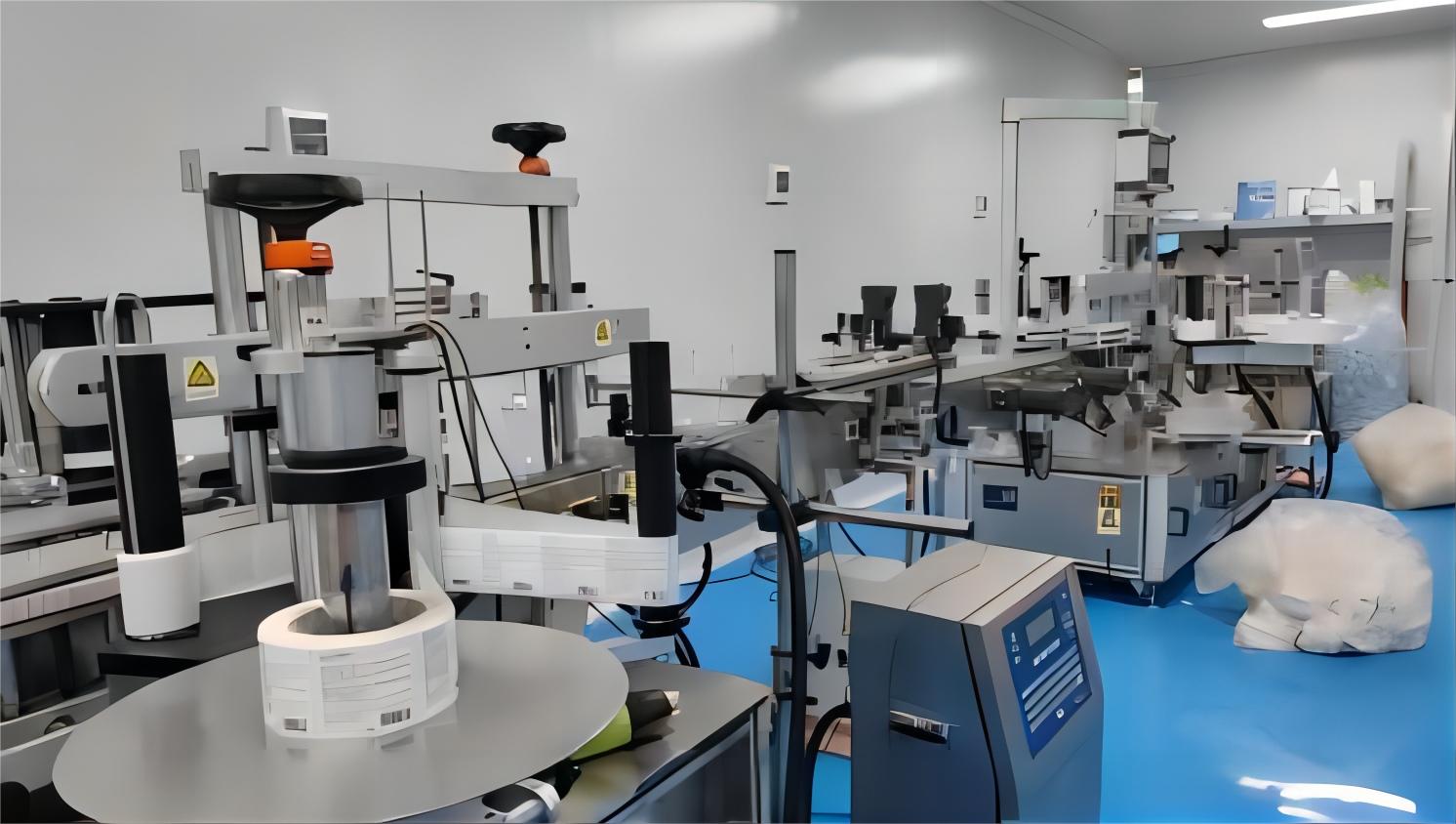
Coding For Cosmetics
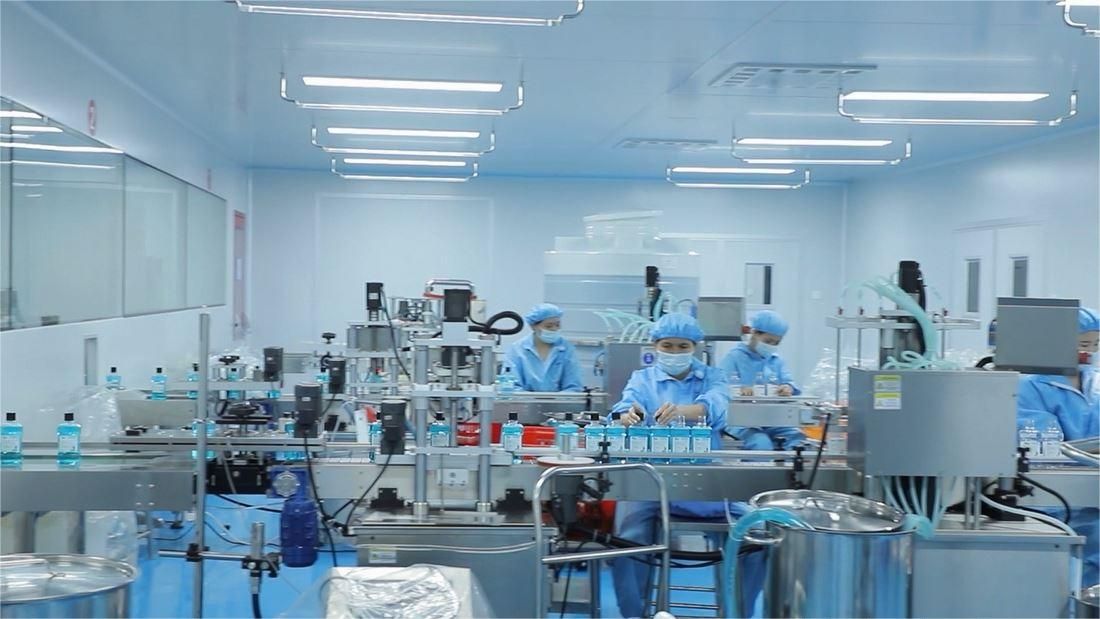
Emulsion Filling For Cosmetics
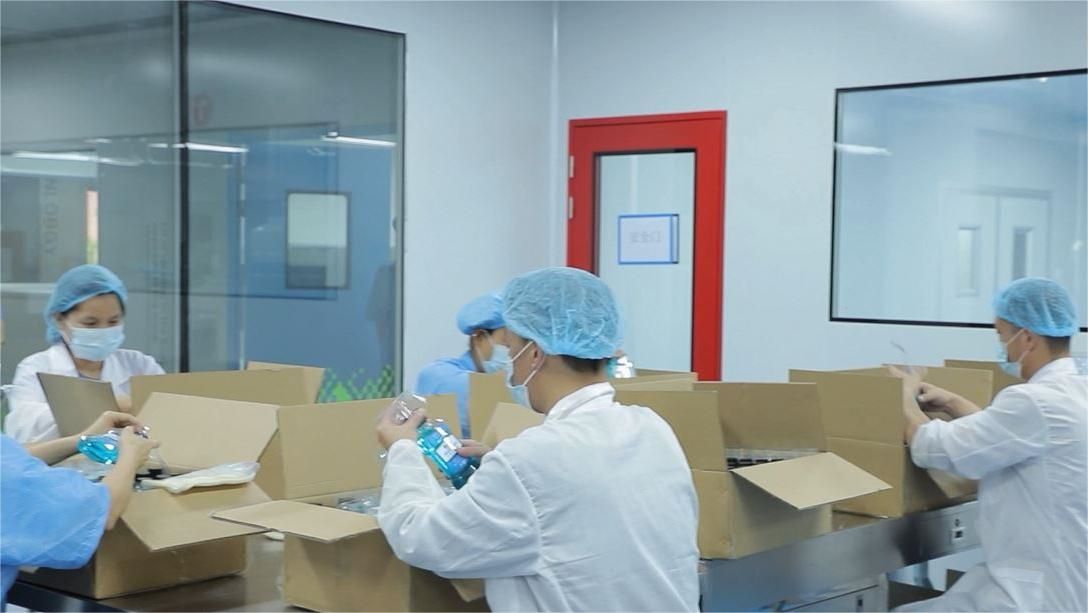
Inspecting
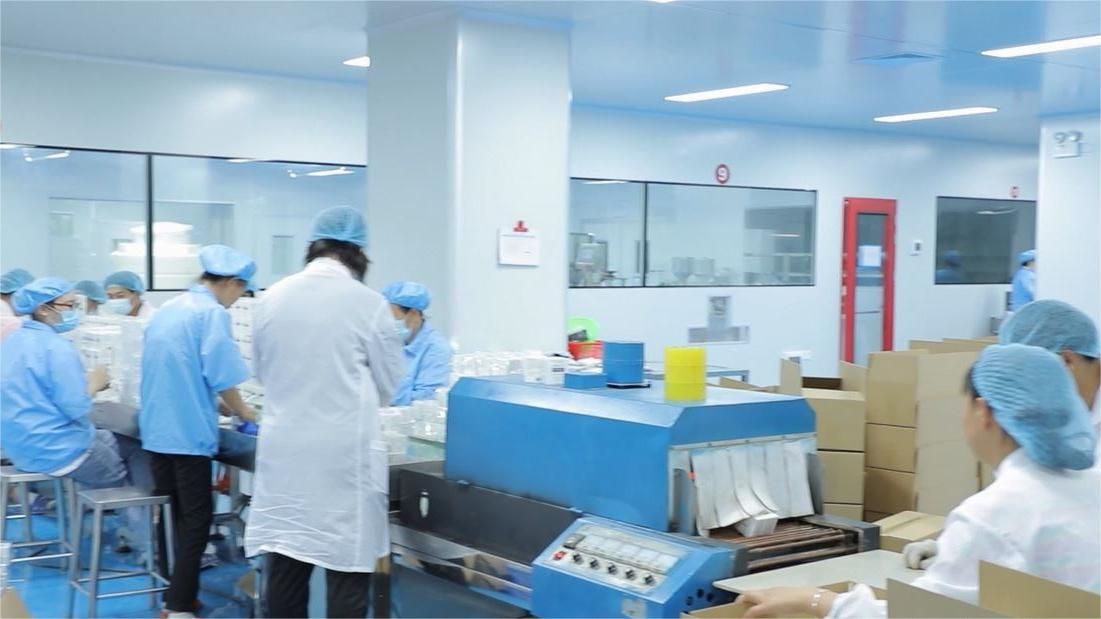
Packing
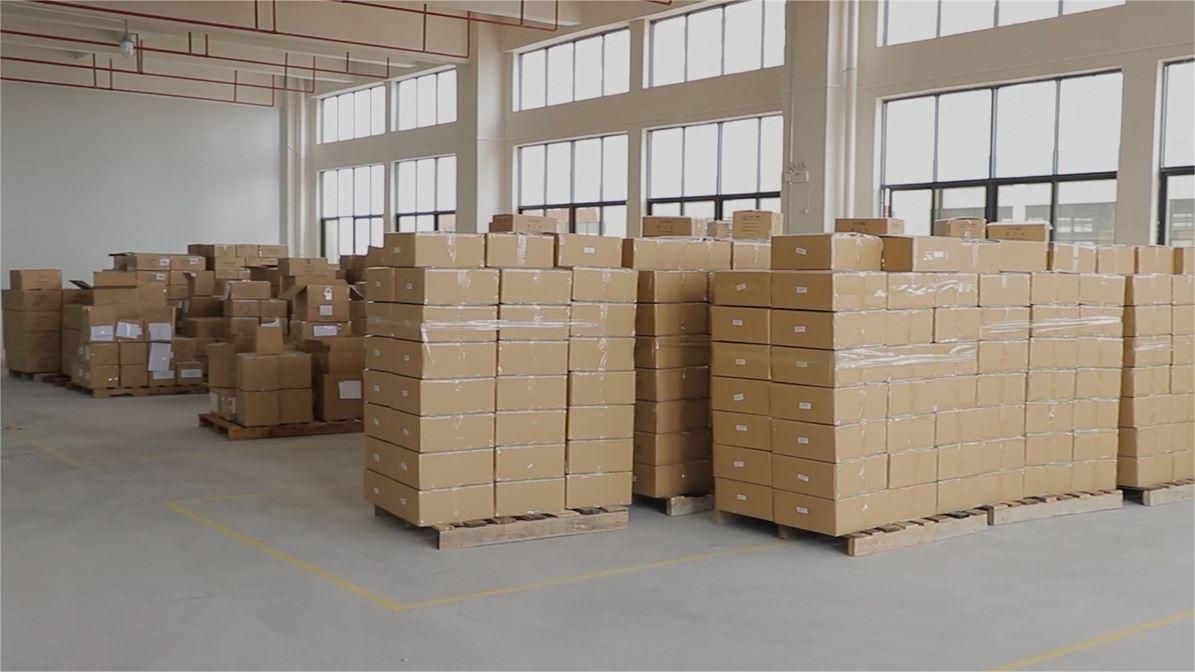
Packed Production
Key Development Trends in the Cream Makeup Industry
Looking forward, several strategic trends are reshaping the development of cream cosmetics. Brand managers looking to capitalize on these shifts must design their pipelines around the following three technological vectors:
1. The "Skinification" of Color Cosmetics
The boundary between clinical skincare and color cosmetics continues to dissolve. Cream formulations are no longer expected to merely camouflage imperfections; they are required to act as vehicle matrices for active compounds. Consumers demand formulas packed with niacinamide, peptides, ceramides, and broad-spectrum mineral sunblock agents. Developing these hybrids requires emulsification technologies that prevent active molecules from degrading or interfering with pigment dispersion.
2. Sustainable Packaging and Clean Formulations
Reducing global plastic footprints is a major corporate objective. Consequently, cream formulations are moving away from traditional single-use packaging to refillable containers, post-consumer recycled (PCR) plastics, and biodegradable paper components. Simultaneously, "clean beauty" mandates demand the replacement of synthetic silicones (such as dimethicone) with natural emollient esters like coco-caprylate or hydrogenated olive oil unsaponifiables.
3. High-Solid Anhydrous Sticks and Cushions
Modern consumers value portability. Cream sticks, multi-pots, and cushion foundations provide quick, mess-free applications on the go. The manufacturing challenge of stick formulations involves adjusting melting-point profiles to ensure the stick remains solid in hot temperatures (such as inside a transit vehicle) yet melts instantly upon contact with the warmth of human skin.
Frequently Asked Questions & Sourcing Intelligence
To assist corporate procurement departments, product developers, and brand managers, we have compiled the definitive FAQ detailing the technical and operational specifications of cream makeup sourcing.
Advanced Skincare-Infused Foundations & Serums
High-performance formulations featuring active SPF, physical sunblocks, and hydrating emulsion microcapsules
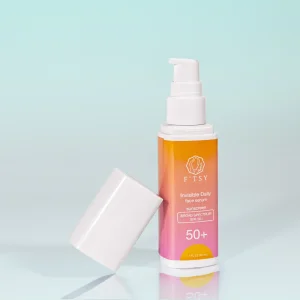
Hot Selling Custom Logo Light Dewy Finished Tinted Broad Spectrum Mineral SPF30 Sunblock Sunscreen Serum
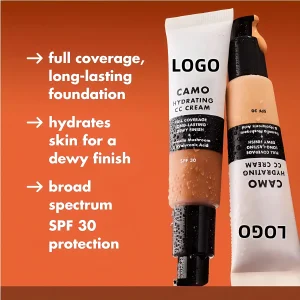
Support Custom Cruelty-Free Fair 120W SPF 30 Vegan Mineral Ingredient Full Coverage Foundation with Dewy Finish CC Cream
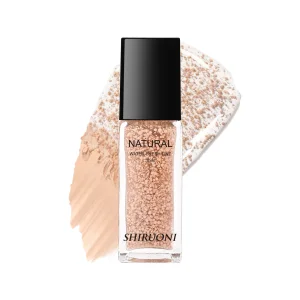
Private Label Lightweight Waterproof Micro Capsules Bursting Oil Bead Foundation Serum Long Lasting Coverage Skin Enhancing
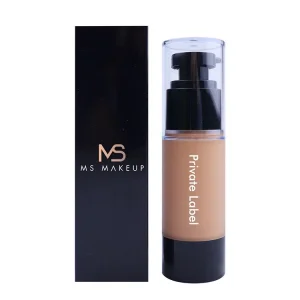
Ms Makeup Cosmeticoem Odm Vegan Black Round Tube Oil Free Matte Fit Me Full Coveragecream Private Label Makeup Liquid Foundation
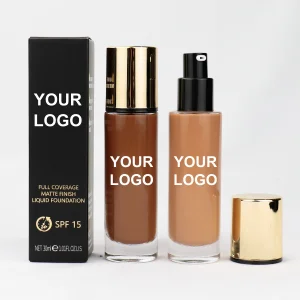
Custom Logo Vegan Waterproof Long Lasting Foundation Full Coverage Private Label Liquid Dewy Foundation for Dark Women
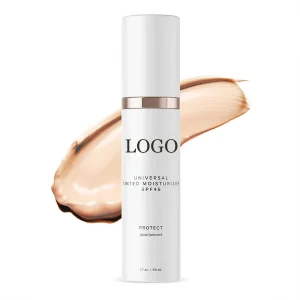
Private Label Face Primer Makeup Base Tinted Sunscreen SPF 46 Tinted Moisturizer
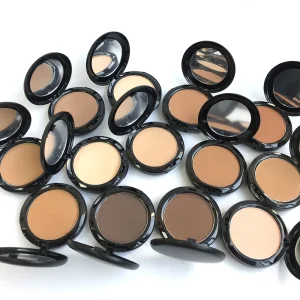
Oil Control Waterproof Matte Conceal Pores Foundation Plastic Full Coverage Compact Powder Private Label