1. Global Market Intelligence: The Evolution of Velvety Finish Foundations
The global cosmetics industry is witnessing a structural transition. Consumer preferences have moved past the flat, heavy matte finishes of the past decade and the over-dewy, sticky finishes of the glass-skin era. Today's target demographic demands the Velvety Finish Foundation—a state-of-the-art hybrid matrix that offers long-wear oil absorption while maintaining an internal luminous moisture profile. This aesthetic is technically defined as a semi-matte, soft-focus finish that mimics the natural texture of clean, hydrated skin under diffuse lighting.
For B2B buyers and cosmetic brand owners, identifying a competent manufacturing facility that understands this chemistry is crucial. Below are key commercial statistics defining the velvety foundation sector:
Modern velvety formulations rely on customized powder-to-liquid ratios and advanced cross-linked silicones to suspend high-pigment loads without settling into fine lines. Leading contract manufacturers utilize high-shear emulsification equipment to reduce droplet size, ensuring a lightweight, breathable, and transfer-resistant matrix.
2. Featured Formulations & Custom Base Options (Catalog Part A)
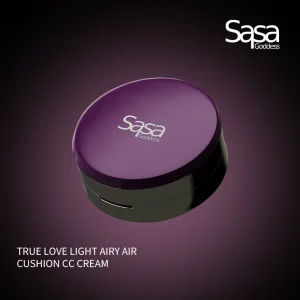
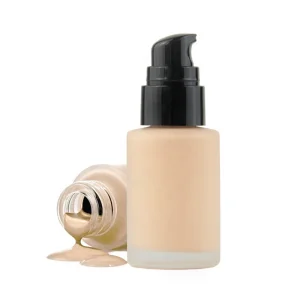
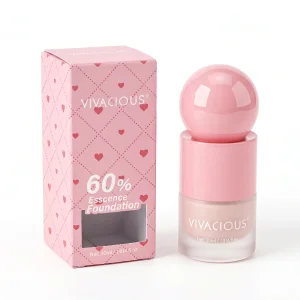
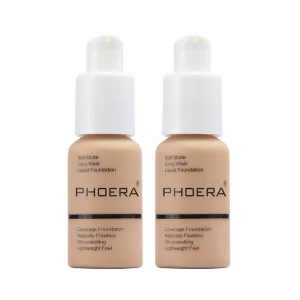
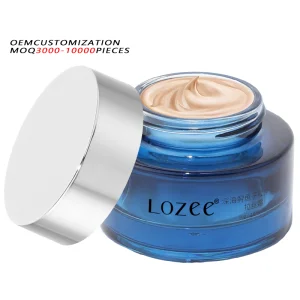
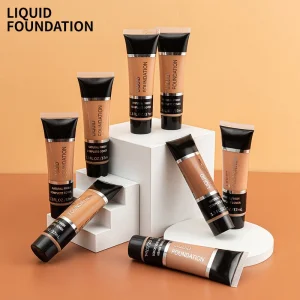
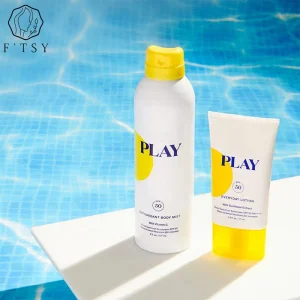
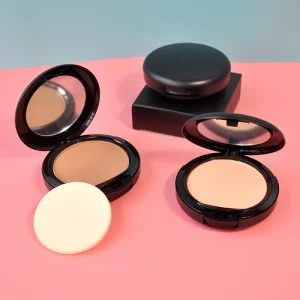
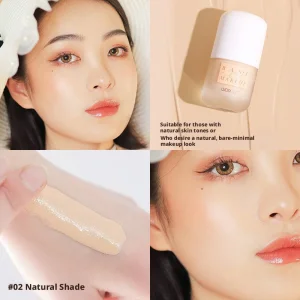
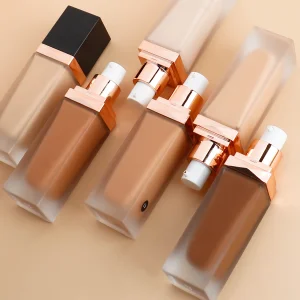
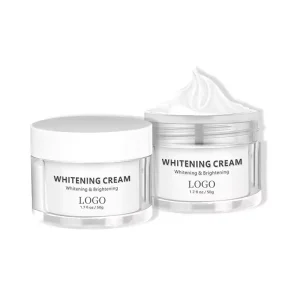
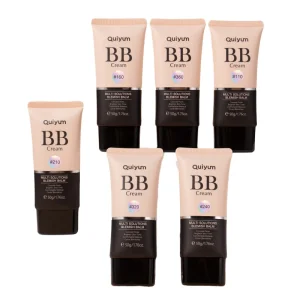
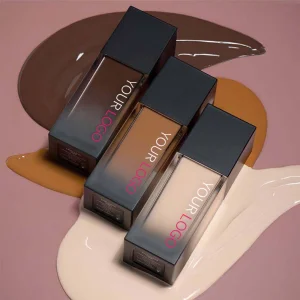
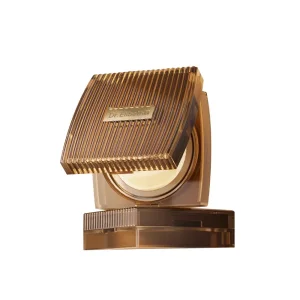
Below are eight premium private label formulation options developed in compliance with global safety standards. These formulations serve as ready-to-market bases that can be customized with specific signature active ingredients, fragrance packages, and shade ranges.
3. Technical Formulation Architecture of a Premium Velvet Foundation
Achieving the precise "velvety" tactile profile requires an advanced understanding of colloidal systems and particle surface chemistry. Modern cosmetic chemists utilize specific structural strategies to engineer these characteristics:
Silicone-in-Water (Si/W) and W/Si Emulsion Systems
By using volatile silicone oils (e.g., Cyclopentasiloxane) combined with low molecular weight polymeric emulsifiers, R&D labs create a sensory profile that transitions from a cooling liquid on application to a velvety film upon drying.
Light-Diffusing Microspheres (Soft Focus)
Integration of Polymethyl Methacrylate (PMMA), Silica, or Nylon-12 microspheres. These spherical particles scatter light multi-directionally, visually blurring imperfections and pores while reducing perceived shininess without caking.
Amino Acid-Coated Mineral Pigments
Treating iron oxides and titanium dioxide with Lauroyl Lysine or Triethoxycaprylylsilane prevents the formulation from oxidizing (darkening) when exposed to sebum, ensuring long-term color fidelity and hydration compatibility.
The Formulation Expert's Perspective
"A flawless velvet finish is not simply about oil control. It is a precise balance of oil absorption using hydrophobic silica and continuous hydration using low-molecular-weight hyaluronic acid complexes. The formulation must breathe, flexing with facial expressions without breaking the silica-silicone matrix."
Comparison of Common Velvet Foundation Formulations
| Formulation Type | Key Active Ingredients | Optimal Skin Type | Regulatory Compliance |
|---|---|---|---|
| Hydrating Velvet Liquid | Hyaluronic Acid, Squalane, Vitamin E | Normal to Dry / Mature Skin | FDA, EU REACH, Prop 65 Compliant |
| Oil-Control Matte Velvet | Zinc PCA, Niacinamide, Salicylic Acid | Oily / Acne-Prone Skin | FDA, GMPC Certified Formulation |
| Clean Mineral Velvet SPF | Non-nano Zinc Oxide, Titanium Dioxide | Sensitive Skin / Clean Beauty | OTC Drug Compliant (US Market) |
4. Featured Factory & OEM/ODM Capacity: Shenzhen TPL Beauty Co., Ltd.
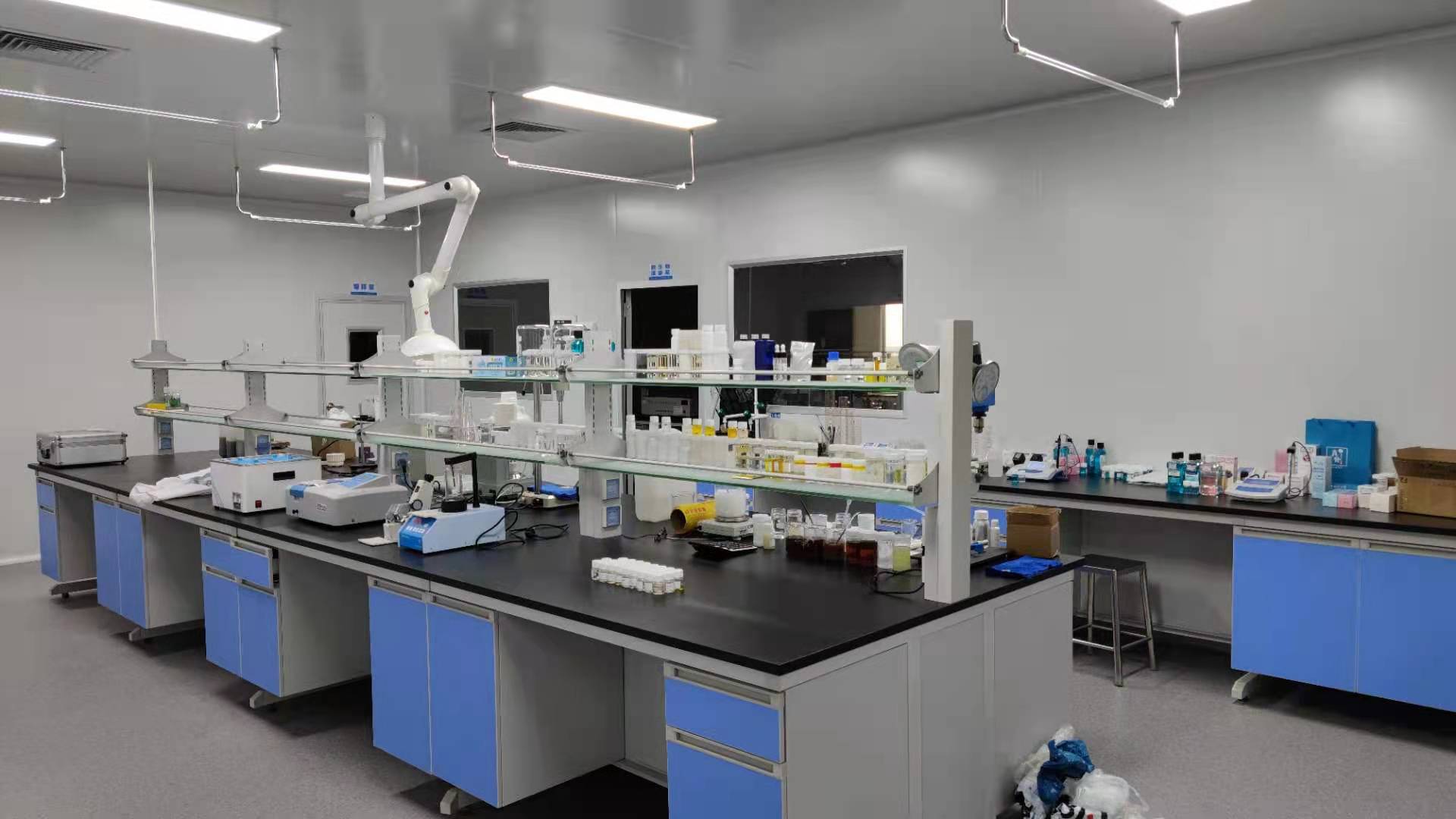
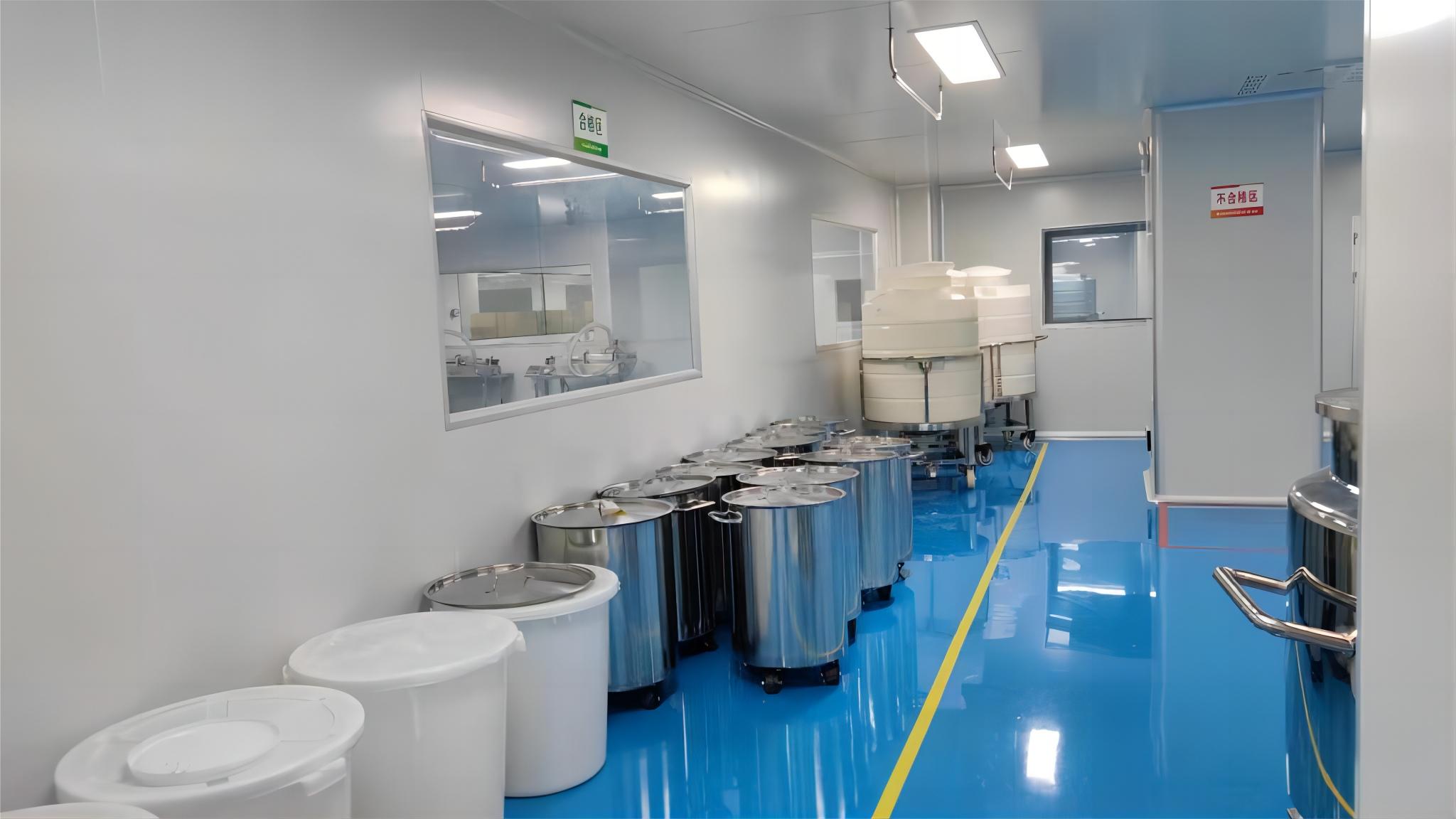
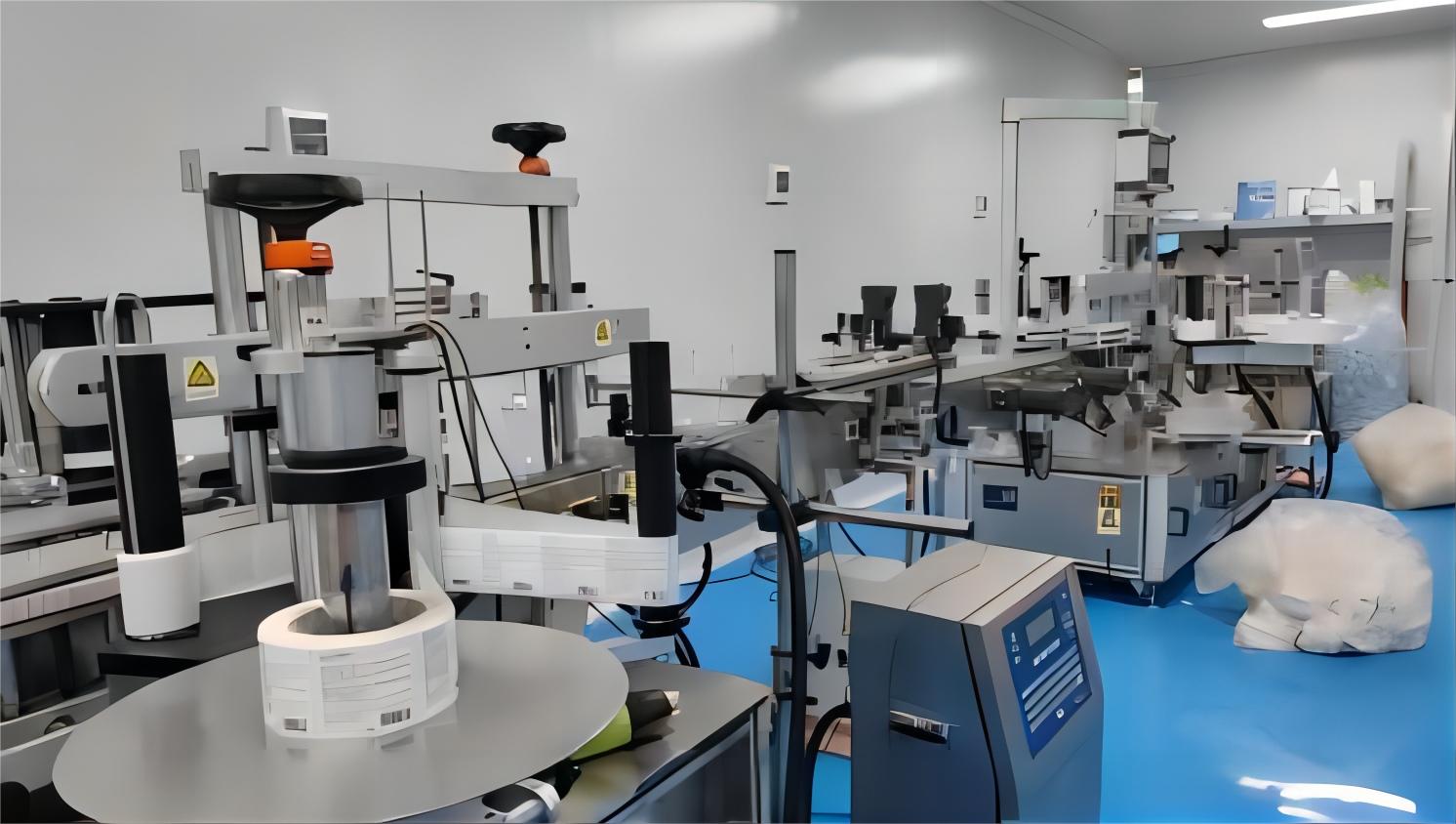
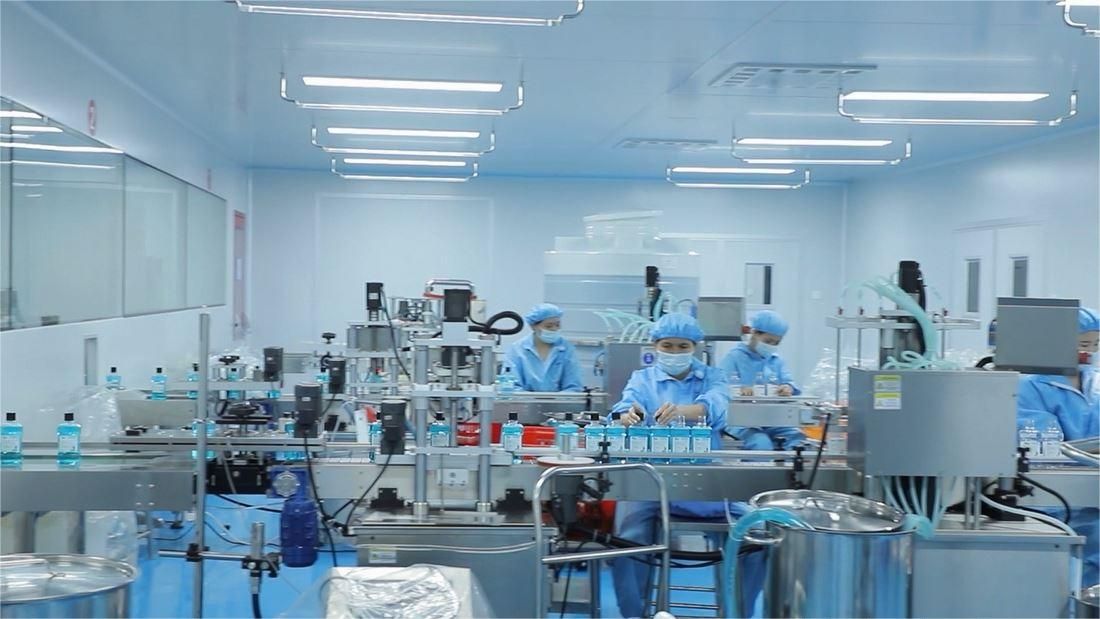
To understand how premium cosmetics are developed at scale, we examine the operations of Shenzhen TPL Beauty Co., Ltd., an industry-standard private label cosmetics manufacturer founded in 2009. TPL Beauty provides a reference framework for evaluating OEM/ODM capabilities in China's advanced manufacturing regions.
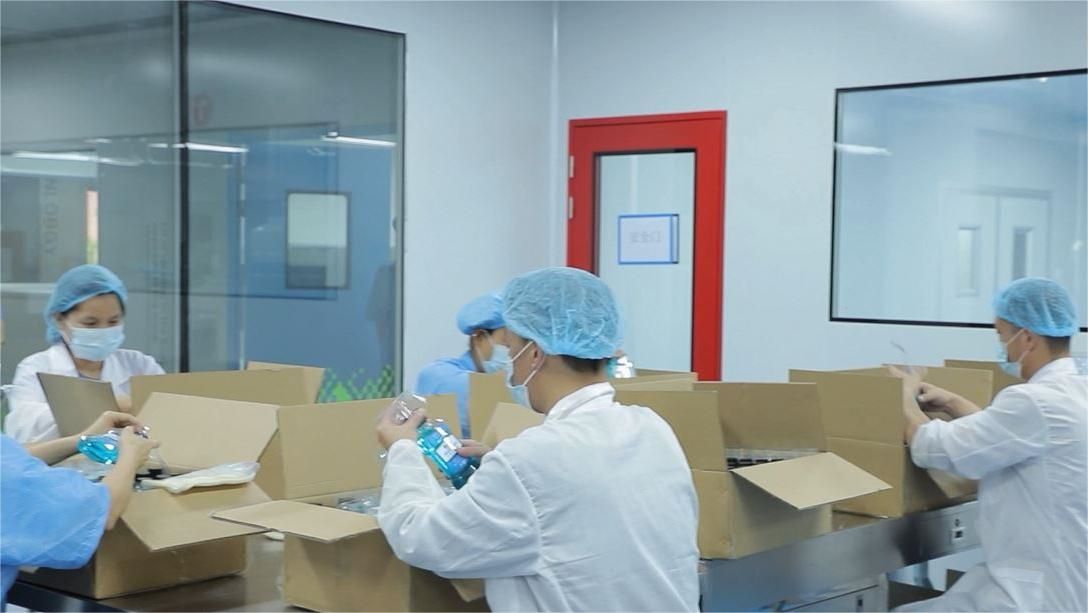
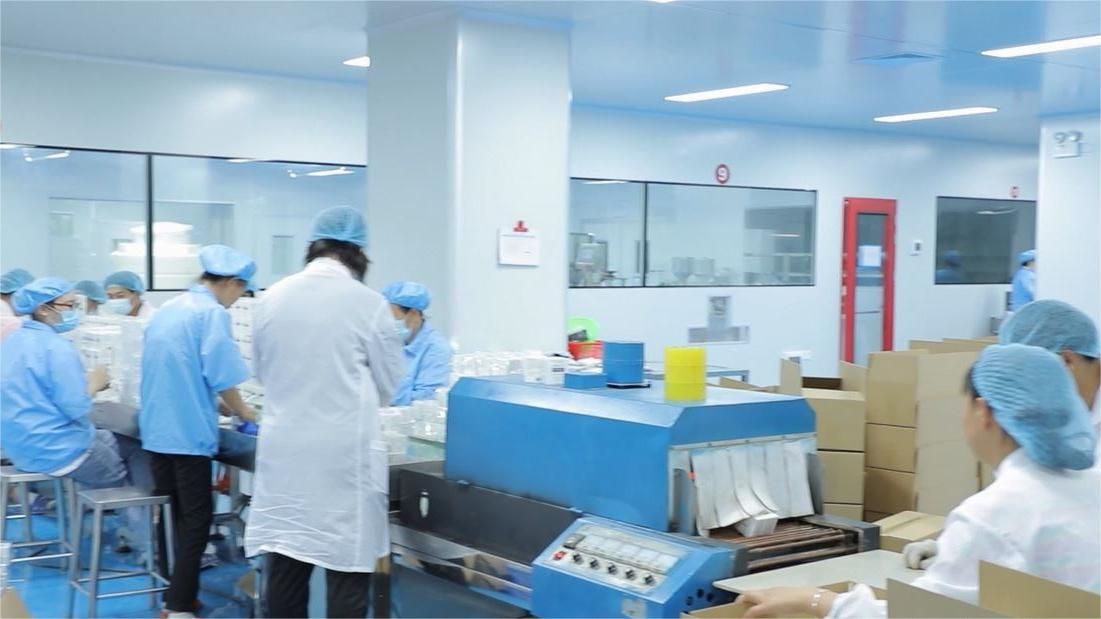
Operating under strict international frameworks including GMPc and ISO 22716 standards, TPL Beauty manages the entire life cycle of color cosmetics. Their research and development labs specialize in adapting formulations to meet complex international standards, such as the EU Cosmetic Regulations, REACH, and FDA guidelines.
Industrial Process Workflows: From Raw Material to Finished Product
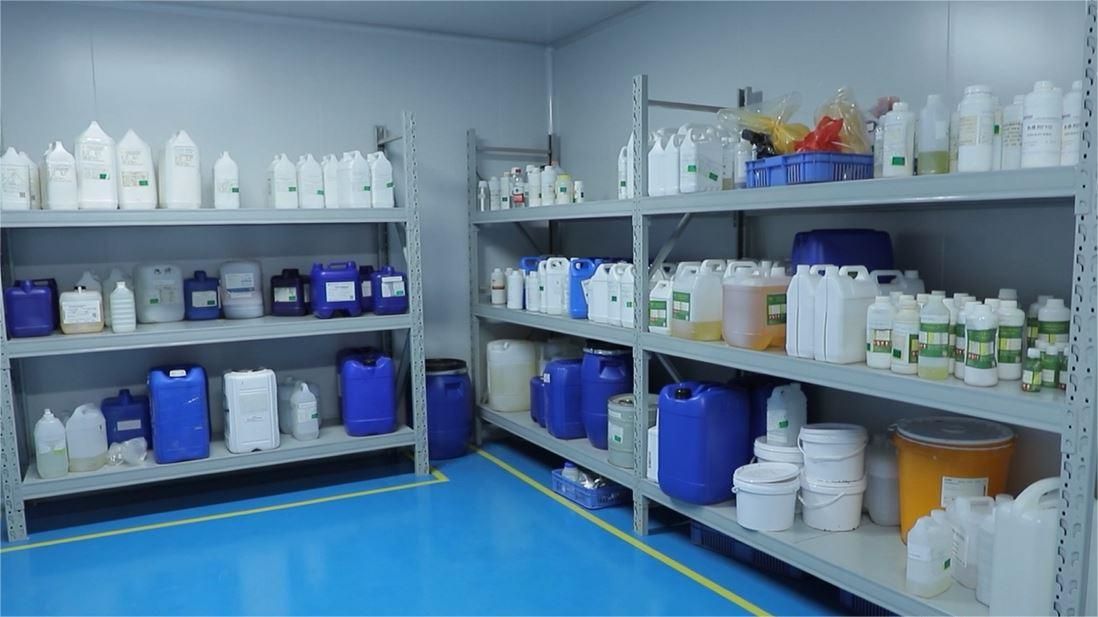
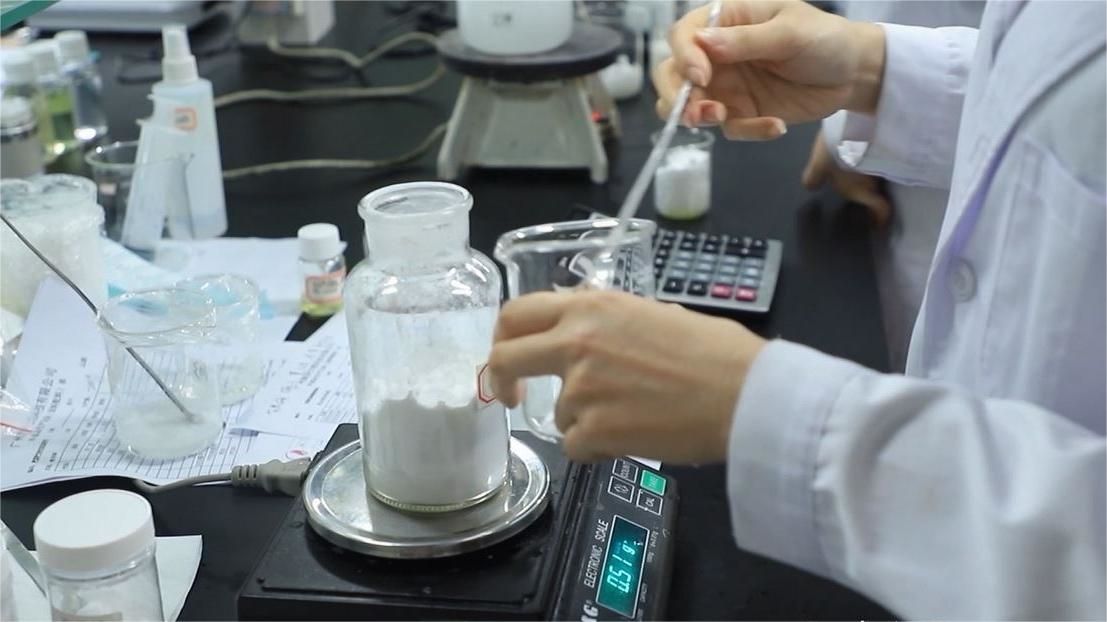
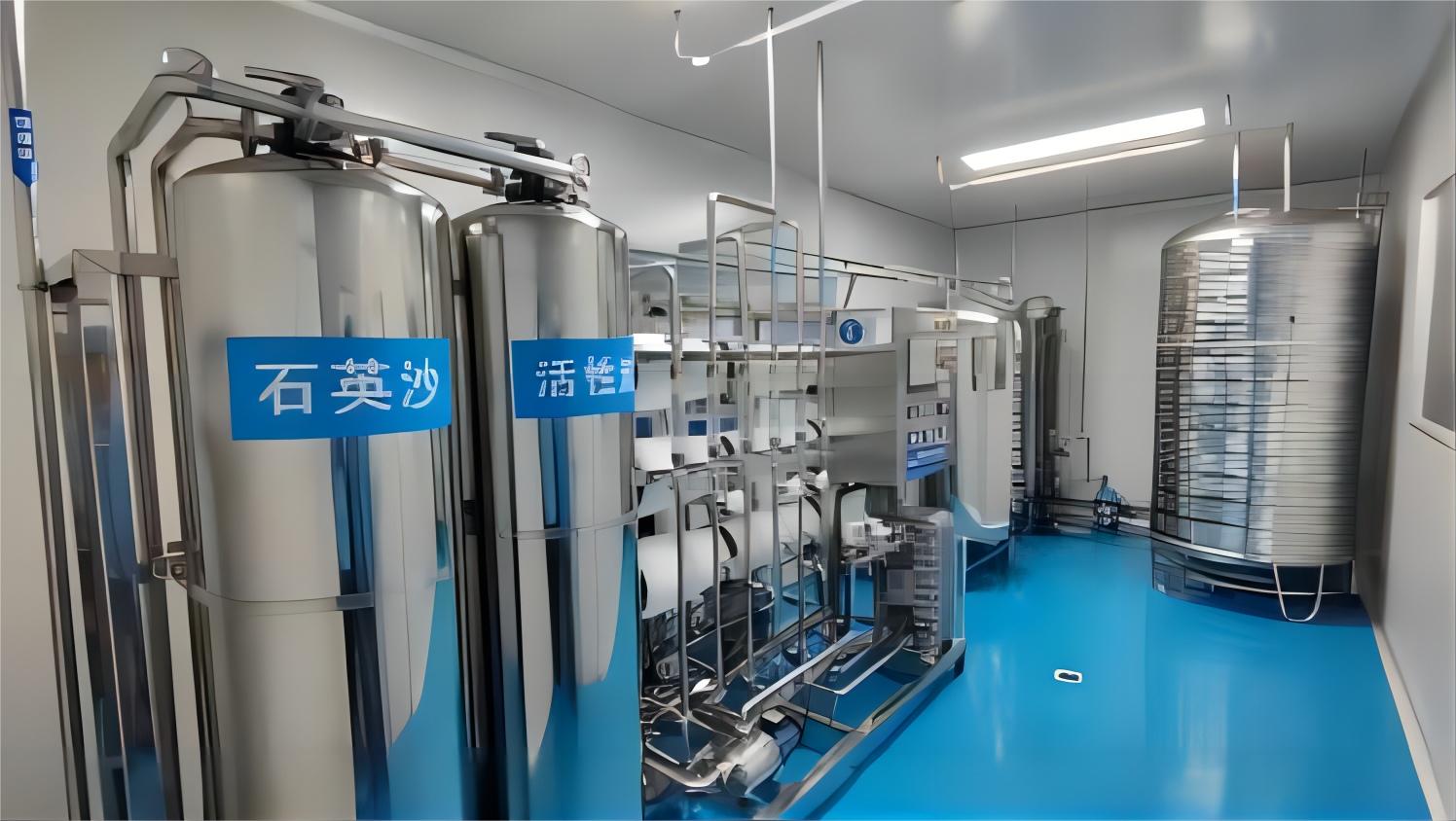
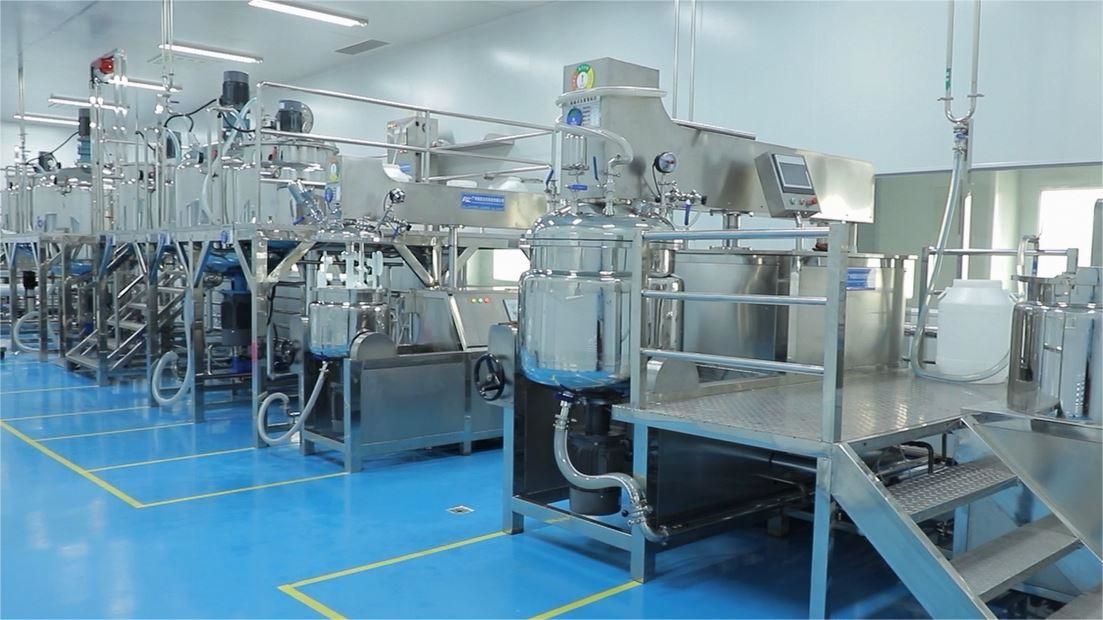
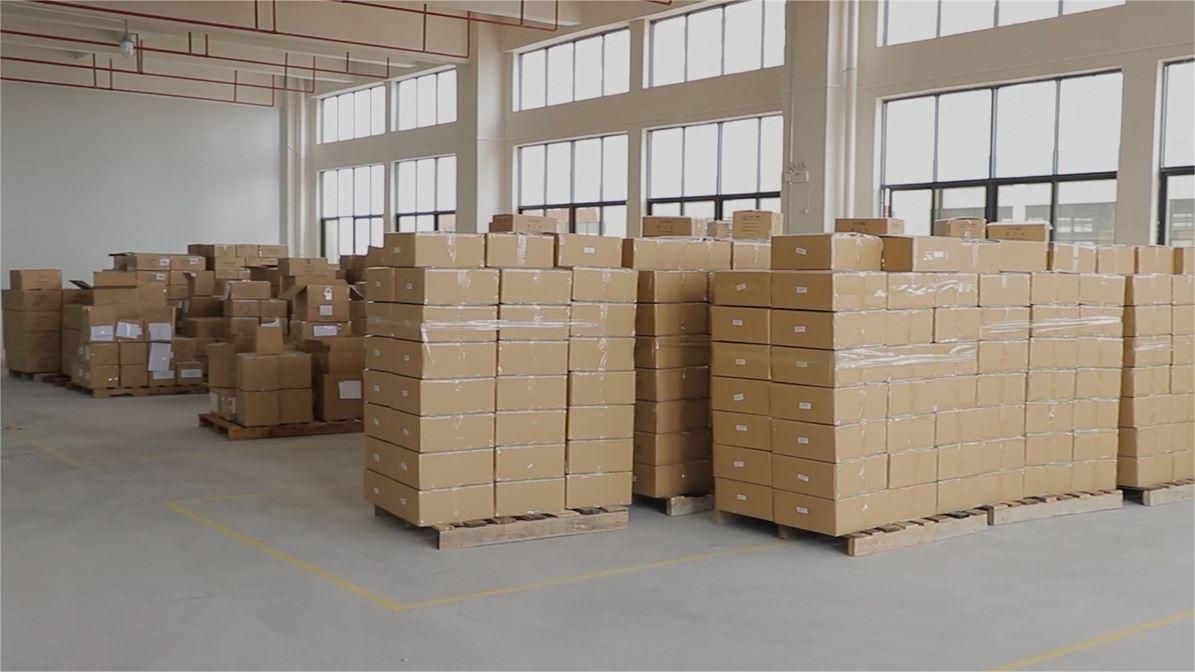
Developing high-uniformity velvety foundations requires precise control over each phase of the supply chain. Below is the 11-step manufacturing process executed within TPL Beauty’s cleanroom facilities:
5. Macro Trends & Localized Application Scenarios
Developing a single formulation for the global market is rarely successful. Brands must adapt their product offerings based on geographic preferences and environmental conditions:
North America: Cruelty-Free, Inclusivity & Shade Breadth
In the United States and Canada, E-E-A-T principles demand transparent ingredient sourcing and verified cruelty-free certifications. Brands must offer comprehensive shade ranges (often exceeding 40 distinct tones) with balanced undertones (cool, warm, neutral). Velvety finish foundations in this region are expected to incorporate active skin-health ingredients, such as niacinamide and plant-derived squalane.
Europe: Regulatory Rigor & Clean Beauty
European cosmetic sales require strict adherence to ECHA (European Chemicals Agency) guidelines under REACH regulations. Formulations must be free of microplastics, specific D4/D5 siloxanes, and parabens. The preferred European velvety foundation is lightweight and breathable, often packaged in eco-friendly or refillable containers to meet local sustainability standards.
Southeast Asia & East Asia: Humidity Resistance & Skin Brightening
In hot, high-humidity regions like Southeast Asia, sweat-proofing and sebum control are essential. Formulations require hydrophobic film-formers, such as Trimethylsiloxysilicate, to prevent melting or transferring. In contrast, the East Asian market prioritizes high Sun Protection Factors (SPF 30-50), lightweight cushion delivery formats, and tone-correcting active ingredients.
Middle East: High-Coverage & High-Temperature Stability
Middle Eastern consumers typically favor high-coverage, long-wear velvet finishes. Because warehouse and transit temperatures can reach extremes, manufacturers must verify formulation stability through intensive freeze-thaw cycle testing (-10°C to +50°C) to prevent phase separation.
6. B2B Selection Blueprint: Evaluating a Velvet Foundation Factory
When choosing a contract manufacturer (OEM/ODM) for a cosmetic brand, quality assurance goes beyond simple cost-per-unit metrics. Sourcing managers should evaluate the following structural capabilities:
1. Regulatory Compliance Documentation
Verify that the factory provides a complete Product Information File (PIF), Material Safety Data Sheets (MSDS), Heavy Metal Analysis, and Microbiological Challenge Test results. Ensure compliance with EU Cosmetic Regulation 1223/2009 and FDA OTC guidelines.
2. Emulsification & Homogenization Technology
High-quality velvet finishes require uniform pigment distribution. Inquire if the facility uses vacuum emulsifiers with variable speed shear (at least 3,000 RPM) to prevent micro-bubbling and separation over time.
3. Minimum Order Quantities (MOQs) & Flexibility
Tier-1 factories typically require 5,000 to 10,000 units per shade. Mid-tier factories that offer flexible MOQ limits (e.g., 3,000 units per run with split shades) allow brands to test new markets with reduced financial risk.
7. Frequently Asked Questions (FAQ) - Velvet Foundation Sourcing
Traditional matte foundations rely on heavy clay mineral powders (like Kaolin or Talc) to absorb all surface oils, which can sometimes result in a dry, flat appearance. Velvet foundations utilize spherical polymers and silicone elastomer networks. This combination diffuses light to reduce shine while retaining a slight internal glow, offering a natural finish with a soft feel.
Factories subject formulation batches to various stability checks, including centrifugal separation tests, high-temperature aging chambers (at 45°C and 50°C for up to 90 days), and cyclic freeze-thaw testing (-10°C to +40°C). These tests ensure the product remains stable during international shipping and variable retail storage conditions.
Because these formulations often contain volatile silicones and active skincare ingredients, they require airtight packaging. Airless pump bottles, glass jars with custom gaskets, or specially lined tubes are recommended to prevent the formula from drying out or oxidizing before use.
Yes. OEM/ODM manufacturers like Shenzhen TPL Beauty offer vegan, mineral-based, and silicone-free alternatives. These rely on plant-derived esters, natural silica, and clean waxes to replicate the performance of synthetic elastomers while meeting major clean beauty standards.
8. Product Catalog & Customization Bases (Catalog Part B)
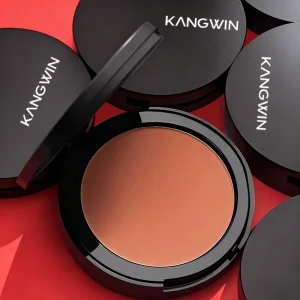
Explore the remaining private label bases. All formulations can be customized for color matching, fragrance profiles, and specific active ingredients to align with your brand's requirements.