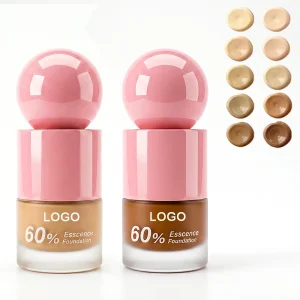
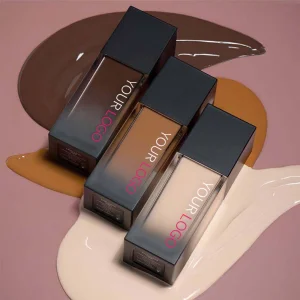
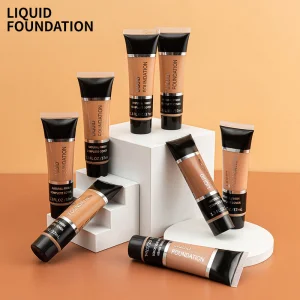
Featured Sourcing Formulations
High-performance base formulations and customizable skin prep creams engineered by global manufacturing networks.
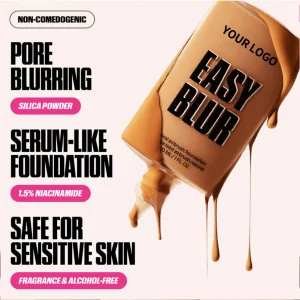
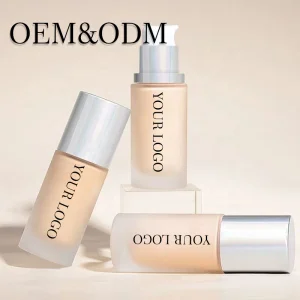
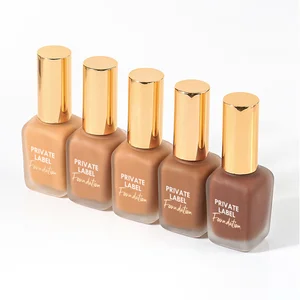
1. Global Eye Cream Sourcing & Procurement Demands
Understanding structural industry trends, consumer paint points, and advanced clinical criteria.
Periocular Skin Complexity
The skin around the eyes is 10 times thinner than the rest of the face, characterized by a lack of sebaceous glands and constant micro-movements. B2B buyers must prioritize formulations with specialized transdermal delivery systems that target dark circles (periorbital hyperpigmentation), dynamic wrinkles, and under-eye puffiness (periorbital edema) without instigating local irritation.
Efficacy-Driven Formulas
Modern clinical brands demand high-potency ingredients with scientifically validated track records. Procurement targets include peptide complexes (acetyl tetrapeptide-5, palmitoyl pentapeptide-4), caffeine vectors, encapsulated retinols, and plant-derived stem cells. Manufacturers must ensure bio-availability and ingredient stability across shelf life.
Sourcing Safeguards
As global clean beauty directives gather pace, contract manufacturers must comply with strict raw-material guidelines. This includes cruelty-free documentation, vegan certifications, non-comedogenic profiling, and ophthalmologist-tested standards to mitigate toxicological hazards for consumers wearing contact lenses or possessing sensitive skin.
SEO Insights & Market Intelligence: Search intent data reveals a 45% YoY increase in B2B queries related to "clean clinical eye cream manufacturing" and "ophthalmologist-tested contract packaging." Brands that supply transparency certificates along with their chemical MSDS and COA (Certificate of Analysis) are closing contract cycles 30% faster.
2. Macro Industry Solutions & Technical Roadmaps
The technological landscape driving advanced manufacturing processes, stability control, and clean packaging systems.
Advanced Emulsification
High-shear and cold-process emulsification techniques protect thermo-sensitive active compounds like vitamin C derivatives and botanical enzymes. Modern plants utilize closed-loop vacuum emulsifiers to prevent aeration, guaranteeing long-term emulsion stability and smooth, micro-fine texture consistency.
Active Delivery Matrix
To maximize active penetration without disrupting the delicate stratum corneum, factories deploy liposomal encapsulation, solid lipid nanoparticles (SLNs), and polymeric micro-sponges. These technologies enable a sustained, time-released mechanism, reducing skin irritation profiles.
Sustainable Airless Packaging
Preservative-free or low-preservative eye creams require specialized, high-barrier packaging. Factories offer airless pump assemblies, metal/ceramic cooling applicator tips, and PCR (Post-Consumer Recycled) single-material pumps to align with the circular economy targets of international brands.
3. Featured Enterprise: Shenzhen TPL Beauty Co., Ltd.
Professional Private Label Cosmetics Manufacturer - ISO 22716 & GMPc Certified Production Hub
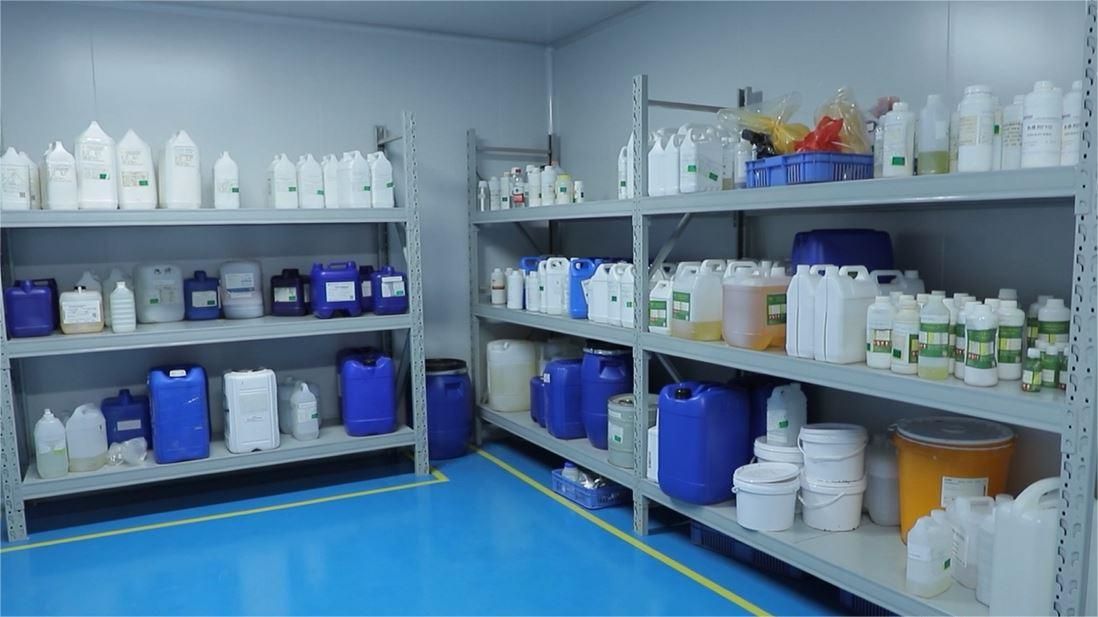
Raw Material
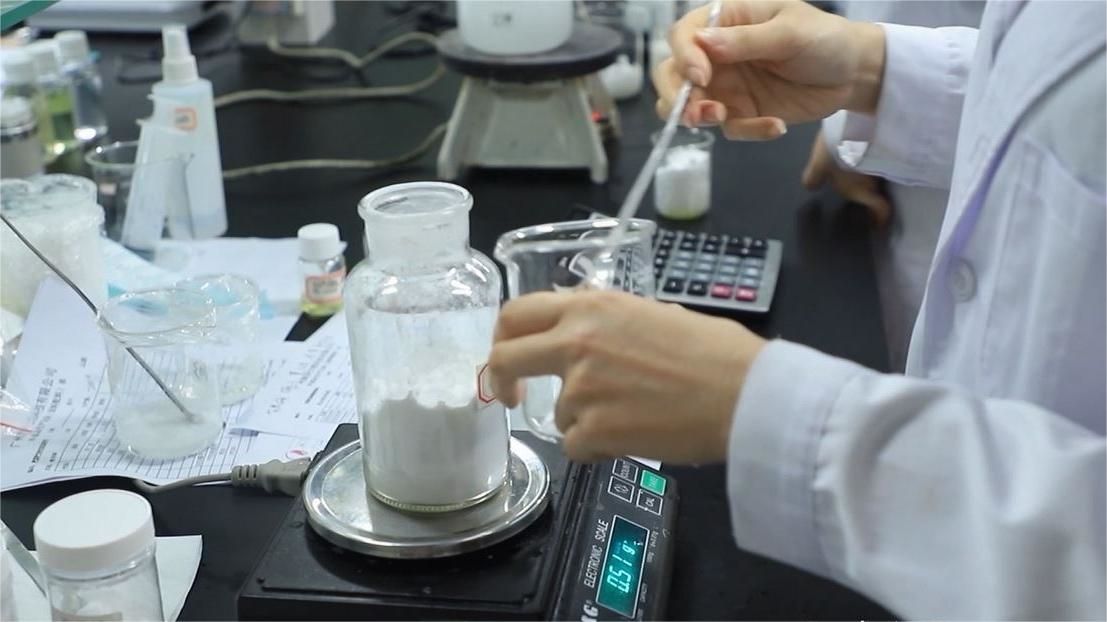
Weighing Ingredients
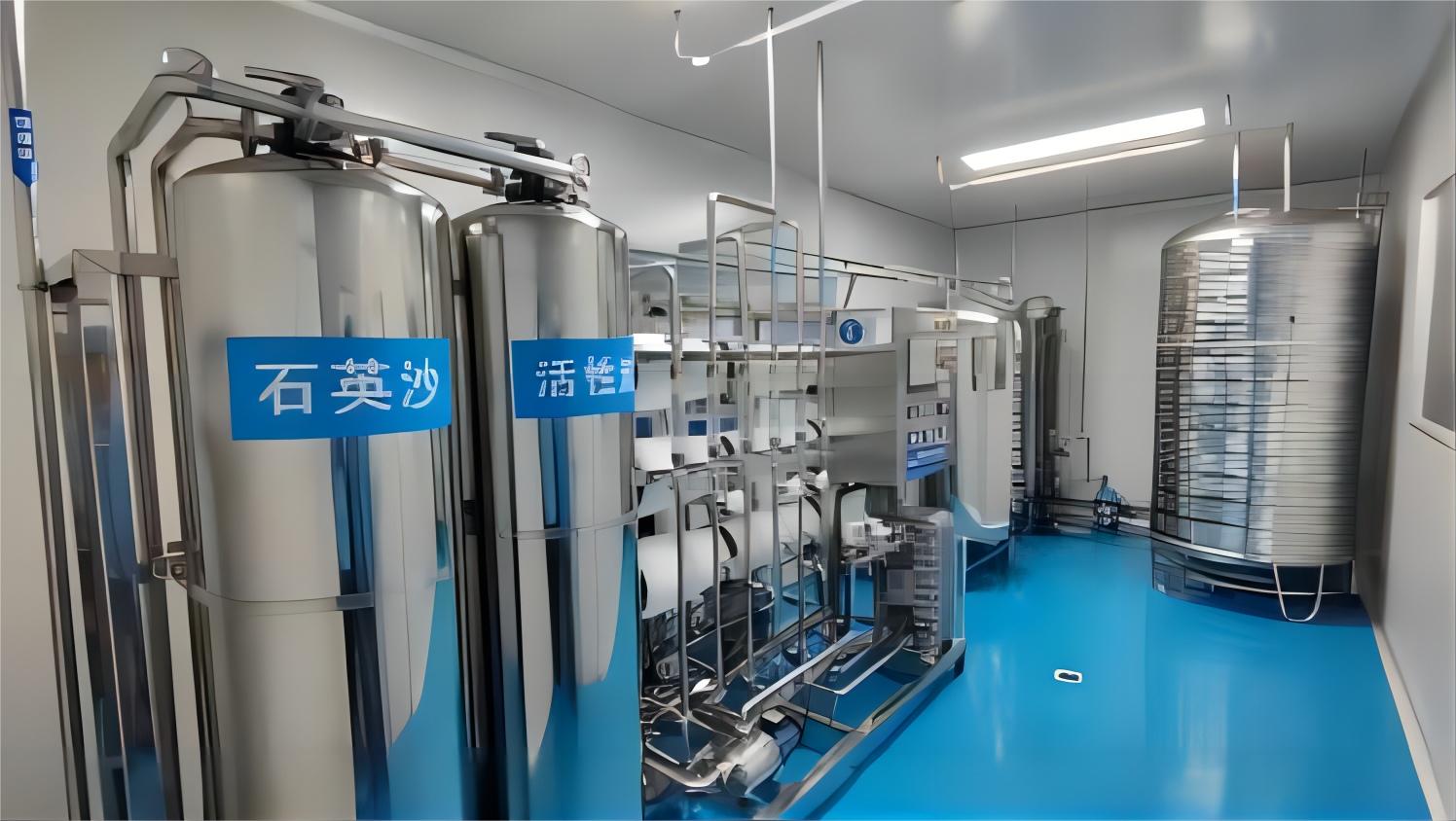
Pure Water Processing
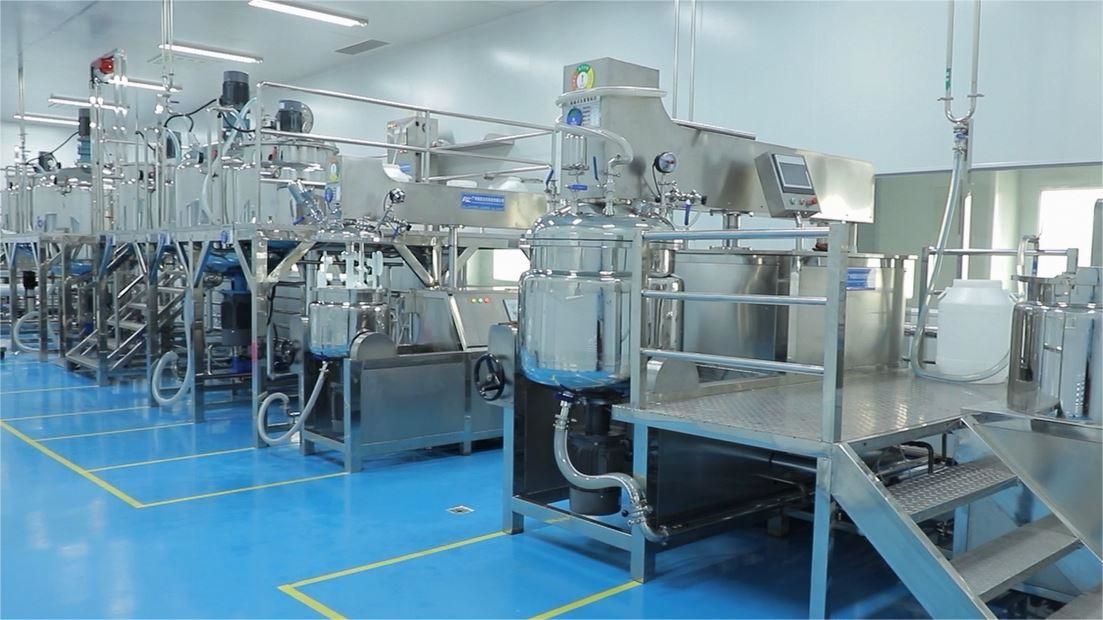
Emulsifying System
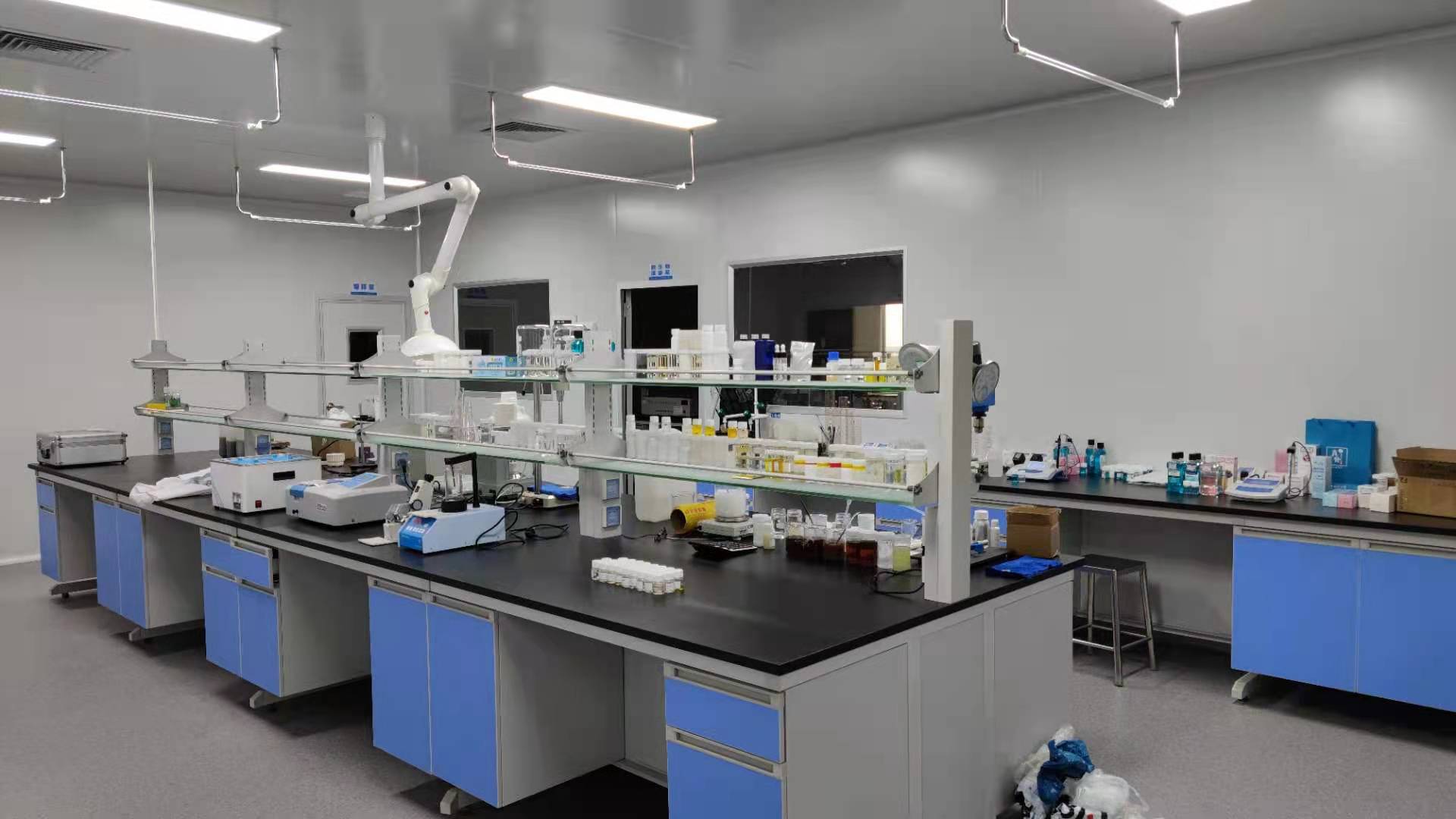
Strict Testing & Lab QC
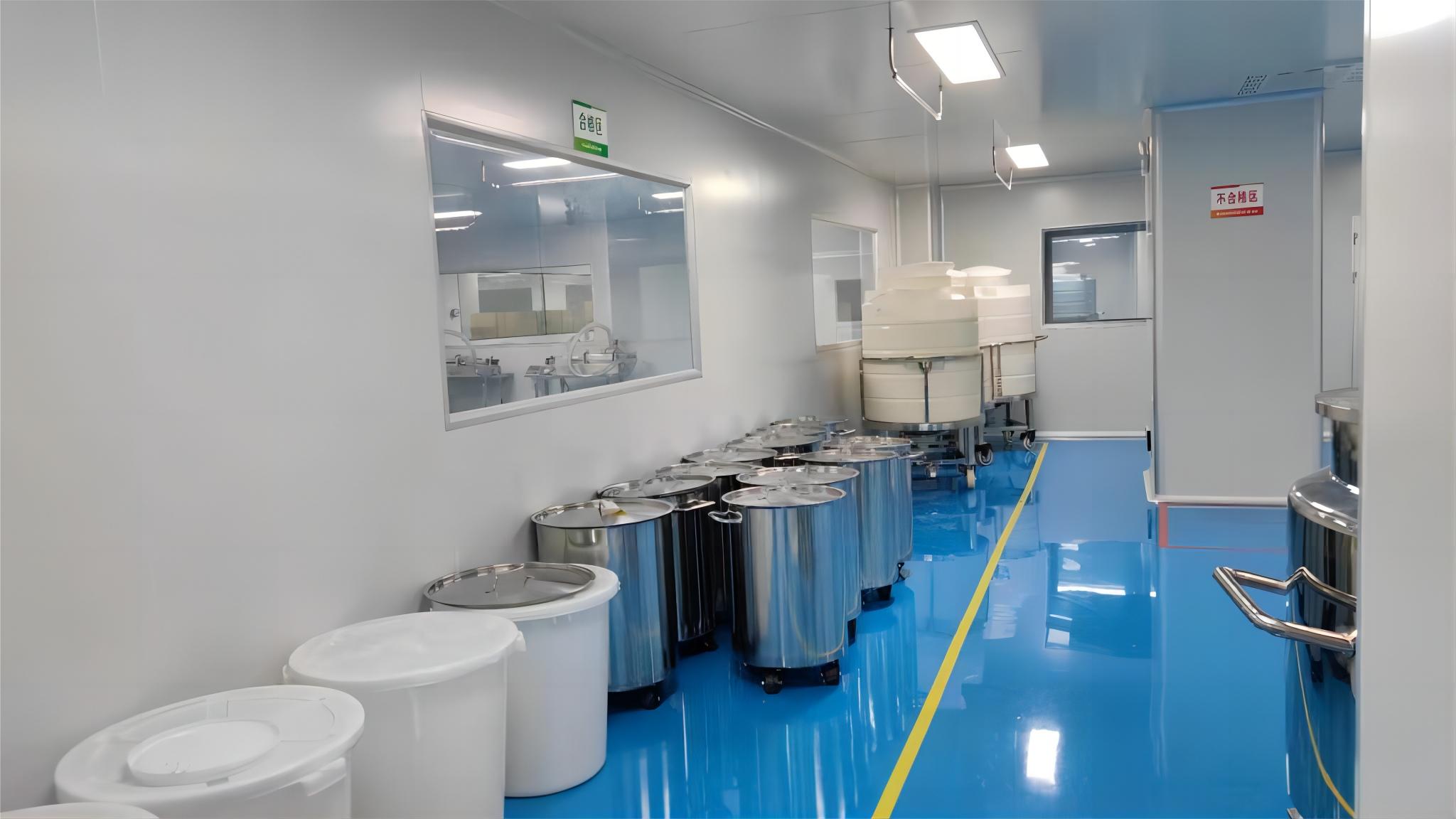
Standing & Maturing
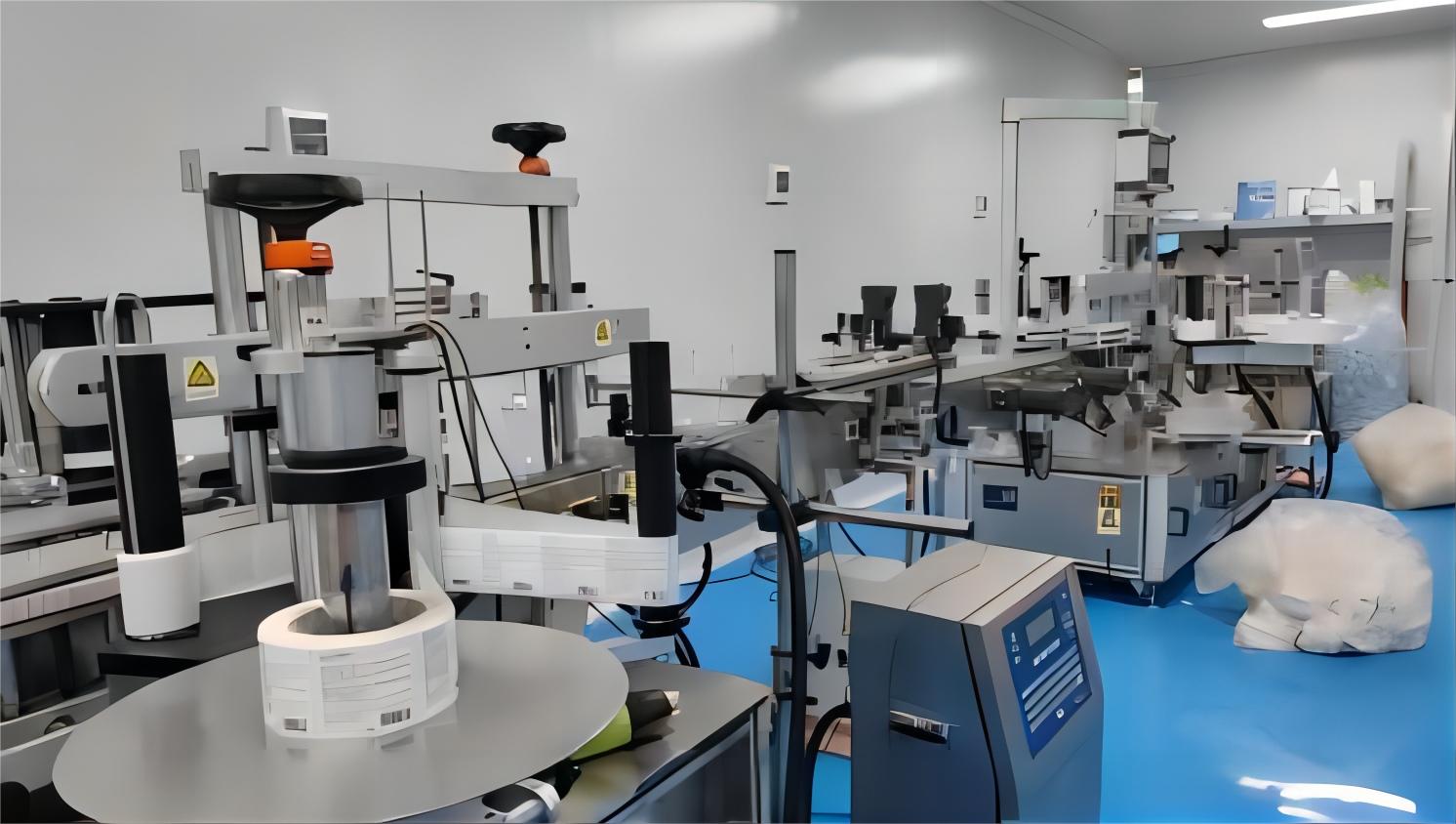
Coding & Traceability
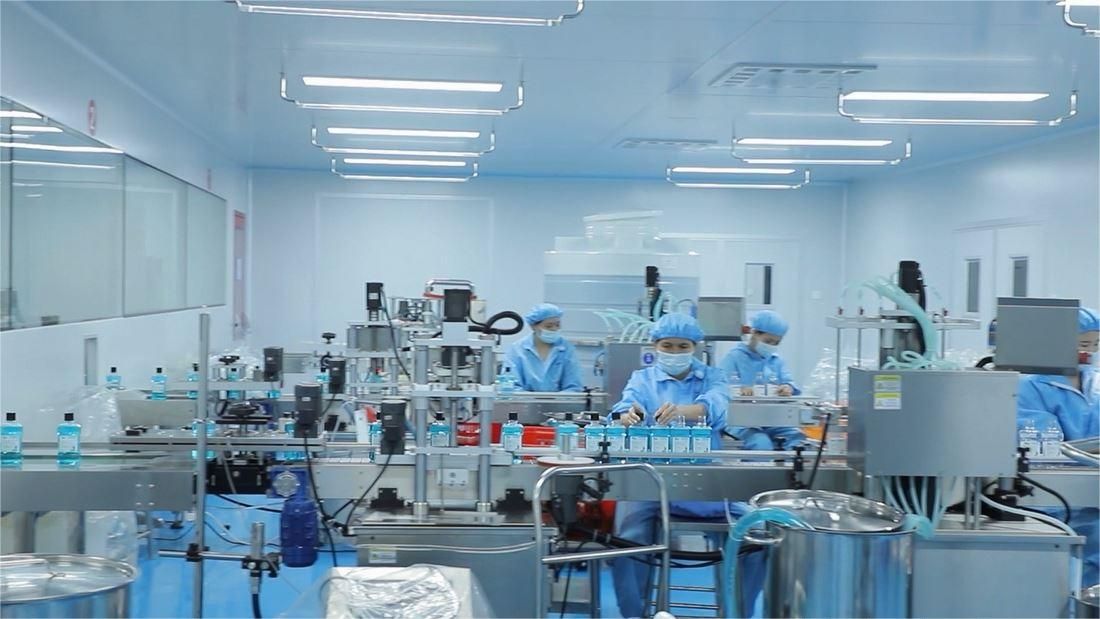
Emulsion Filling
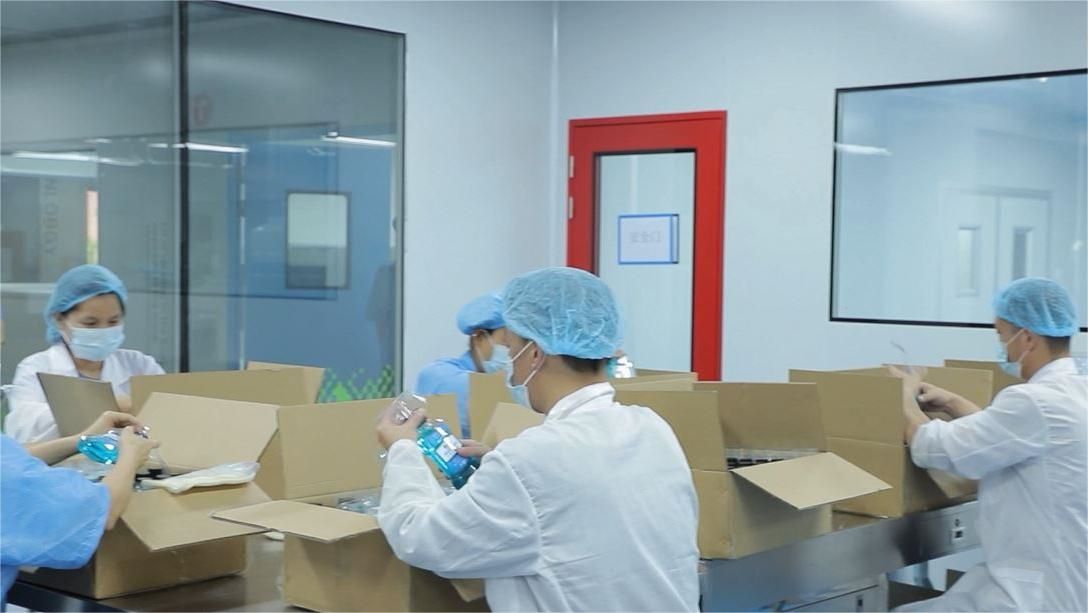
Final Inspecting
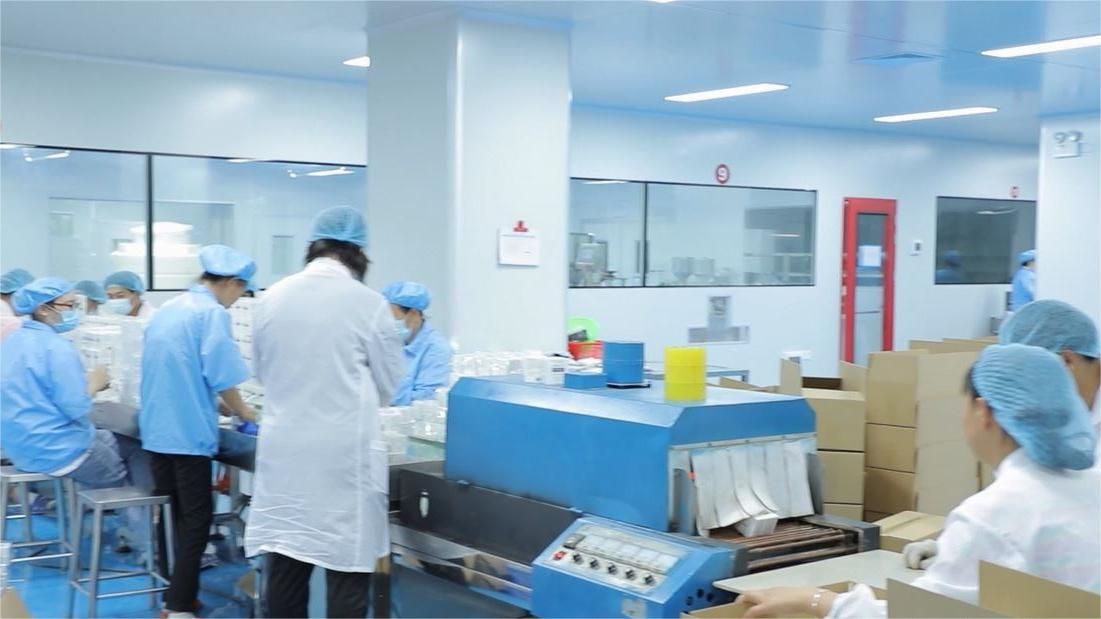
Finished Packing
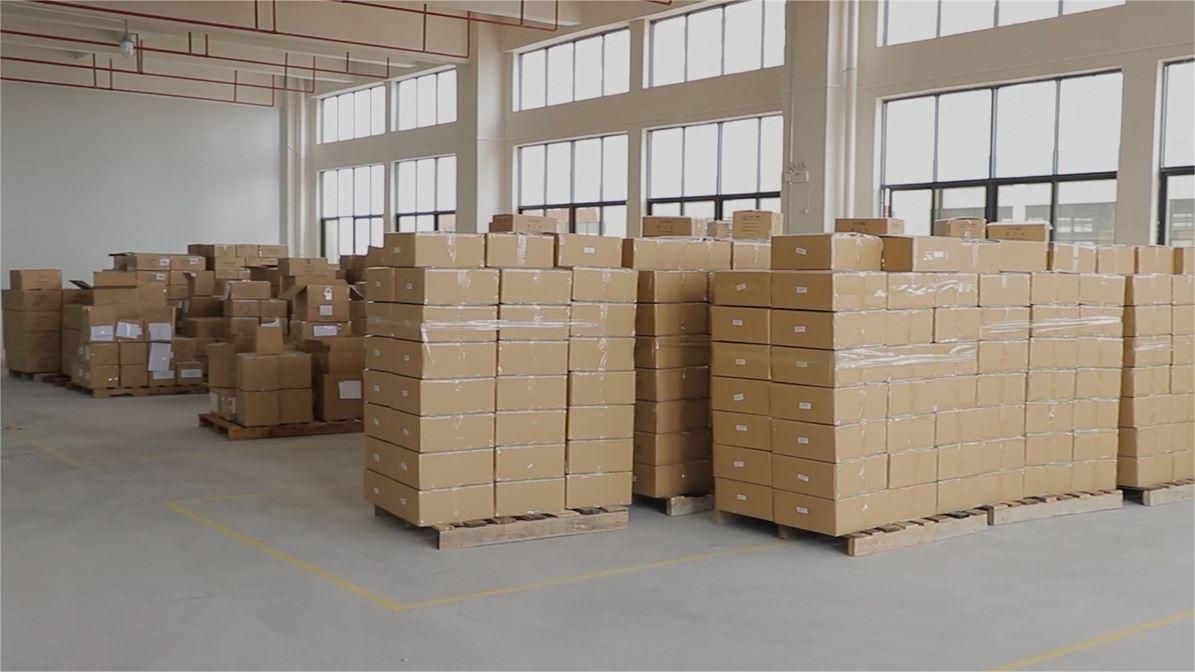
Packed Production & Global Shipping
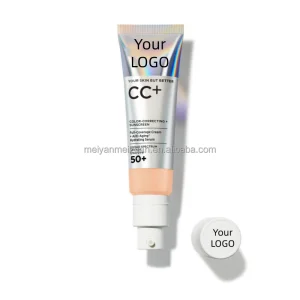
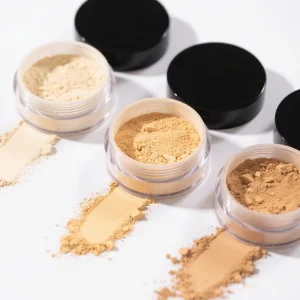
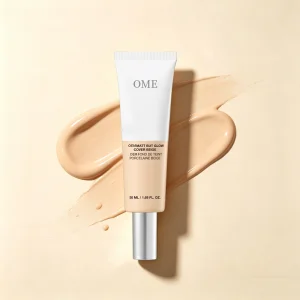
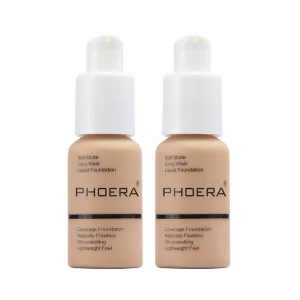
Product Portfolio & Capabilities: TPL Beauty's product portfolio covers a wide range of makeup and skincare categories, including eyeshadow palettes, lipsticks, lip glosses, liquid lipsticks, foundations, concealers, blushes, highlighters, bronzers, mascaras, eyeliners, eyebrow products, setting powders, and other innovative beauty solutions. From concept development and formula design to packaging customization and mass production, we provide comprehensive OEM/ODM services tailored to meet diverse market demands.
Global Quality Compliance: With extensive experience serving customers across North America, Europe, the Middle East, Southeast Asia, and other international markets, TPL Beauty maintains a deep understanding of global cosmetic regulations and quality standards. All formulations comply with relevant international requirements, including EU Cosmetic Regulations, REACH, FDA guidelines, and California Proposition 65. Complete documentation support includes product testing reports, safety assessments, MSDS, ingredient documentation, and regulatory filing assistance. The manufacturing facility operates under strict quality management systems and is certified with GMPc and ISO 22716 standards.
4. Global Commercial Landscapes & Supply Chain Resilience
Key criteria to evaluate when selecting high-performance, compliant cosmetics manufacturing networks.
Quality Infrastructure
B2B procurement agents should audit facilities on their cleanroom classification (e.g., ISO Class 7 or 8), water purification methods (Reverse Osmosis + Electrodeionization), and batch tracking technologies. Full visibility into ingredient source chains ensures compliance with strict regulatory regimes.
Regulatory Proofing
With the Modernization of Cosmetics Regulation Act (MoCRA) in the US and the Cosmetic Products Notification Portal (CPNP) in Europe, working with factories that compile safety dossiers, carry out heavy metal profiling, and run preservative challenge testing (USP <51>) is crucial.
Agile Logistics
Supply chain shocks necessitate optimized factory partners capable of managing lead times, utilizing reliable freight forwarders, handling customs documentation, and offering flexible MOQ (Minimum Order Quantity) structures for high-demand product launches.
5. Localization Support & Compliance Assurance
Providing localized solutions, chemical safety assessments, and rapid market entry protocols.
B2B Sourcing Q&A (FAQ)
Answers to critical questions regarding cosmetics OEM/ODM manufacturing, testing, and formulations.
Additional Cosmetics & Base Formulations
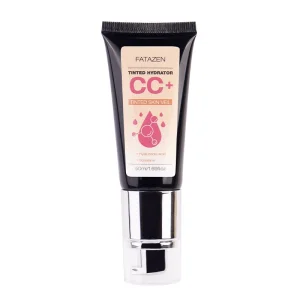
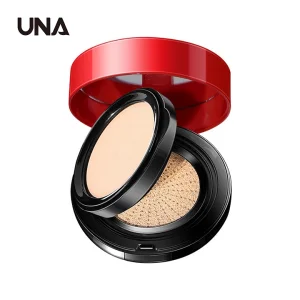
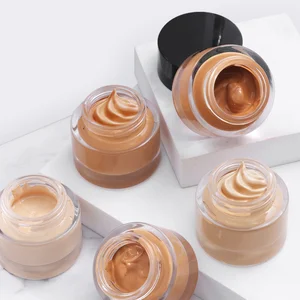
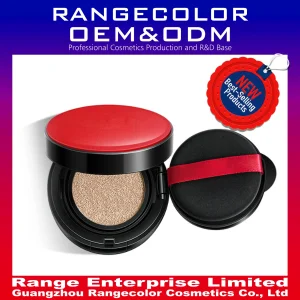
Explore high-coverage foundations, cc creams, and setting formulas suitable for global distribution.