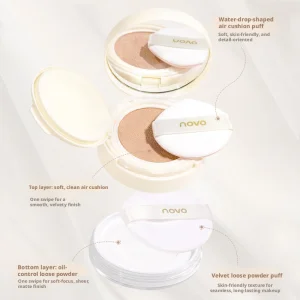
Featured Cruelty-Free Base Formulations
Pioneering clean, vegan, and high-performance Private Label cosmetics engineered for global compliance.
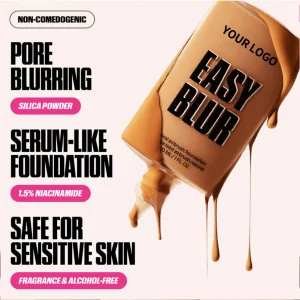
Customized logo High Quality Vegan Waterproof Matte Moisturizer Liquid Foundation Full Coverage Natural Airbrush Foundation
Inquire & Source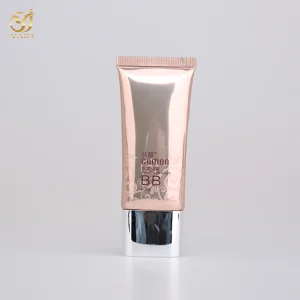
Long-Lasting Bb Cream Skin Tone Adjustment Bb Cream Bb Cream With Sun Protection
Inquire & Source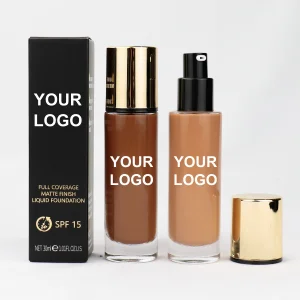
Custom Logo Vegan Waterproof Long Lasting Foundation Full Coverage Private Label Liquid Dewy Foundation for Dark Women
Inquire & Source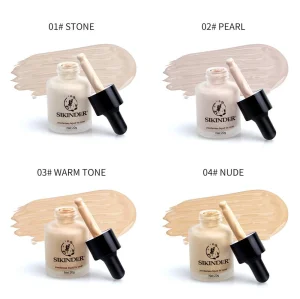
GUANGZHOU OEM Moisturizing & Whitening Liquid Foundation Private Label Makeup Powder Wholesale Low Price
Inquire & Source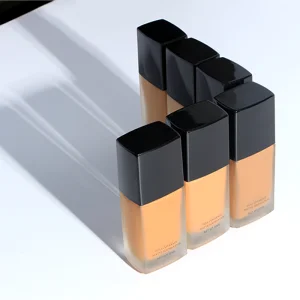
Liquid Foundation Medium Coverage Suitable for All Skin Types Long-lasting Moisturizing Moisture Liquid Foundation Makeup
Inquire & Source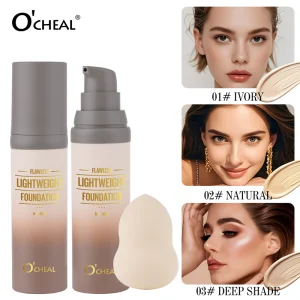
High Quality Full Coverage Concealer Cream Waterproof Matte Foundation 40ml with Makeup Eggs
Inquire & Source
Sunscreen Tinted Lip Balm Moisturizer SPF 30 50 70 100 GMP OTC Drug
Inquire & Source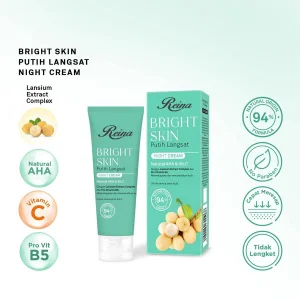
23. Tinted Sunscreen Facial Moisturizer SPF 15 OTC Drug GMP
Inquire & Source1. The Strategic Paradigm Shift in Global Cruelty-Free Cosmetics Sourcing
The global beauty market is undergoing a seismic structural transition. Brands are no longer evaluating cosmetic manufacturers solely on cost-per-unit metrics. Today, the defining parameters are regulatory compliance, ethical traceability, and formulation innovation. "Cruelty-free" has transitioned from a niche marketing claim to a non-negotiable B2B baseline. This evolution is heavily driven by shifting consumer sentiment and legislative updates across major global economies.
For procurement officers, brand managers, and B2B beauty entrepreneurs, navigating the landscape of cruelty-free makeup manufacturers demands a comprehensive understanding of raw material supply chains, third-party verifications (such as PETA, Leaping Bunny, and CCF), and alternative testing protocols. When selecting a manufacturing partner, enterprises must assess how well the supplier's research & development divisions can formulate high-performance products without resorting to animal-based ingredients or animal testing at any stage of the lifecycle.
2. Key Global Industry Trends Shaping Cruelty-Free Beauty
Understanding these macro developments allows global beauty enterprises to plan inventory, design product roadmaps, and choose the correct production partners:
A. The Intersection of Clean Science and Vegan Formulations
Modern consumers demand clean formulas that exclude parabens, sulfates, phthalates, and synthetic fragrances, while remaining 100% vegan and cruelty-free. This convergence requires advanced biochemical expertise from cosmetics manufacturers. Replacing animal-derived emulsifiers, stabilizers, and colorants (such as carmine derived from cochineal insects or squalene sourced from shark liver) requires high-tech, bio-engineered plant alternatives like olive-derived squalane and synthetic mica.
B. Regulatory Mandates and Alternative Testing Protocols
With the implementation of the Modernization of Cosmetics Regulation Act (MoCRA) in the United States and stricter REACH regulations in Europe, manufacturing facilities must demonstrate robust chemical safety assessments. Cruelty-free compliance requires utilizing cutting-edge *in vitro* testing, computer modeling (in silico), and human clinical trials to establish toxicological profiles. Manufacturers must maintain a fully transparent Ingredient Information File (IIF) for every batch produced.
"The modern B2B sourcing paradigm requires that safety tests be conducted via reconstructed human epidermis (RHE) models rather than animal models, guaranteeing both ethical validation and highly predictive human skin compatibility."
3. Global Corporate Procurement Needs: Rigorous Compliance and ESG Mandates
Enterprise-level beauty brands operating in North America, Europe, and Asia-Pacific require supply partners that do more than mix formulas. Corporate procurement demands robust compliance networks that fit into modern Environmental, Social, and Governance (ESG) frameworks:
- Certifications & Auditing: Facilities must be certified under GMPC (Good Manufacturing Practice for Cosmetics) and ISO 22716. Third-party supply chain audits (such as Sedex SMETA or EcoVadis) are increasingly required by major global retailers (Sephora, Target, Boots).
- Raw Material Provenance: A manufacturer must supply clear Declarations of Conformity, verifying that no raw material supplier in their network utilizes animal testing. This includes providing complete material safety data sheets (MSDS) and certificates of analysis (COA) for all cosmetic ingredients.
- Regulatory Clearance for Diverse Markets: Formulations must be ready for compliance across various jurisdictions. This includes FDA compliance in the US, compliance with EU Cosmetics Regulation (EC) No 1223/2009, and China's CSAR (Cosmetic Supervision and Administration Regulation) framework.
4. Chinese Factory 4.0: Supply Chain Resilience & Cost-Efficiency Advantages
China's beauty manufacturing industry has shifted from low-cost assembly to high-tech, automated, and digitally integrated production. The "Factory 4.0" model, pioneered by manufacturers in specialized tech hubs like Shenzhen and Guangzhou, delivers unparalleled competitive advantages to international brand owners.
A. Integrated Raw Material Clusters
By locating operations in industrial hubs like Shenzhen, manufacturers operate within close proximity to major packaging developers, raw material chemical plants, and high-speed logistics terminals. This concentration lowers domestic transport costs, reduces lead times for custom mold creations, and minimizes carbon footprints during production phases.
B. Advanced Automation & Quality Control
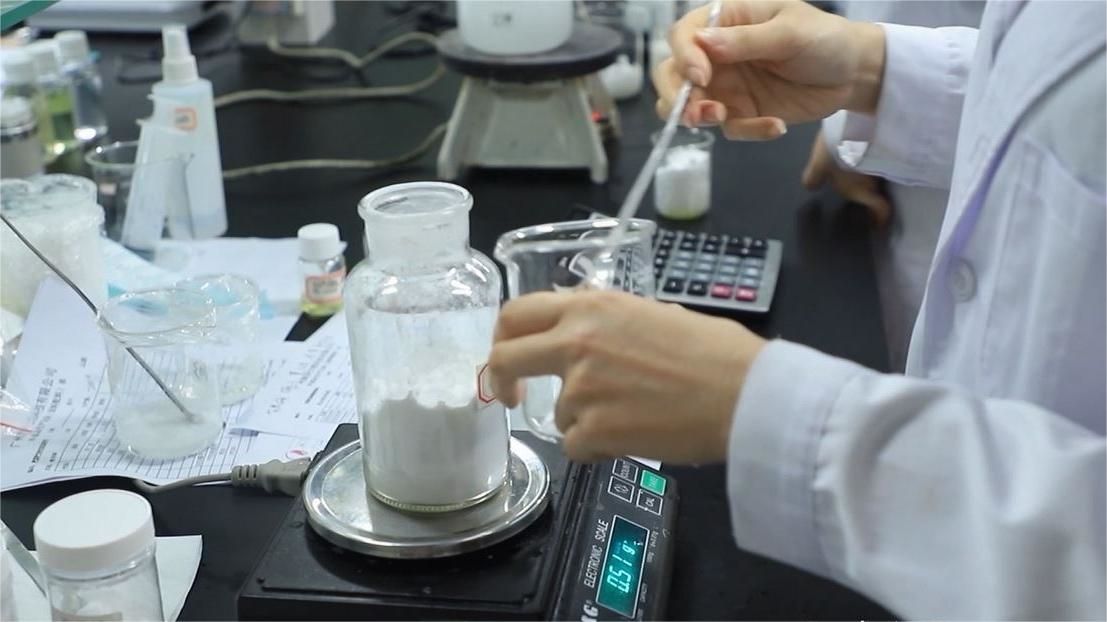
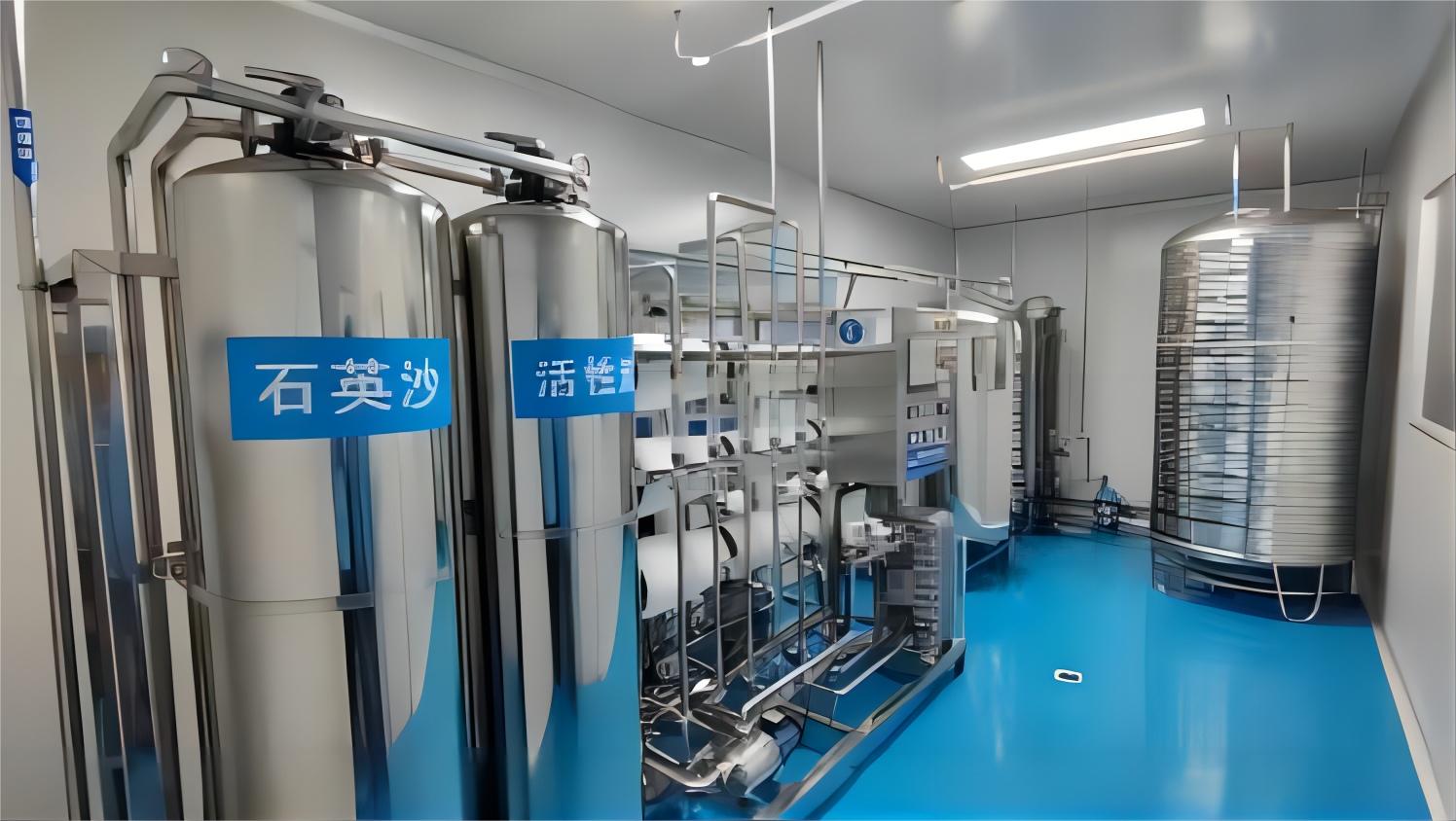
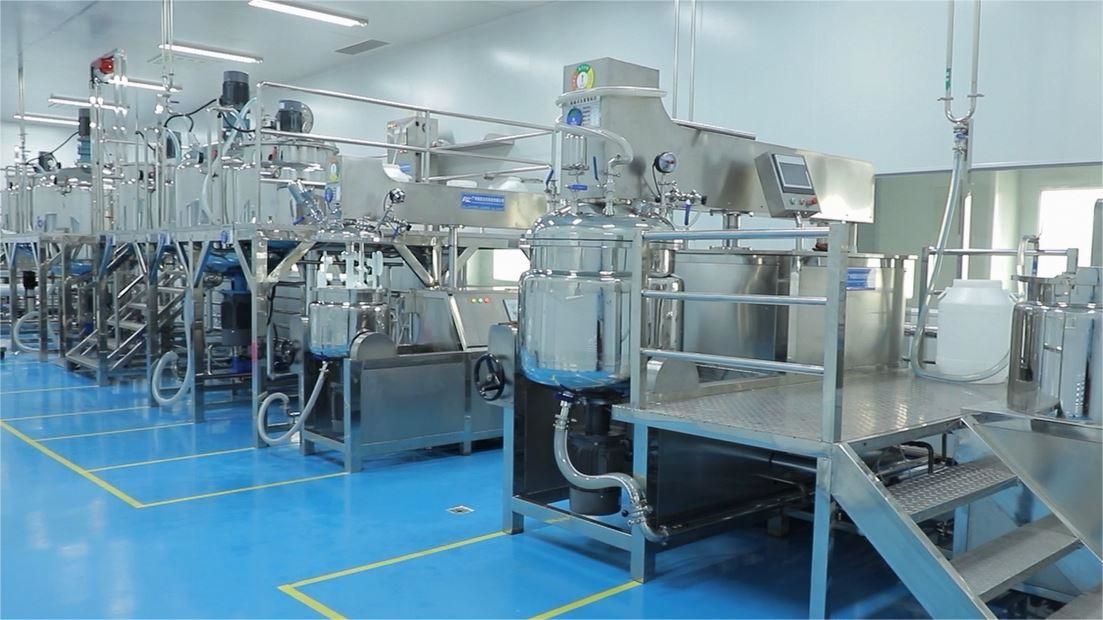
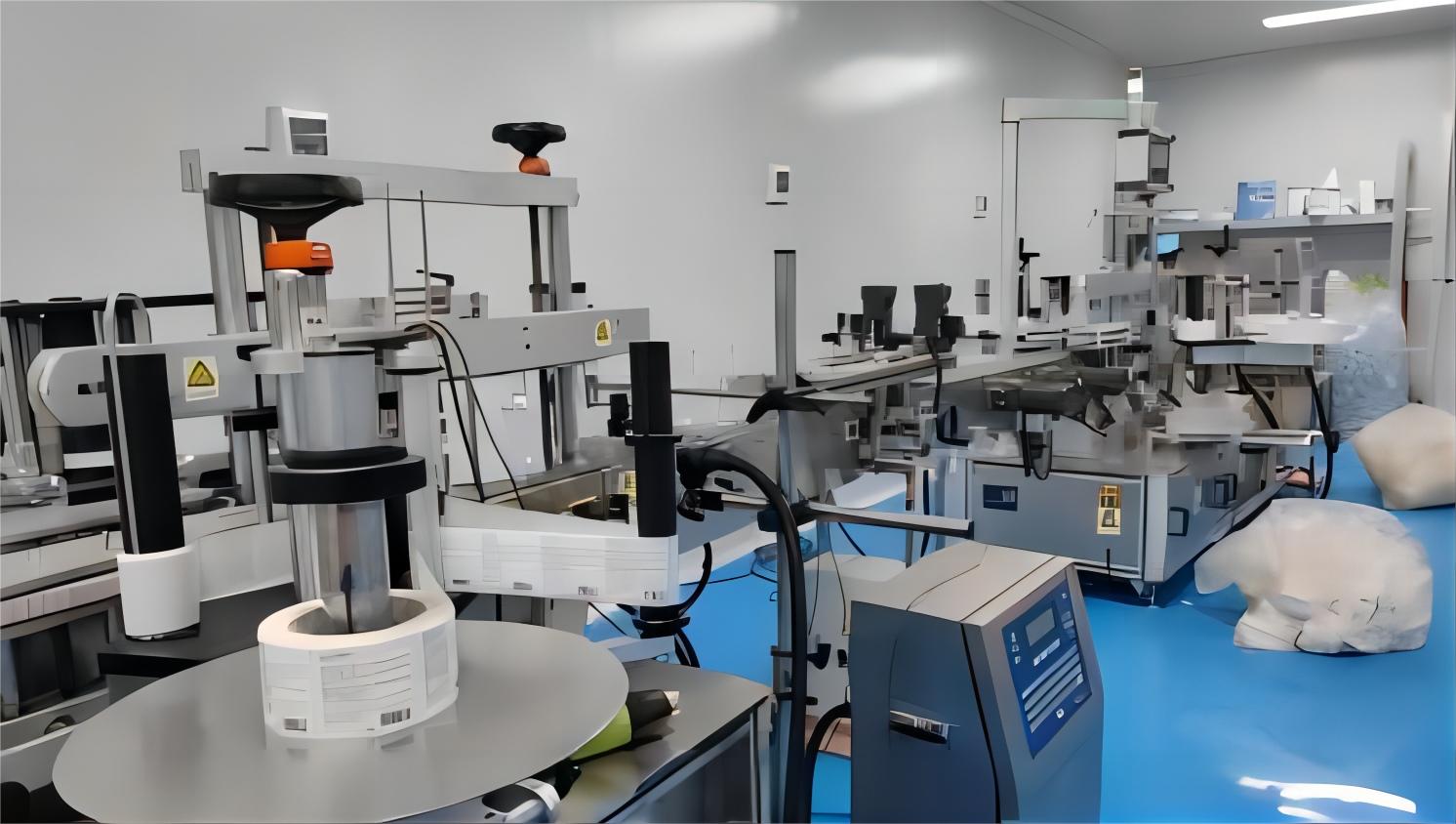
Chinese Factory 4.0 facilities utilize automated weighing, emulsifying, and filling systems that minimize human error. Advanced secondary reverse osmosis (RO) water purification units ensure that the base of every liquid foundation, moisturizer, or toner is free from microbes and heavy metals. Automated optical inspection (AOI) lines quickly identify cosmetic defects in packaging and labeling, keeping defect rates under 150 PPM (parts per million).
C. Agility and Scaling Capacity
With modular production lines, these facilities can quickly scale production from initial pilot batches (e.g., 3,000 units for indie brands) to mass production (e.g., 100,000+ units for major retailers) within 15 to 25 business days. This agility helps brands adapt to viral social media trends and market shifts without carrying excessive inventory.
5. Shenzhen TPL Beauty Co., Ltd.: A Deep-Dive into Professional OEM/ODM Sourcing
Founded in 2009, Shenzhen TPL Beauty Co., Ltd. is a professional full-service private label cosmetics manufacturer specializing in the research, development, production, and customization of high-quality color cosmetic products for global beauty brands, distributors, retailers, and e-commerce businesses.
Our product portfolio covers a wide range of makeup categories, including eyeshadow palettes, lipsticks, lip glosses, liquid lipsticks, foundations, concealers, blushes, highlighters, bronzers, mascaras, eyeliners, eyebrow products, setting powders, and other innovative beauty solutions. From concept development and formula design to packaging customization and mass production, we provide comprehensive OEM/ODM services tailored to meet diverse market demands.
With extensive experience serving customers across North America, Europe, the Middle East, Southeast Asia, and other international markets, we have a deep understanding of global cosmetic regulations and quality standards. All formulations can comply with relevant international requirements, including EU Cosmetic Regulations, REACH, FDA guidelines, and California Proposition 65. We provide complete documentation support, including product testing reports, safety assessments, MSDS, ingredient documentation, and regulatory filing assistance.
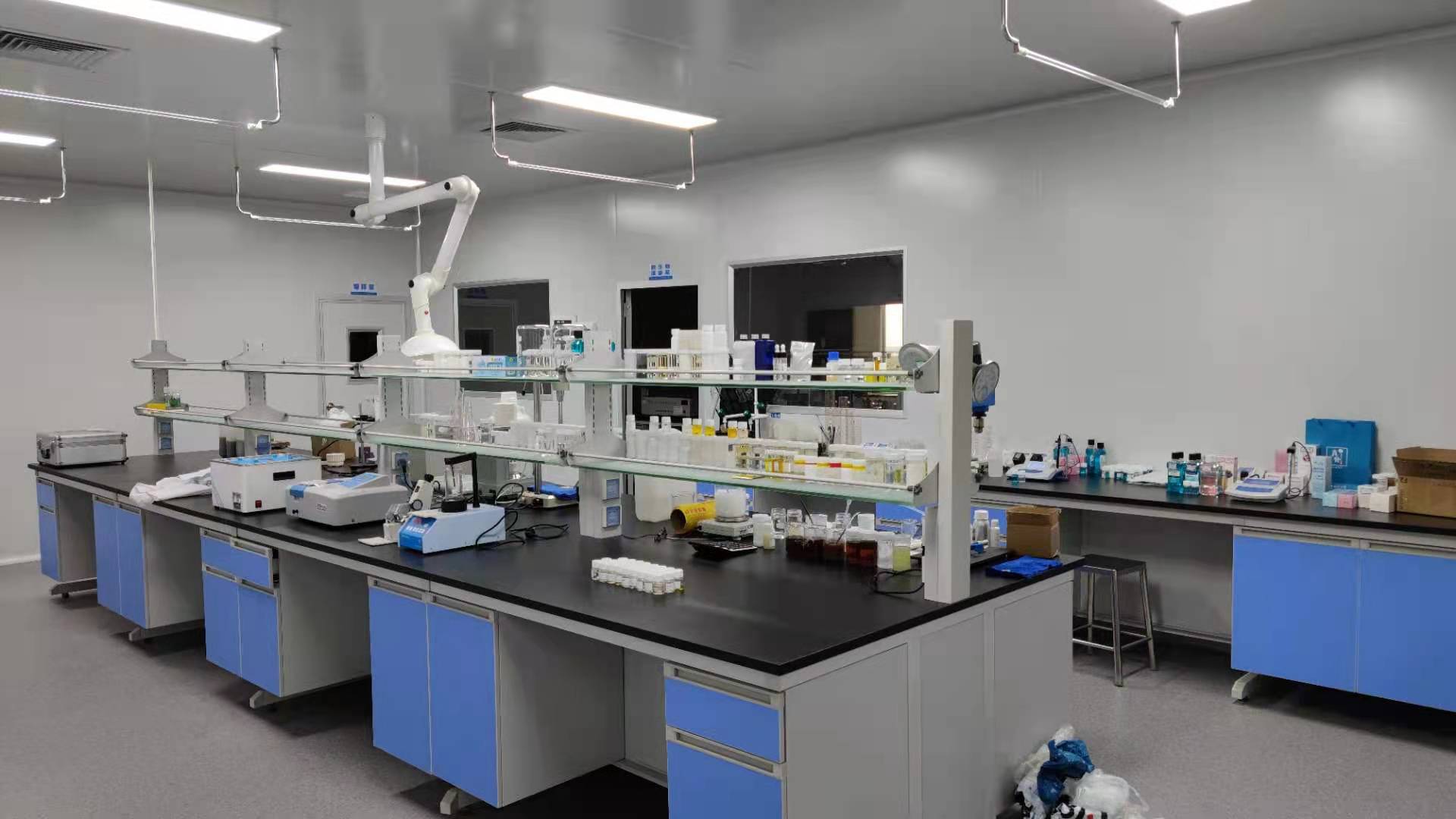
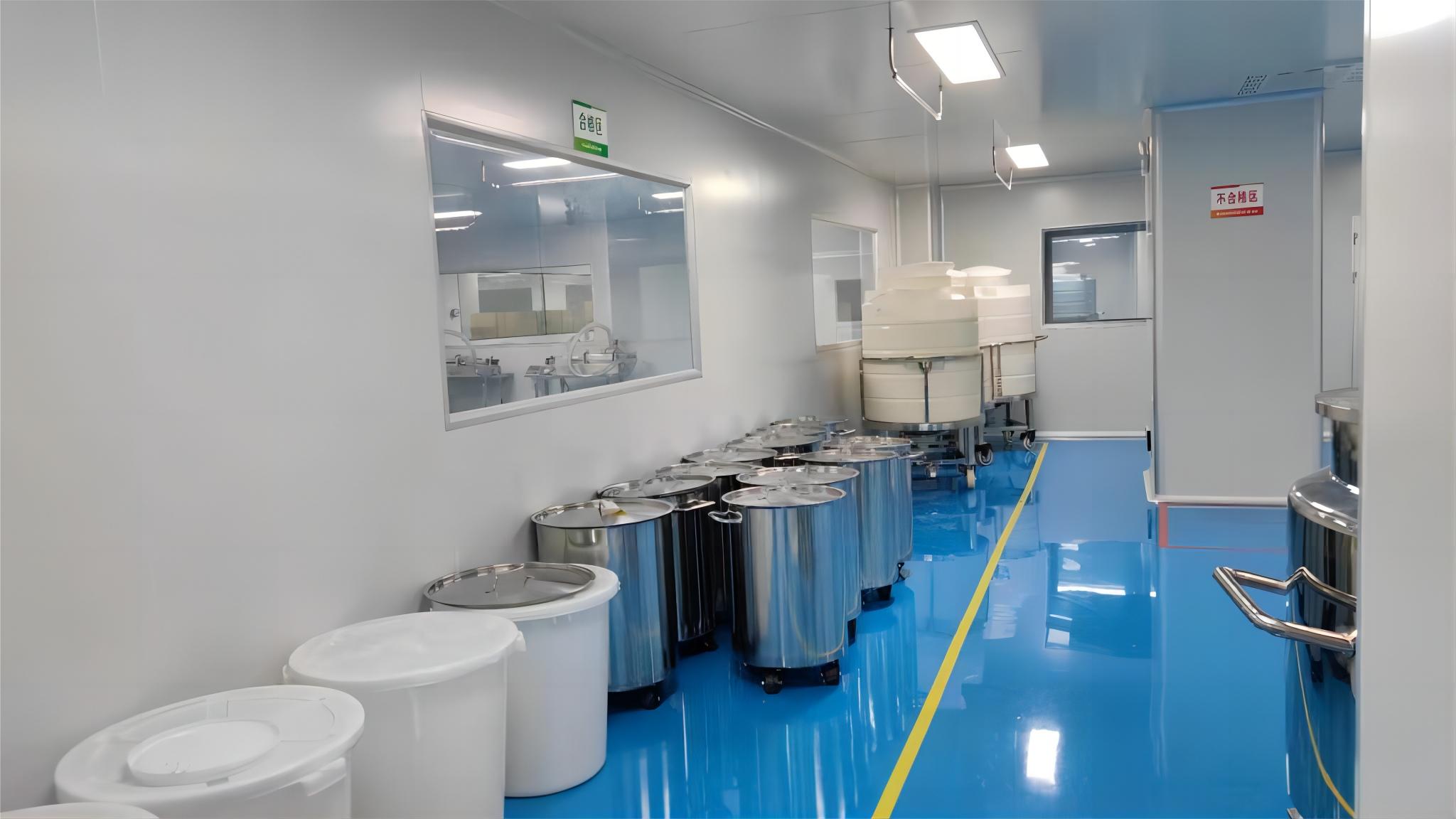
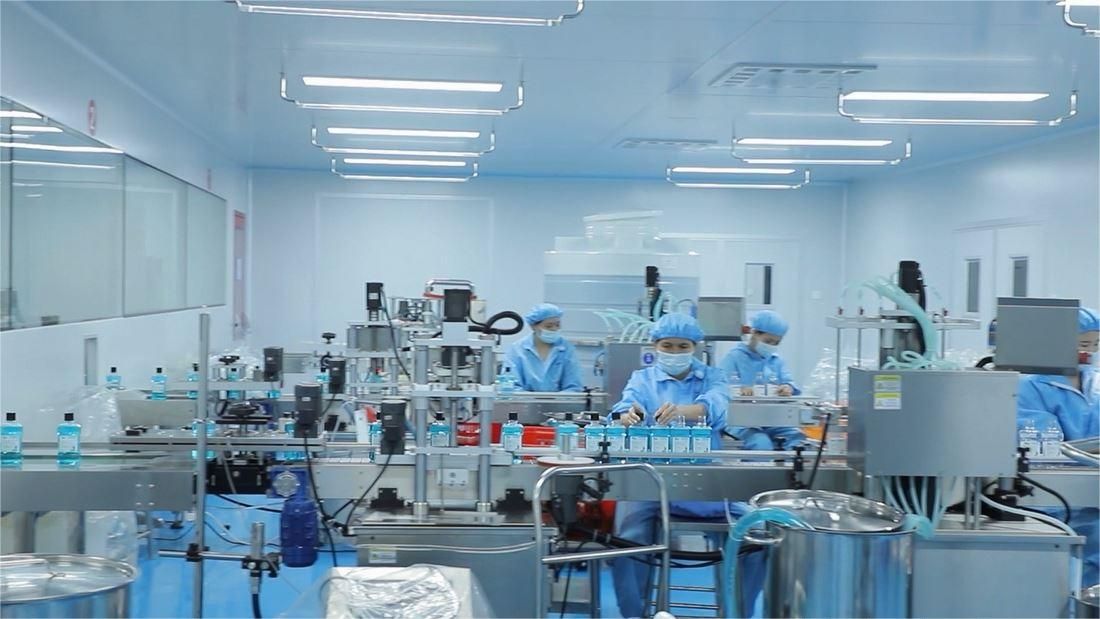
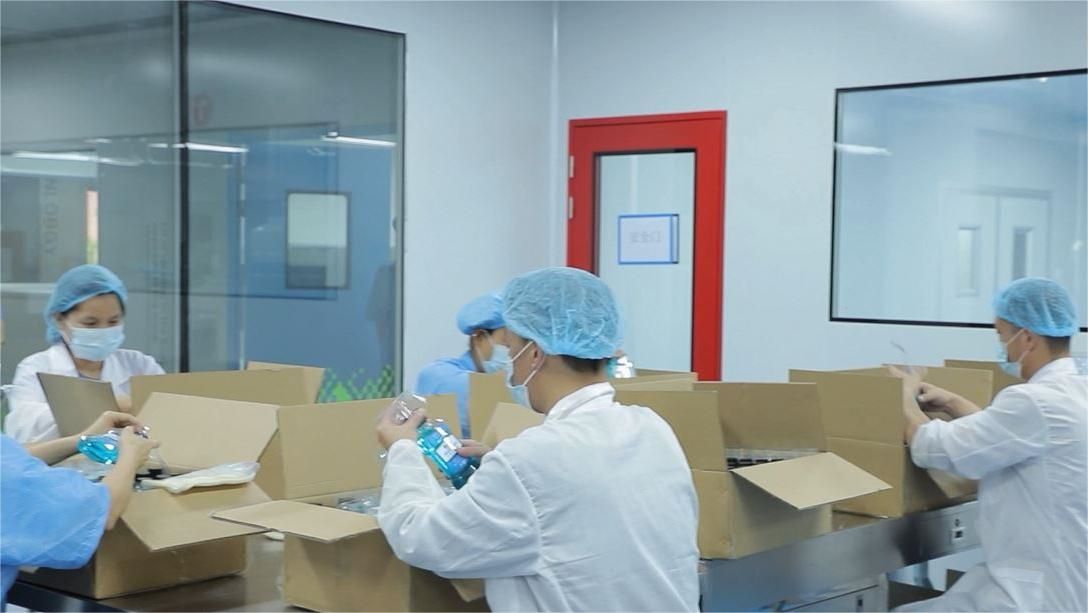
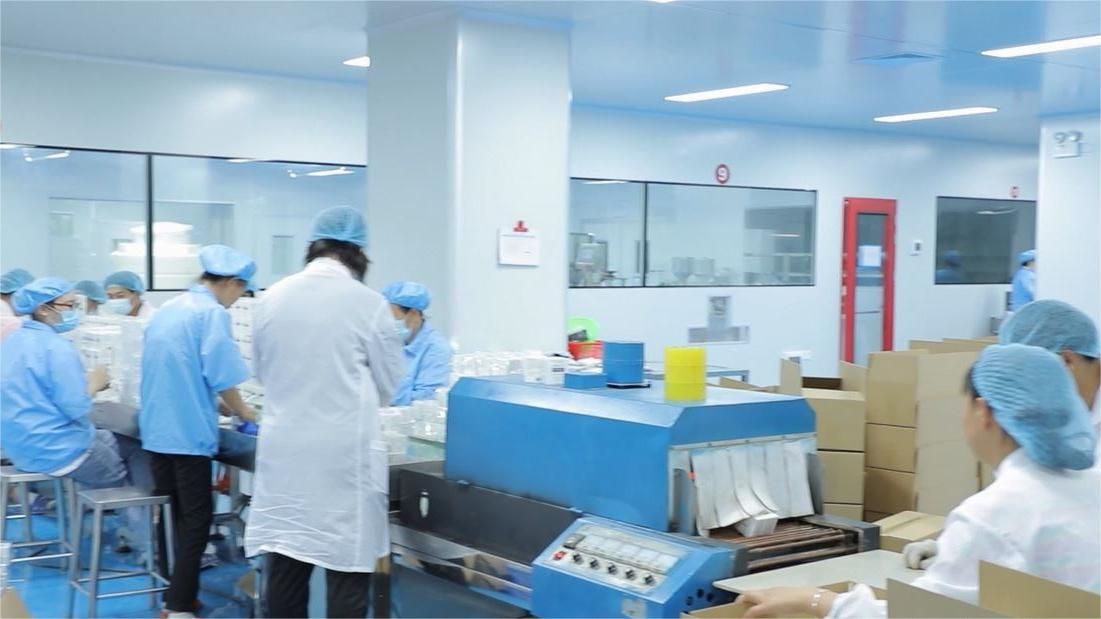
Our manufacturing facility operates under strict quality management systems and is certified with GMPc and ISO 22716 standards. Every stage of production, from raw material sourcing to finished product inspection, is carefully monitored to ensure consistent quality, safety, and performance.
TPL Beauty is committed to developing clean, safe, and trend-driven cosmetic products. Driven by innovation, quality, and customer satisfaction, Shenzhen TPL Beauty Co., Ltd. continuously invests in product development, color trend research, and advanced manufacturing technologies to help clients build successful and competitive beauty brands in the global marketplace.
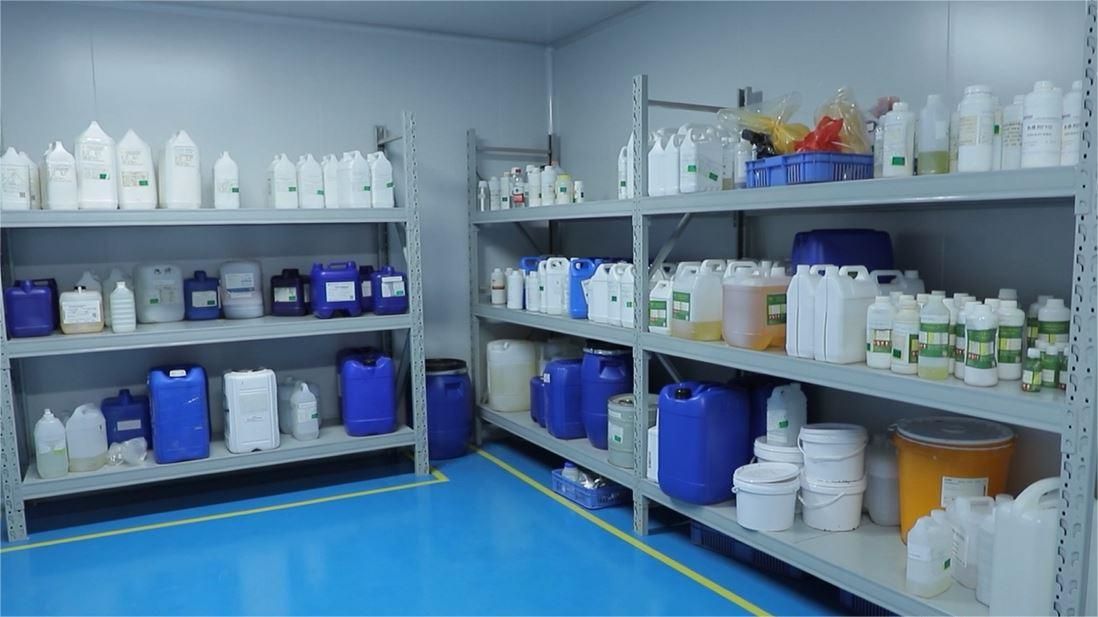
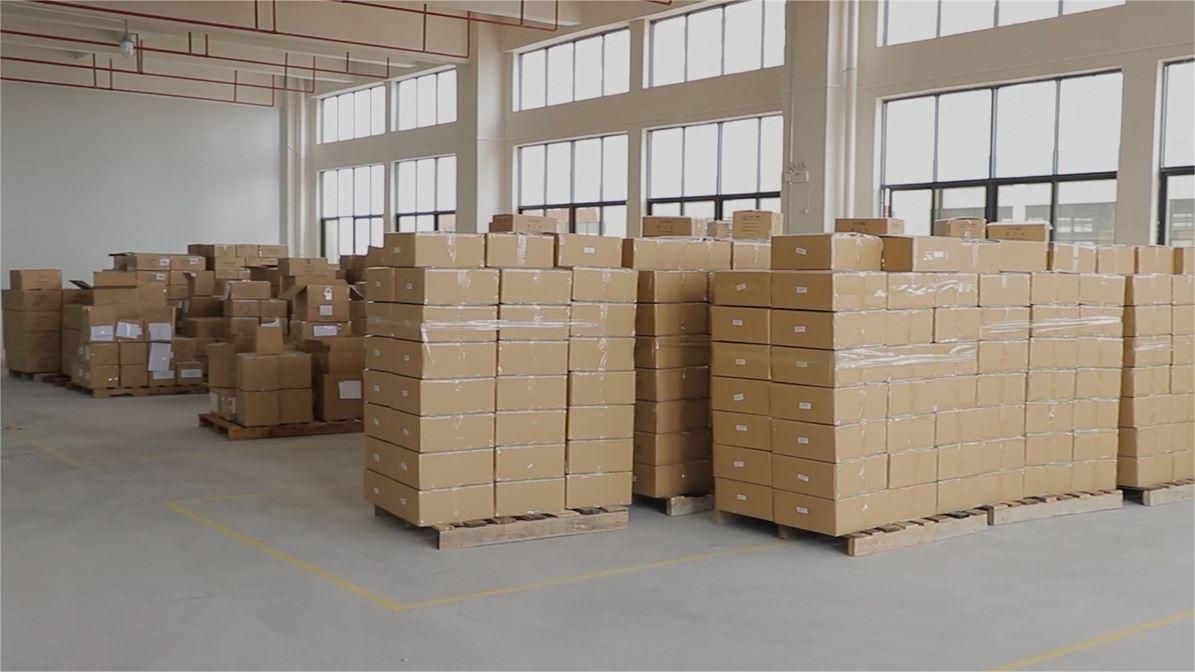
State-of-the-Art Production & Processing Protocol
Every step of our GMPC and ISO 22716 certified manufacturing workflow is built for formulation stability, safety, and traceability.
6. Commercial Realities and Localized Application Scenarios
Sourcing beauty products requires aligning formulation traits with local consumer expectations and regulatory landscapes. The application of cruelty-free, vegan cosmetics varies significantly across major regional markets:
A. North America: Clean Beauty and Dark Skin Foundation Inclusivity
In the US and Canada, cruelty-free claims must be paired with extensive shade inclusivity. Brands target diverse demographics, requiring complex pigment dispersion systems that prevent ashiness on darker skin tones. Solutions like our *Custom Logo Vegan Waterproof Long Lasting Foundation for Dark Women* combine clean formulations with specialized iron oxide pigment blends to ensure color-true wear.
B. European Union: Strict Ingredient Screening and Eco-Conscious Packaging
EU buyers face some of the strictest cosmetic ingredient bans globally. Formulators must verify that no microplastics, cyclic silicones (D5, D6), or specific preservatives are used. Additionally, European buyers favor lightweight formulas with skin benefits, such as SPF-infused BB creams and tinted moisturizers housed in post-consumer recycled (PCR) packaging.
C. Southeast Asia and Middle East: Humidity-Resistant and Halal-Compliant Formulations
In hot, humid climates, consumers need sweatproof, waterproof foundations that remain matte without clogging pores. At the same time, brands in these regions look for ingredients that can also meet Halal compliance standards—which align with vegan and cruelty-free practices by excluding animal-derived raw materials.
Frequently Asked Questions (FAQ) for Global Sourcing Officers
Get clear answers to key regulatory, formulation, and manufacturing questions when selecting your private label partner.
Premium Private Label Air Cushion & Foundation Solutions
Discover lightweight, breathable, and full-coverage products designed for modern beauty brands.
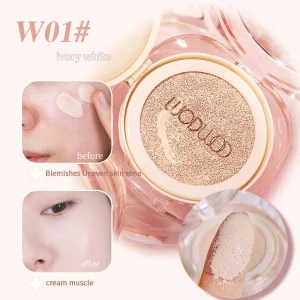
Custom Long Lasting Lightweight Breathable Hydrating Natural Coverage Air Cushion Foundation
Inquire & Source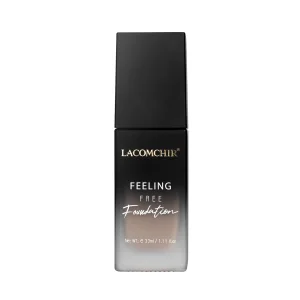
LACOMCHIR Liquid Foundation Moisture Matte Smooth Cream Feeling Free Foundation
Inquire & Source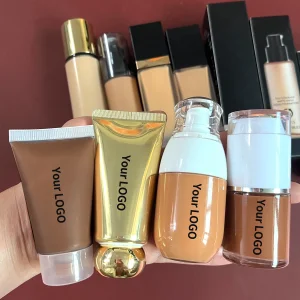
Hot Sale Professional Lower Price Liquid Makeup Foundation Full Coverage Foundation OEM ODM Waterproof Liquid Foundation SPF50
Inquire & Source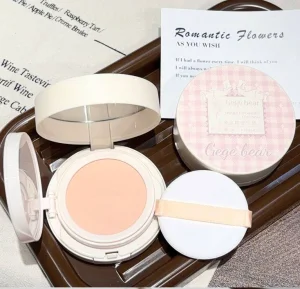
New Fashion Soft Moisturizing Foundation Cushion Cream Mineral-Based BB Cream Moisture Concealer Makeup Base
Inquire & Source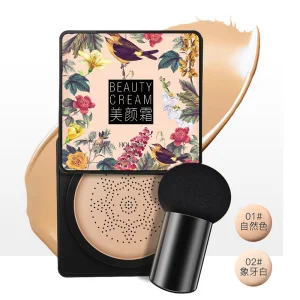
Mushroom Head Moisturizing Long Lasting Matte Air Cushion Bb Cream Spf 50 Guangzhou Cosmetic Bb Cream Private Label
Inquire & Source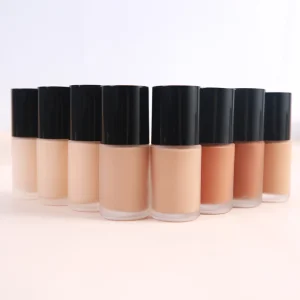
Dewy Liquid Foundation Makeup Base Concealer Longlasting Private Label Skin Care Waterproof Full Coverage Liquid Foundation
Inquire & Source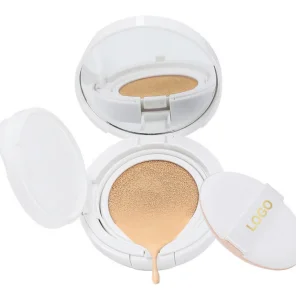
Wholesale Private Label Full Coverage Moisturizing Cushion Foundation Bb Cream Cushion
Inquire & Source