Global Industry Landscape & B2B Market Development
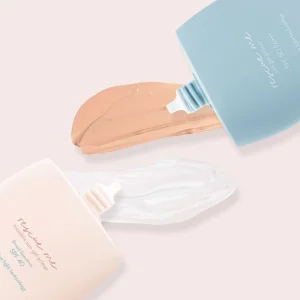
The global color cosmetics sector has shifted dramatically toward high-performance, skin-adaptive, and lightweight makeup bases. The modern consumer no longer tolerates thick, occlusive products. Instead, the focus has moved to "second-skin" finishes that combine breathability with long-wear capabilities. As a leading custom OEM weightless foundation supplier and exporter, Shenzhen TPL Beauty Co., Ltd. works at the center of this transition, delivering advanced, clinically validated color cosmetics to global brands.
Market intelligence indicates that the global liquid foundation market is expanding at a CAGR of 6.2% from 2024 to 2030, driven by technical improvements in emulsion chemistry, microfluidics, and clean ingredient standards. Today's formulas must balance coverage and weight, prompting R&D divisions to replace heavy waxes and oils with volatile silicones, botanical esters, and ultra-fine pigment dispersions.
As a seasoned exporter, we understand that supply chain agility, strict regulatory adherence, and scientific documentation are critical. Whether exporting to highly regulated markets like the European Union (requiring compliance with EU Cosmetic Regulations and REACH) or North America (requiring FDA alignment and California Proposition 65 compliance), our formulation pipeline ensures smooth customs clearance and market entry.
Strategic OEM Formulation & Scientific Trends
Developing a weightless foundation requires complex structural engineering. To create a formula that provides complete coverage while remaining virtually imperceptible on the skin, cosmetic chemists focus on three primary areas:
1. Water-in-Silicone (W/Si) and Water-in-Oil (W/O) Micro-Emulsions
Traditional creams rely on heavy oil-in-water structures that can feel greasy and slow to dry. Modern weightless foundations use water-in-silicone or water-in-oil systems. In these formulations, volatile carrier agents like cyclopentasiloxane or trisiloxane evaporate shortly after application. This leaves behind a microscopic film of hydrophobic pigments and cross-linked silicone polymers that move with the skin, preventing creasing and cakeyness.
2. Advanced Surface-Treated Pigments
Pigment treatment is crucial for lightweight coverage. Raw iron oxides and titanium dioxide are naturally hydrophilic and can clump, leading to uneven application. We utilize advanced surface-treated pigments coated with alkyl silanes, amino acids, or natural lecithin. These coatings lower surface tension, allowing high pigment loading in ultra-low viscosity fluids. This ensures uniform color delivery with a minimal product layer.
3. Hybrid Skincare Infusions
The distinction between skincare and color cosmetics continues to blur. Modern formulations include functional active ingredients like Fullerenes, Caviar extracts, niacinamide, and hyaluronic acid. These additions allow brands to market their base products as active skincare, offering anti-aging, hydration, and environmental protection benefits. Our specialized compounding processes keep these delicate active molecules stable within the pigment suspension.
Regional Adaptation & Environmental Engineering
A formula that performs well in a dry, temperate climate may underperform in high humidity or cold temperatures. Our R&D department customizes physical and chemical properties based on the geographic destination of the shipment:
| Target Region / Climate | Primary Formulation Need | Key Technological Solution |
|---|---|---|
| Southeast Asia (Humid/Hot) | Sebum resistance, sweat-proofing, and matte longevity. | Spherical silica copolymer networks, volatile silicone carriers, and hydrophobic acrylic films. |
| North America & EU (Dry/Temperate) | All-day hydration, barrier protection, and clean ingredient profiles. | Squalane bases, non-comedogenic botanical esters, hyaluronic acid, and plant-derived silicones. |
| Middle East (Extreme Heat) | High pigment loading, transfer resistance, and SPF inclusion. | Physical sunscreen agents (TiO2/ZnO), silicone resin film formers (TMS), and high-density pigment milling. |
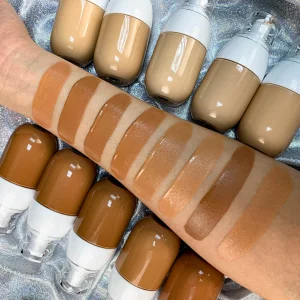
Furthermore, local preferences dictate the shade range. Our laboratory uses computer-controlled colorimeters to calibrate color profiles across the global spectrum. We formulate for cool, warm, and neutral undertones, ensuring our partners can offer inclusive shade ranges for all skin tones, including deep complexions.
Shenzhen TPL Beauty Co., Ltd.: Manufacturing Process & Quality Control
Founded in 2009, Shenzhen TPL Beauty Co., Ltd. is a professional, full-service private label cosmetics manufacturer. We specialize in the research, development, and mass production of high-quality cosmetics for international beauty brands, e-commerce sellers, and distributors. Operating within a GMPc and ISO 22716 certified facility, our production workflow is monitored at every stage to guarantee consistency, safety, and performance.
Below is our detailed, 11-step manufacturing workflow for liquid foundations and emulsions. This process ensures that every batch meets global export standards.
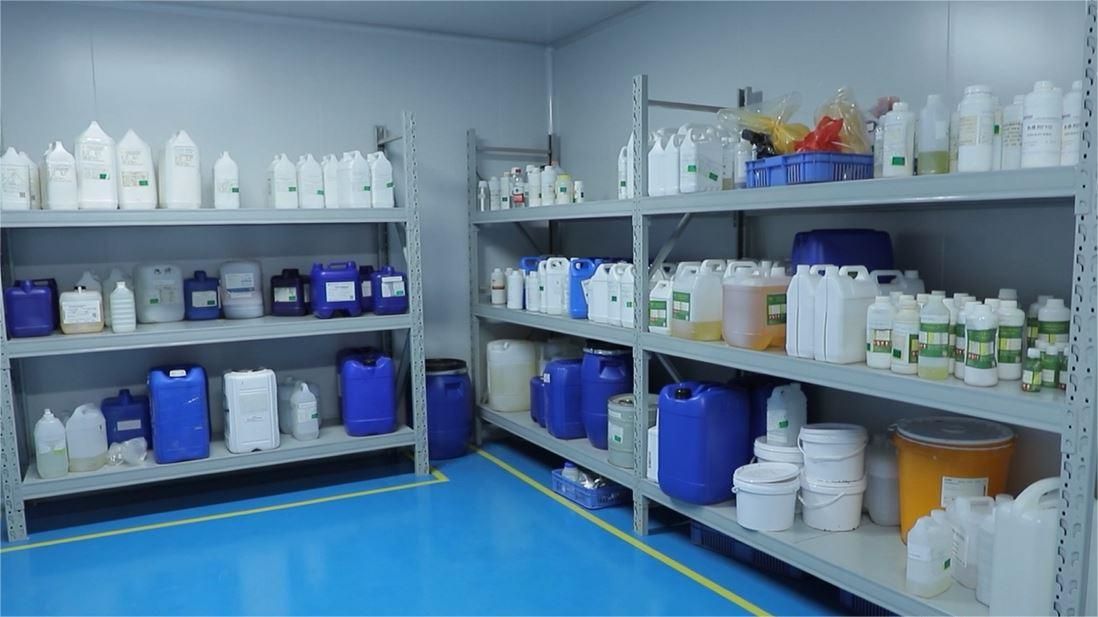
Incoming raw materials undergo physical, chemical, and microbiological testing to verify purity and safety before production.
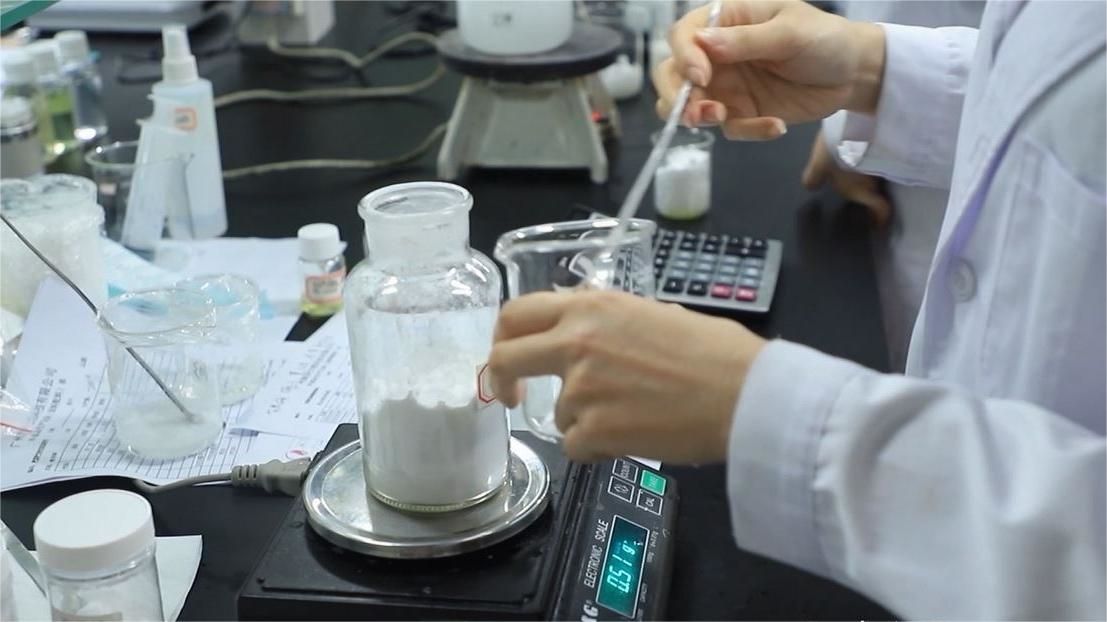
Ingredients are weighed using calibrated electronic scales to ensure formula precision and batch-to-batch consistency.
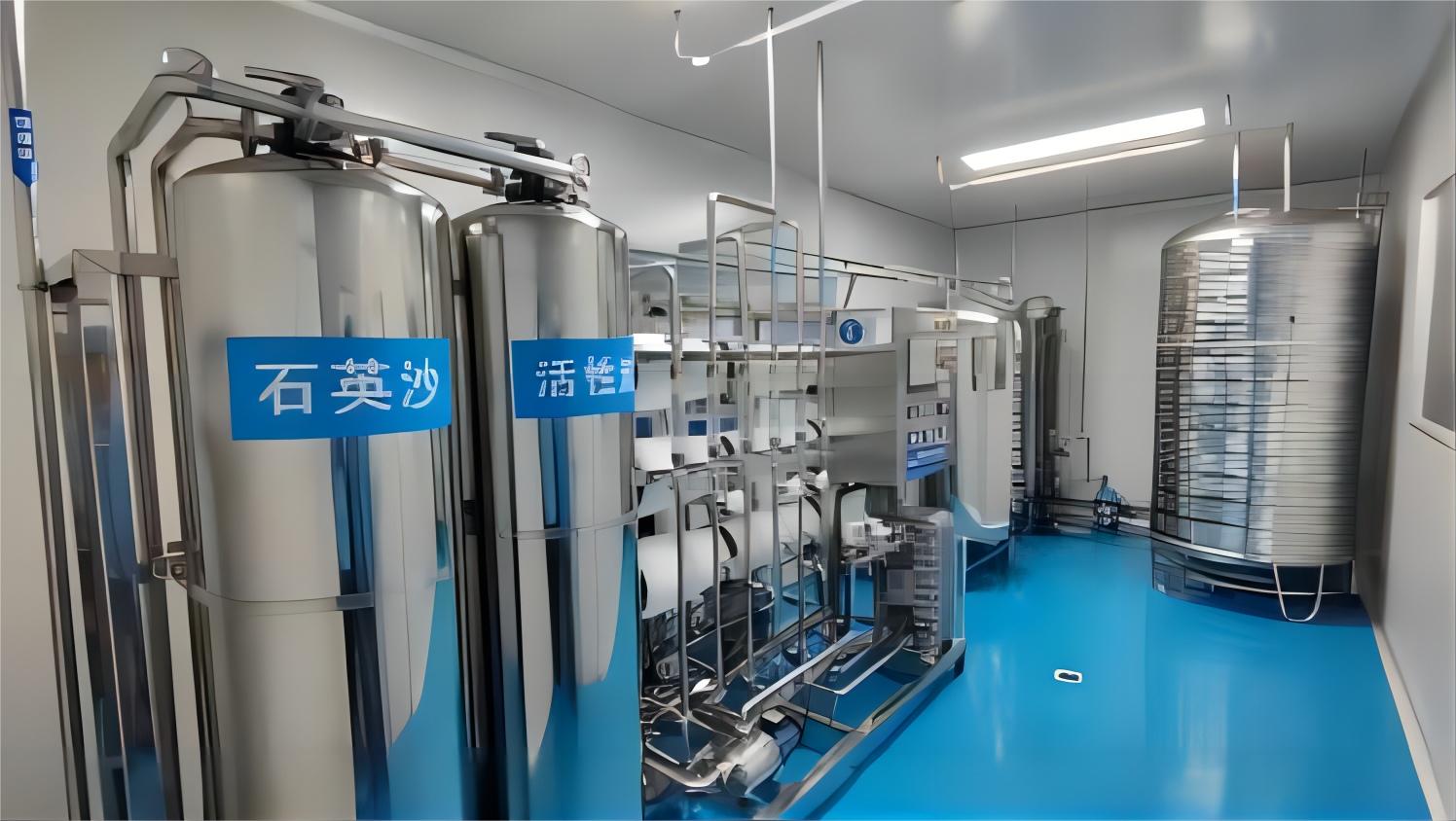
We use multi-stage reverse osmosis and deionization systems to produce ultra-pure water, preventing contamination.
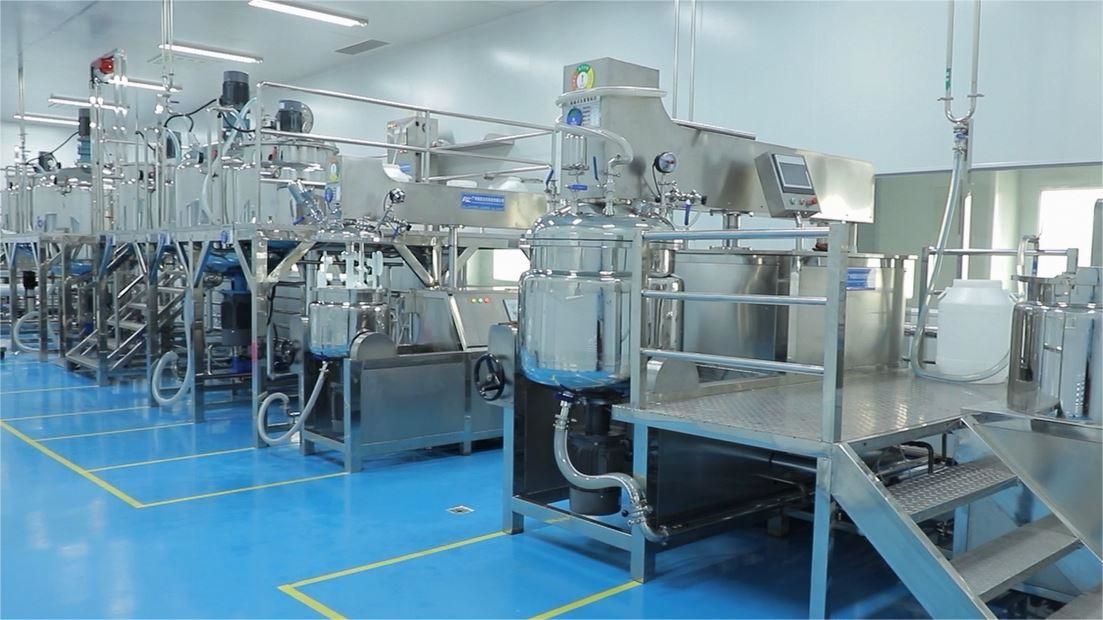
High-shear vacuum emulsifiers homogenize the oil, water, and pigment phases into a stable, silky emulsion.
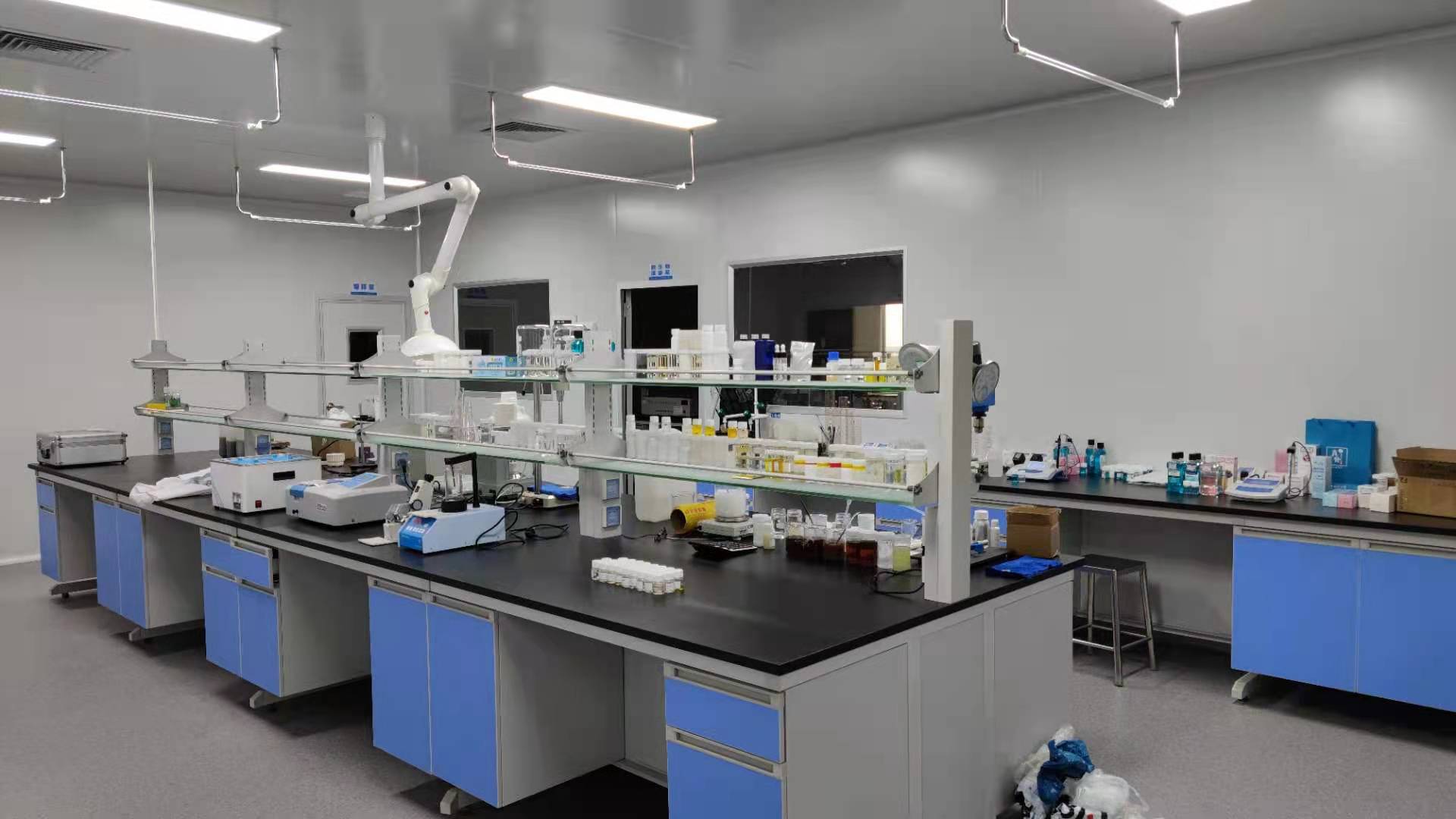
Laboratory technicians test each batch for viscosity, pH, shade match, stability, and microbiological safety.
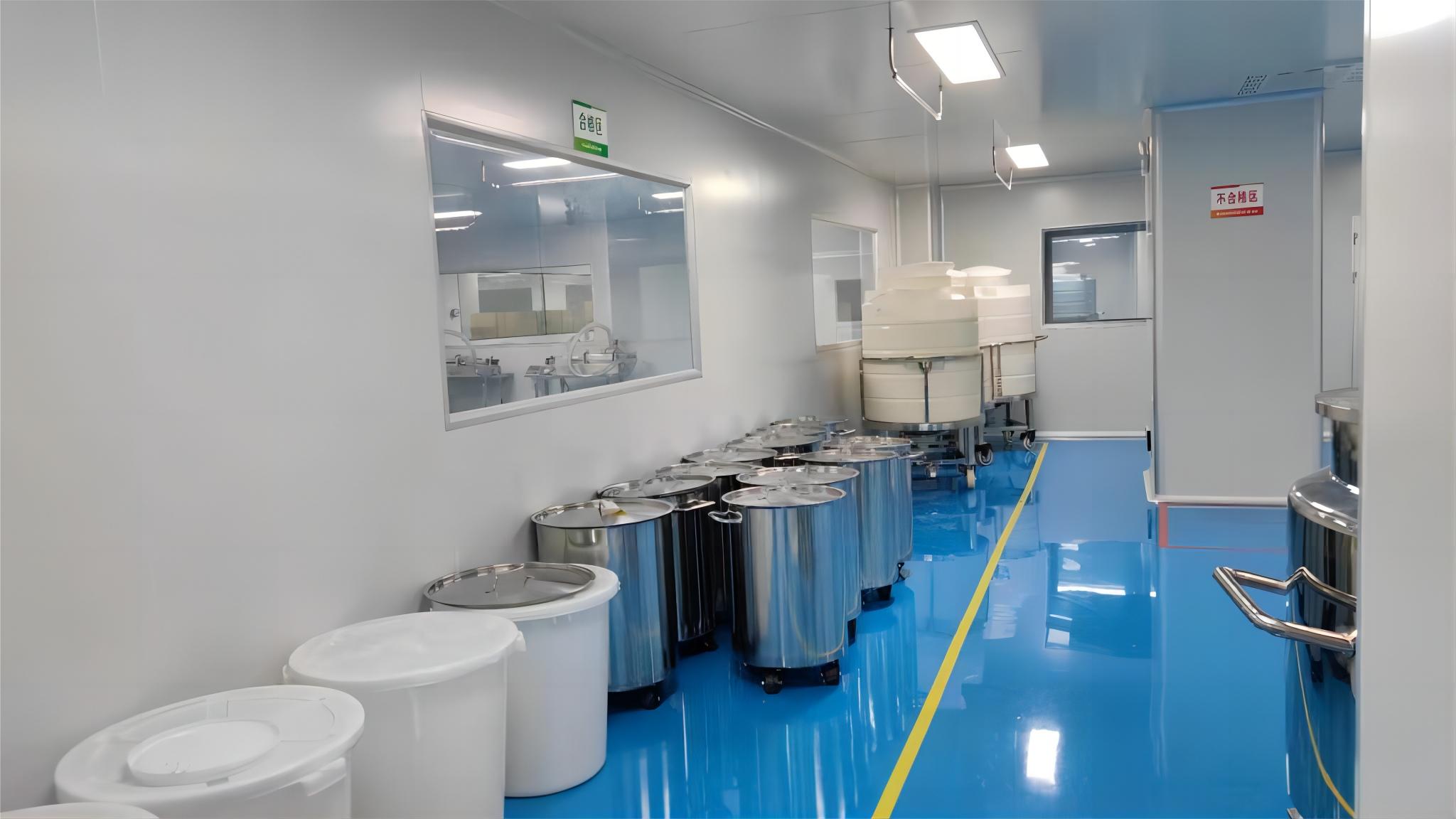
The bulk emulsion rests in temperature-controlled aging tanks. This step stabilizes the matrix and releases micro-bubbles.
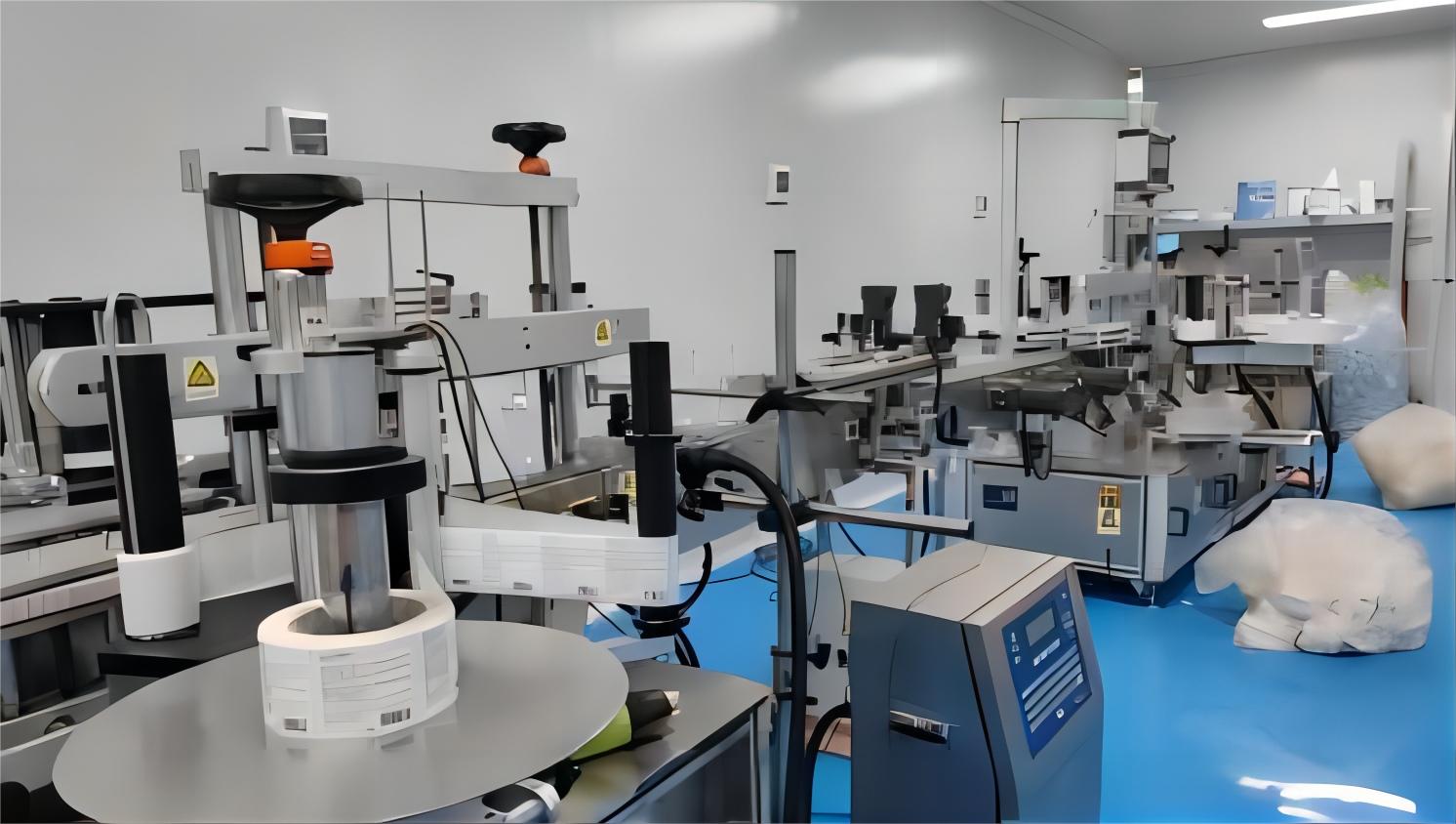
Packaging components receive inkjet-printed batch numbers, expiration dates, and tracking barcodes for transparency.
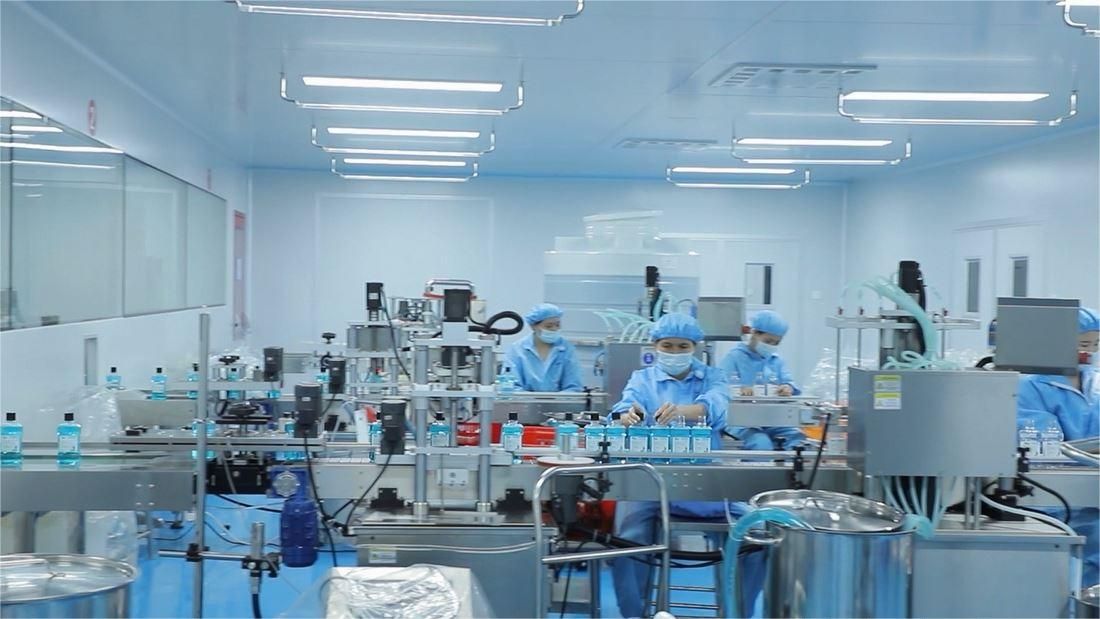
Automated volumetric fillers pack the foundation into primary containers while keeping oxygen exposure minimal.
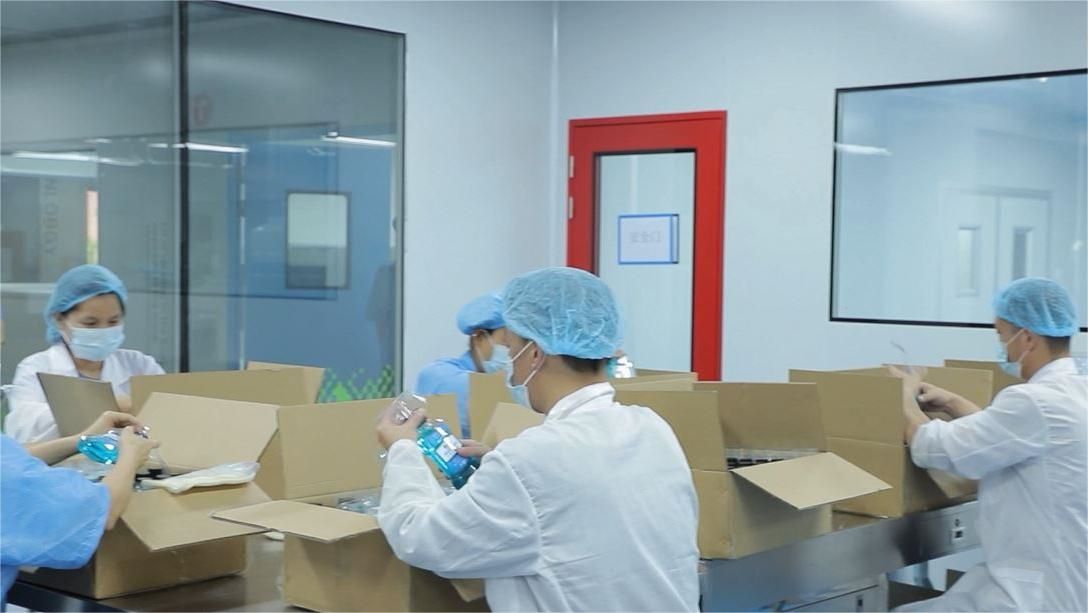
Online QC inspectors verify filling weights, check cap torque, and ensure pump dispensers function correctly.
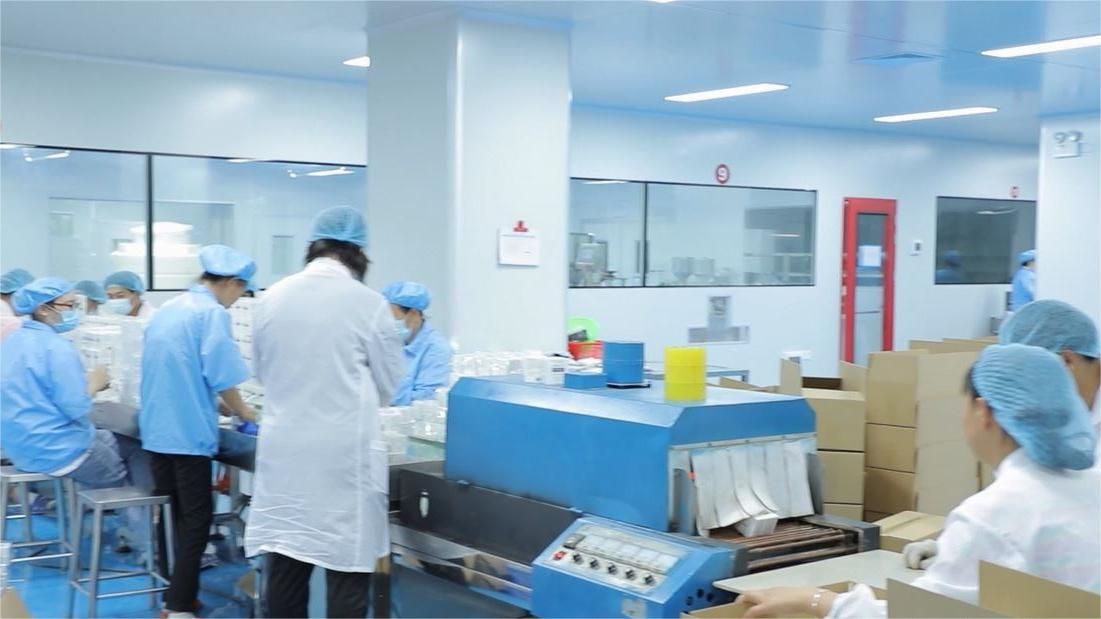
Finished units are packed into unit cartons, complete with inserts, cellowrapping, and tamper-evident seals.
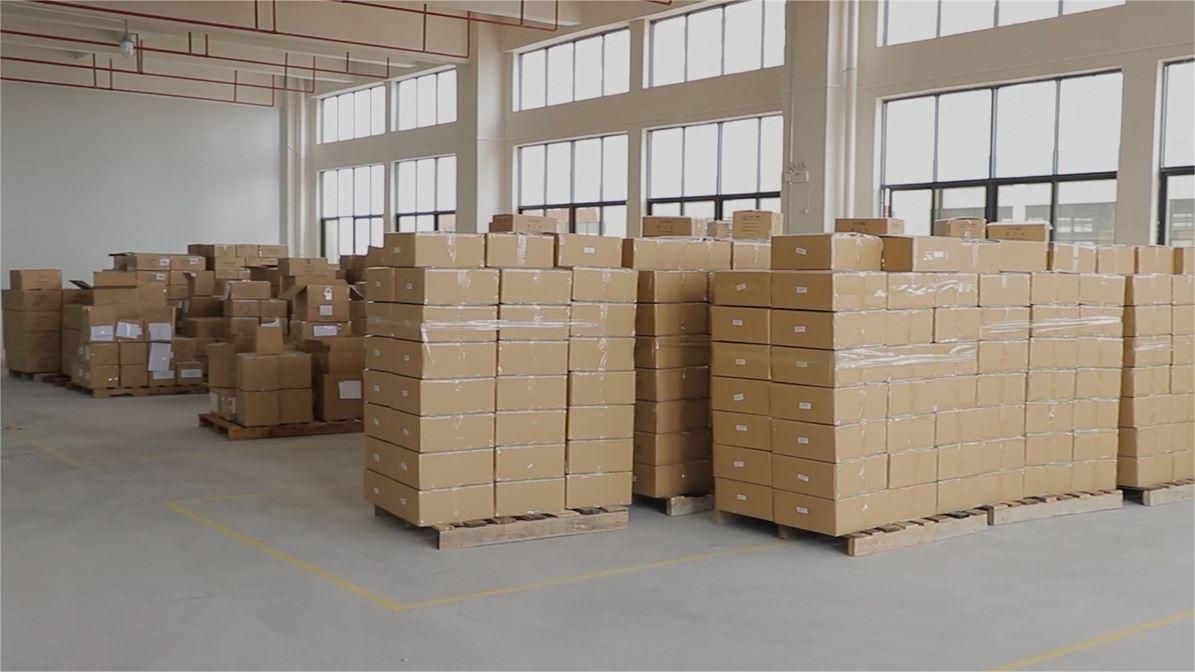
Final products are palletized, wrapped in protective film, and stored in our climate-controlled warehouse for shipping.
Technical Roadmap & Future Outlook
The beauty industry continues to evolve. Our R&D pipeline is focused on incorporating new technologies to keep our brand partners competitive over the next decade:
Biodegradable Silicones & Green Solvents
Regulatory pressure on cyclic silicones (like D4, D5, and D6) in the EU and North America is reshaping formulation design. TPL Beauty is actively developing weightless bases using biodegradable silicone alternatives. These green solvents, made from vegetable alkane matrices, replicate the dry, powdery feel of volatile silicones while remaining ecologically sound.
AI-Driven Color Customization
Using spectrophotometric data, our laboratories are building an AI-assisted shade matrix. This system predicts shade adjustments for different light sources (e.g., daylight, LED, studio light), helping brands create shade profiles that prevent flashback and maintain consistent color throughout the day.
Biomimetic Pigments
We are researching pigments coated with synthetic cell-membrane structures (phospholipids). These coatings match the natural lipid profile of the stratum corneum, helping the foundation blend smoothly onto the skin for a natural, weightless look.
B2B Procurement & Formulation FAQ
Understanding the details of cosmetic manufacturing is essential for a successful product launch. Below are answers to key technical questions from our brand partners:
What is your typical MOQ for custom weightless liquid foundation formulations?
How does TPL Beauty ensure EU REACH and US FDA compliance for export shipments?
What types of testing documentation do you provide for regulatory compliance filings?
Can you formulate vegan, cruelty-free, and clean beauty foundations?
How do you prevent pigment settling in low-viscosity, weightless liquid formulas?