Premium Sun Protection Makeup Formulations
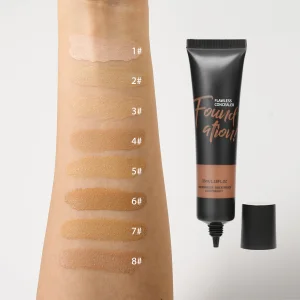
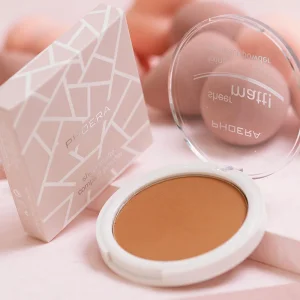
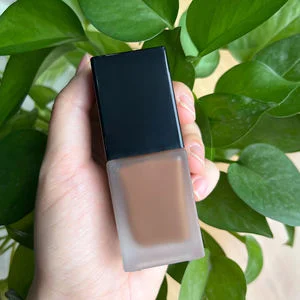
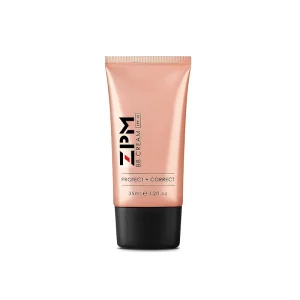
Explore our premium select range of customizable SPF-infused foundations, mineral pressed powders, and dewy BB creams built to withstand diverse climatic shifts.
1. Executive Sourcing Insight: The Hybridization of SPF & Cosmetics
In the contemporary global beauty sector, the convergence of skincare and cosmetics is no longer a niche preference; it is a baseline consumer requirement. Global procurement groups, indie brand founders, and multinational cosmetics distributors increasingly focus their search parameters on China-based Sun Protection Makeup Manufacturers. The driving force behind this dynamic is the demand for multi-functional cosmetic formulas that combine skin barrier defense, color correction, and certified photoprotective barriers (SPF and PA ratings) within a single product matrix.
However, formulating cosmetic products containing active UV blockers presents substantial obstacles. Unlike standard liquid bases or pressed powders, SPF-active formulas are classified as OTC (Over-The-Counter) drugs in jurisdictions like the United States, and require strict Annex VI compliance within the European Union. Global purchasing managers must navigate a complicated matrix of raw material purity, physical suspension stability (preventing the aggregation of Titanium Dioxide or Zinc Oxide particles), and aesthetic optimization (mitigating the "white cast" phenomenon across a wide spectrum of skin tones, particularly for dark skin profiles).
Micro-Encapsulation Technology
Utilizing polymer-coated mineral filters to prevent active sunscreen agents from interacting directly with pigment particles. This ensures stable color coverage and consistent SPF ratings over time.
Advanced Dispersal Systems
High-shear emulsification ensures that non-nano physical blockers (ZnO and TiO2) are uniformly suspended in the liquid matrix, eliminating clumping and preventing uneven application.
Inclusivity Formulation
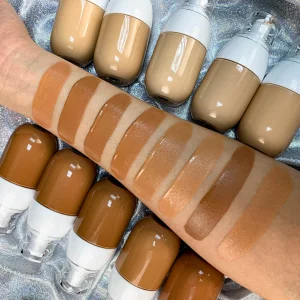
By adjusting refractive indexes of physical filters and incorporating organic chemical hybrid filters, we eliminate white cast, allowing dewy foundations to seamlessly blend into darker complexions.
2. Formulation Chemistry & Technical Sourcing Roadmap
Understanding the balance between physical filters, organic compounds, and clean-label cosmetic bases is critical for brand positioning.
Chemical vs. Physical Sunscreen Filters in Color Cosmetics
The choice between physical (mineral) and chemical (organic) filters determines a brand's entry pathway into international markets. Physical filters such as Zinc Oxide (ZnO) and Titanium Dioxide (TiO2) function by refracting and reflecting ultraviolet light waves. They are highly favored for sensitive skin lines and clean beauty markets due to their inert profile. However, high-dosage mineral makeup can feel heavy and dry on the skin. To optimize skin-feel, professional manufacturing protocols rely on surface-modified micro-particles of TiO2 (coated with Silica, Alumina, or Dimethicone) which improve spreadability and sensory profiles while enhancing SPF efficiency.
Conversely, chemical sunscreen agents (such as Octinoxate, Octisalate, and Avobenzone) absorb UV rays and dissipate them as thermal energy. While chemical filters yield ultra-lightweight, invisible-finish liquid foundations, their usage is closely regulated due to reef-safety concerns (e.g., bans on Oxybenzone and Octinoxate in Hawaii and other jurisdictions). At Shenzhen TPL Beauty, we develop next-generation hybrid formulations that strategically pair low-percentage mineral filters with clean chemical compounds, achieving high SPF ratings (SPF 30 to SPF 50) without compromising the sensory properties of the makeup base.
Stabilization of Tinted Emulsions under UV Exposure
One of the primary challenges in sun protection makeup development is maintaining formulation stability when exposed to direct sunlight. Ultraviolet light can cause the degradation of unstable chemical filters, leading to the formation of free radicals that break down pigments and organic emulsifiers. This degradation can manifest as color shifting, formula separation, and a sharp drop in actual SPF protection. To solve this, our research and development laboratory incorporates photostable stabilizers (such as Bemotrizinol or Bisoctrizole) alongside antioxidant matrices (Tocopherol, Marine Collagen, and Hyaluronic Acid) to preserve both cosmetic coverage and sun protection performance over extended periods.
3. Shenzhen TPL Beauty Co., Ltd.
A Professional Private Label Cosmetics Manufacturer & High-Tech Production Facility
Established in 2009, Shenzhen TPL Beauty Co., Ltd. stands as a premier, full-service ODM/OEM manufacturer in the Southern China cosmetics production hub. We specialize in the formulation development, regulatory screening, packaging sourcing, and industrial mass production of premium color cosmetics. Our product catalog spans a diverse array of categories: eyeshadow palettes, rich lipsticks, lip glosses, liquid lipsticks, high-coverage liquid foundations, concealers, blushes, highlighters, bronzers, mascaras, eyeliners, brow pomades, setting powders, and advanced sun protection cosmetics.
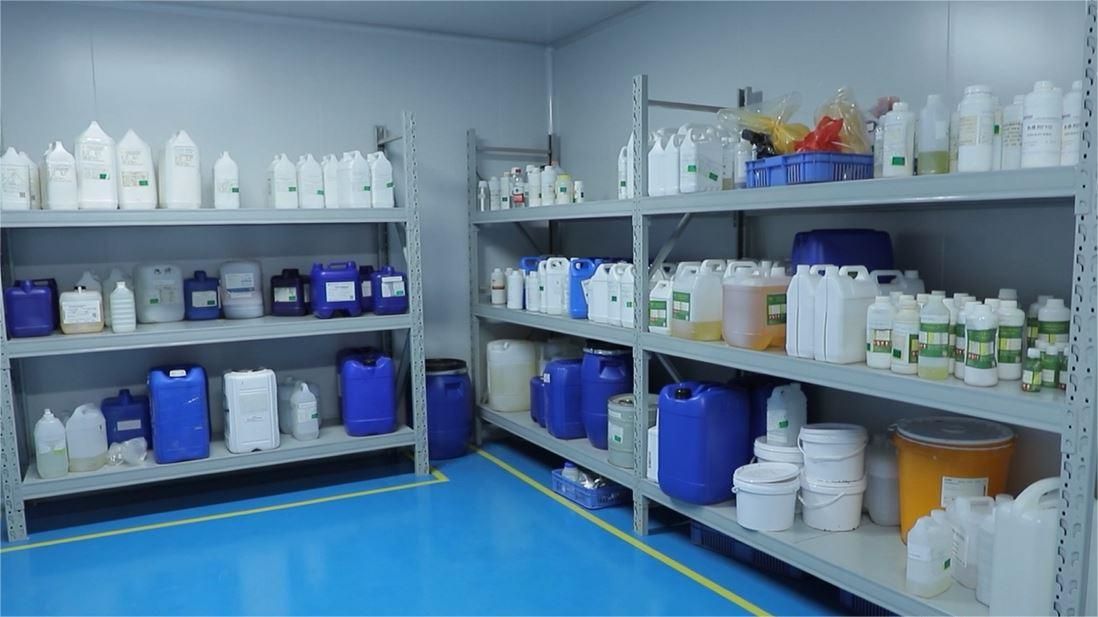
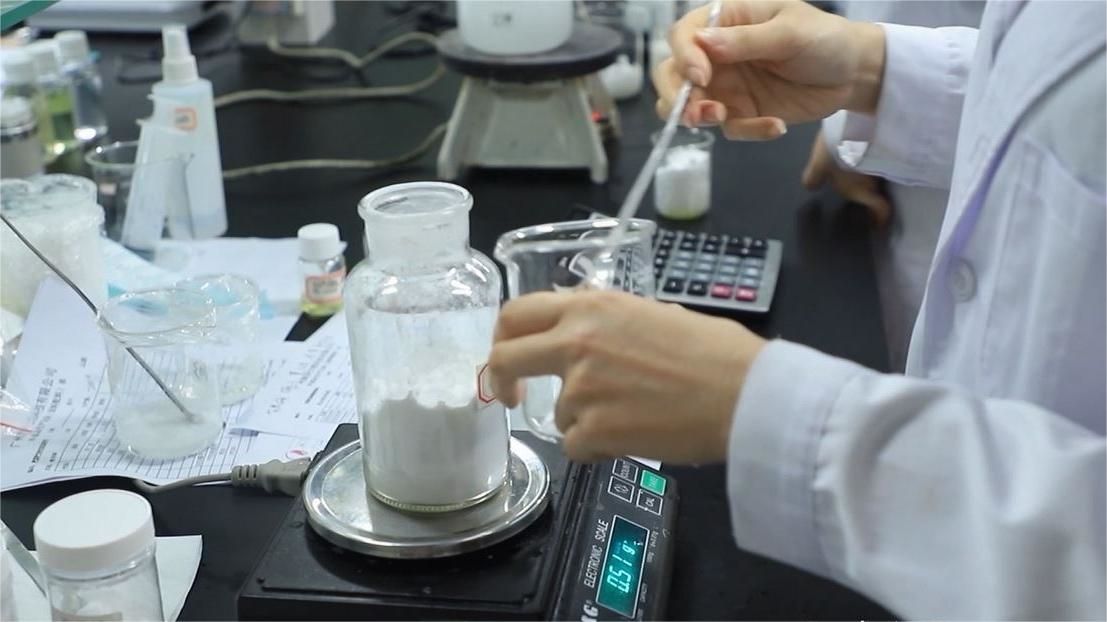
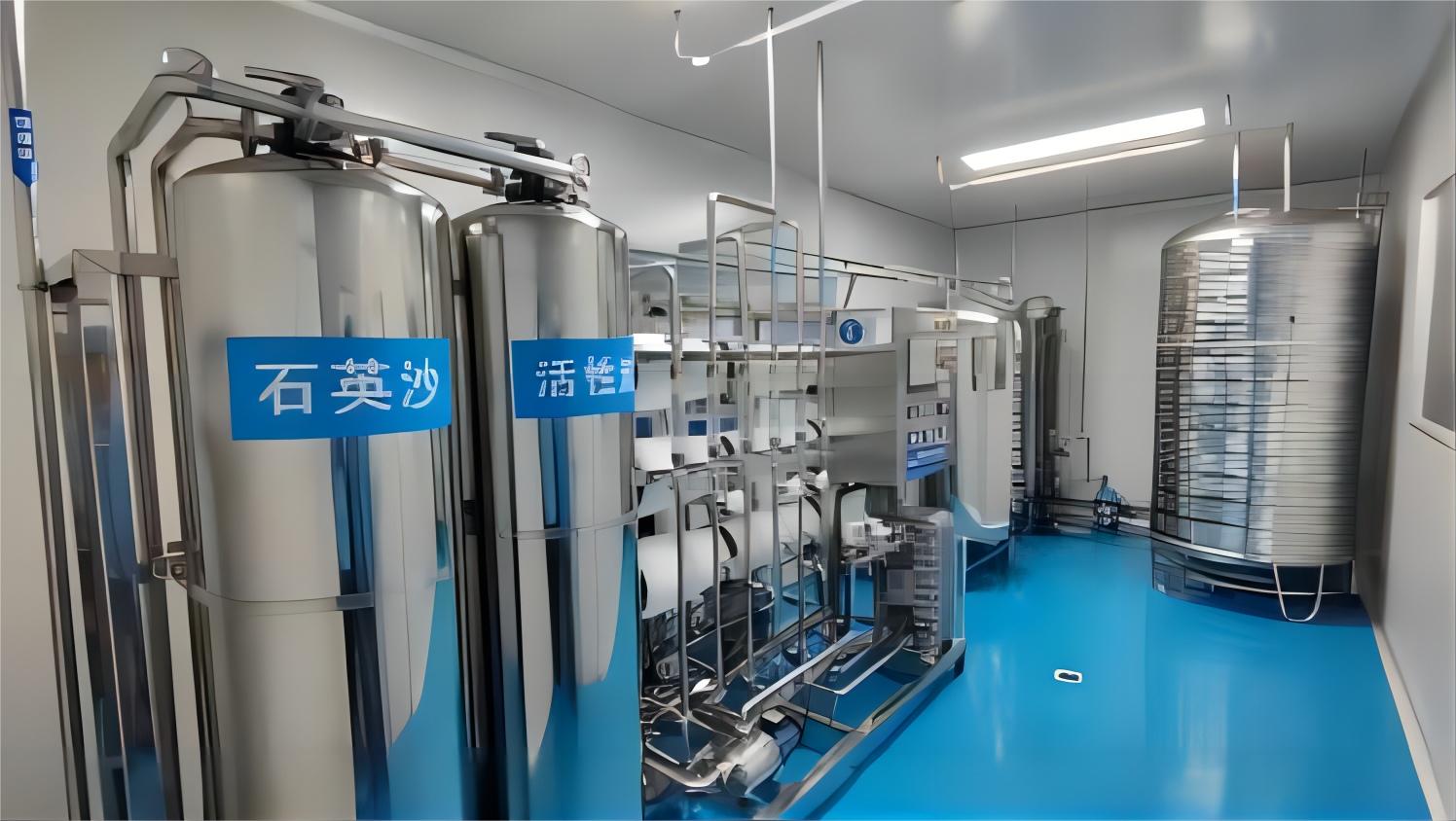
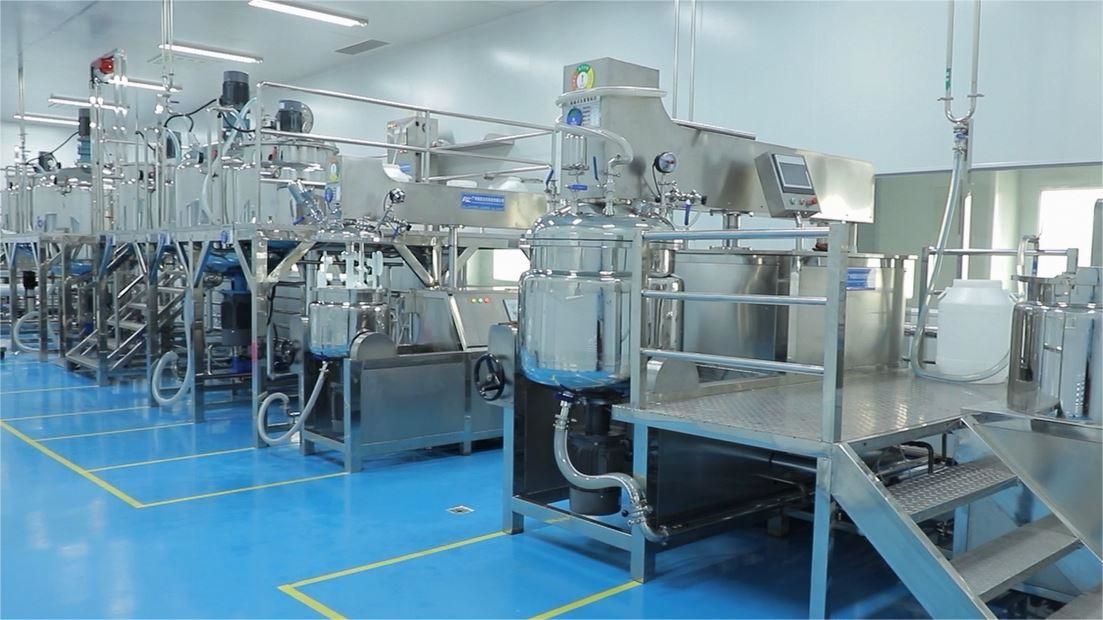
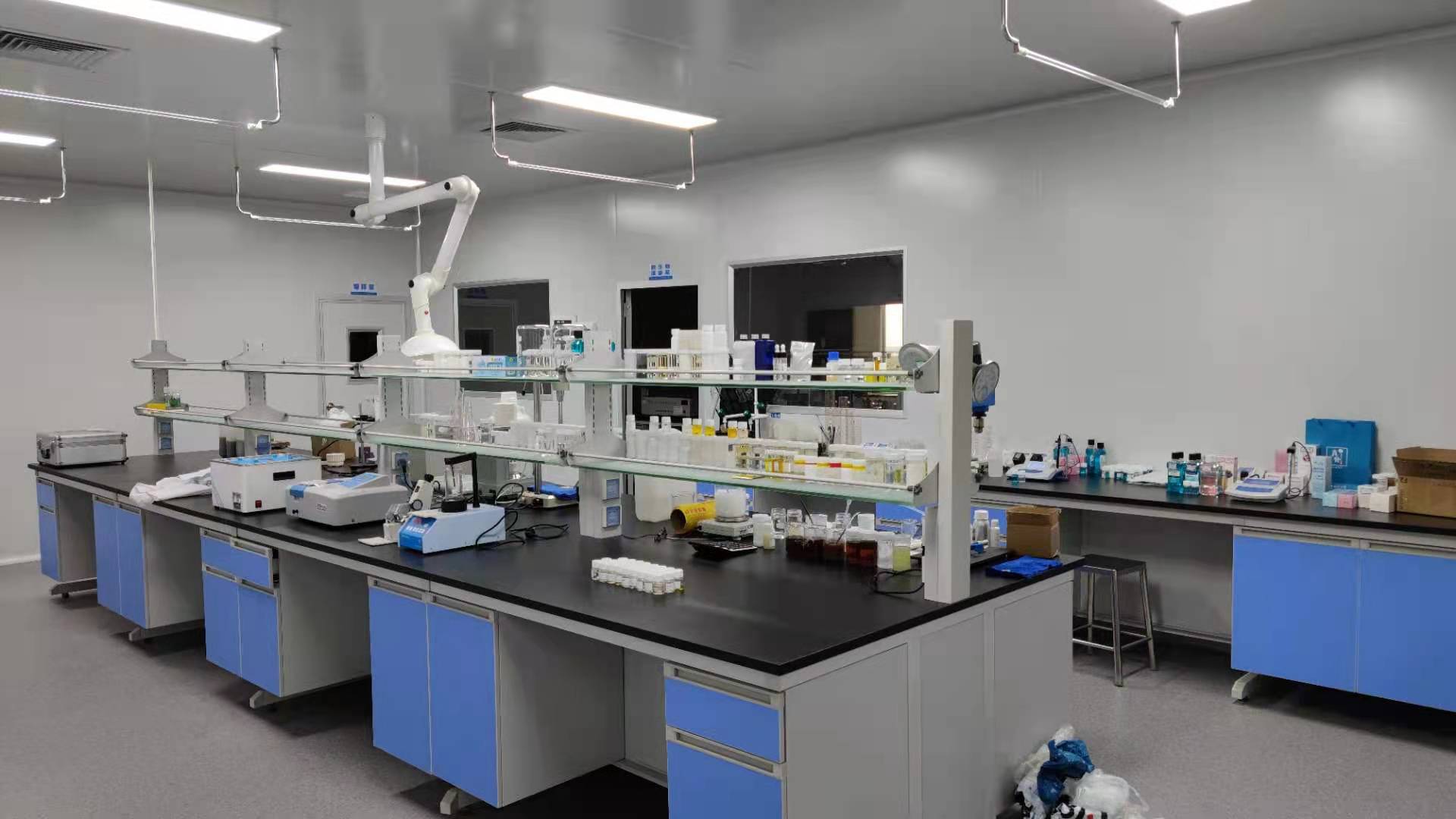
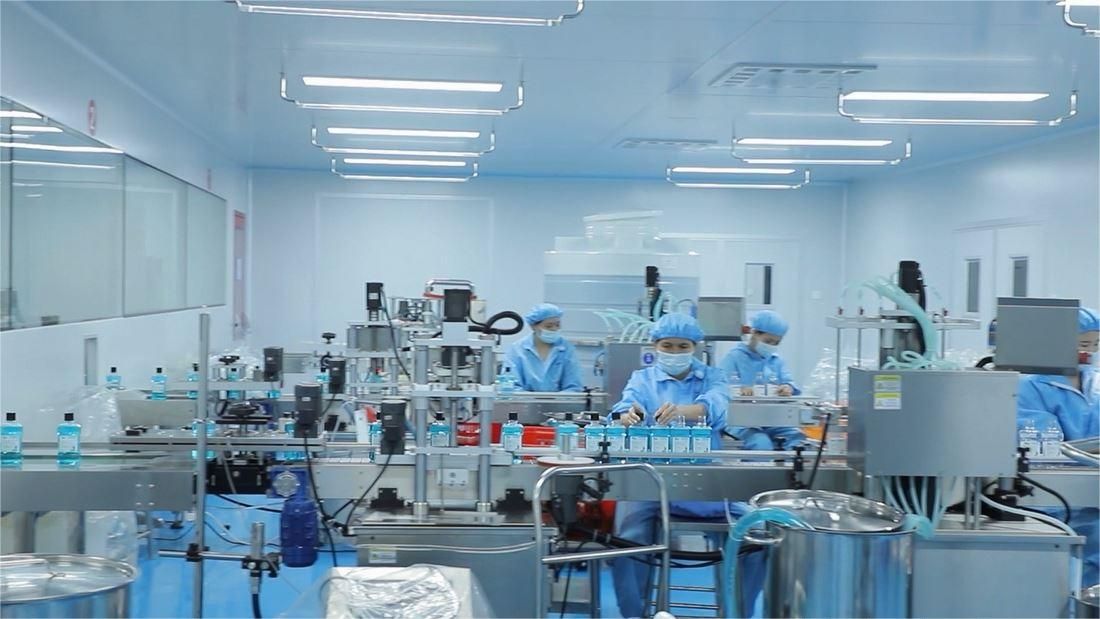
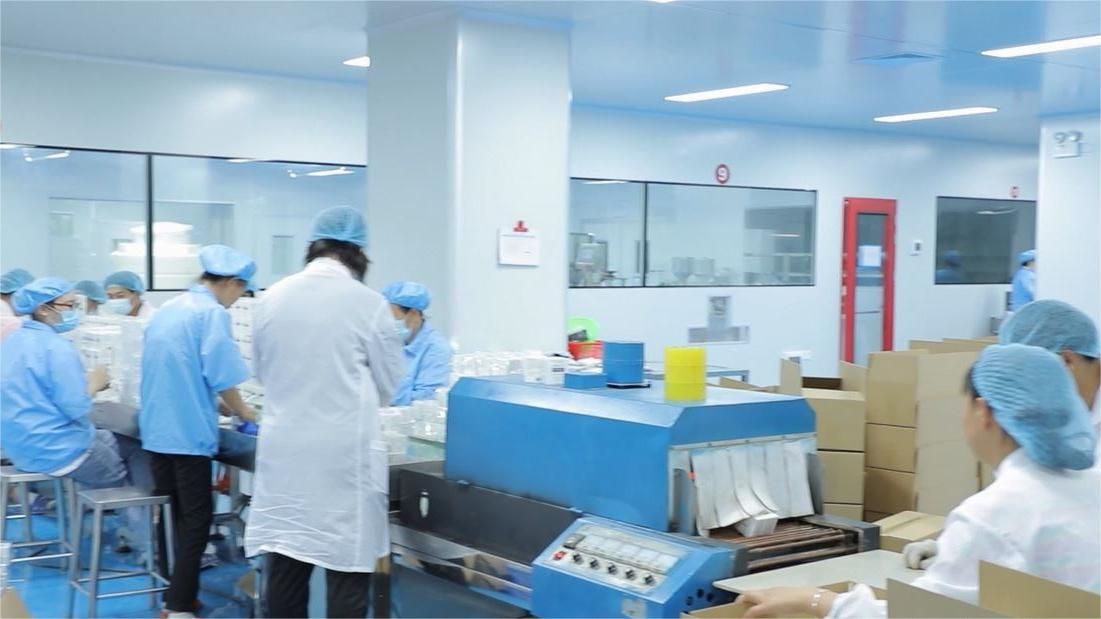
Operating a manufacturing facility certified under both GMPc (Guidelines for Good Manufacturing Practice of Cosmetics) and ISO 22716:2007 standards, we ensure that every production run complies with international safety, hygiene, and documentation requirements. Our processes incorporate automated raw material weighing, closed-loop vacuum emulsification, and multi-stage microbial testing to deliver safe, clean-label cosmetic formulations to global markets, including North America, Europe, the Middle East, and Southeast Asia.
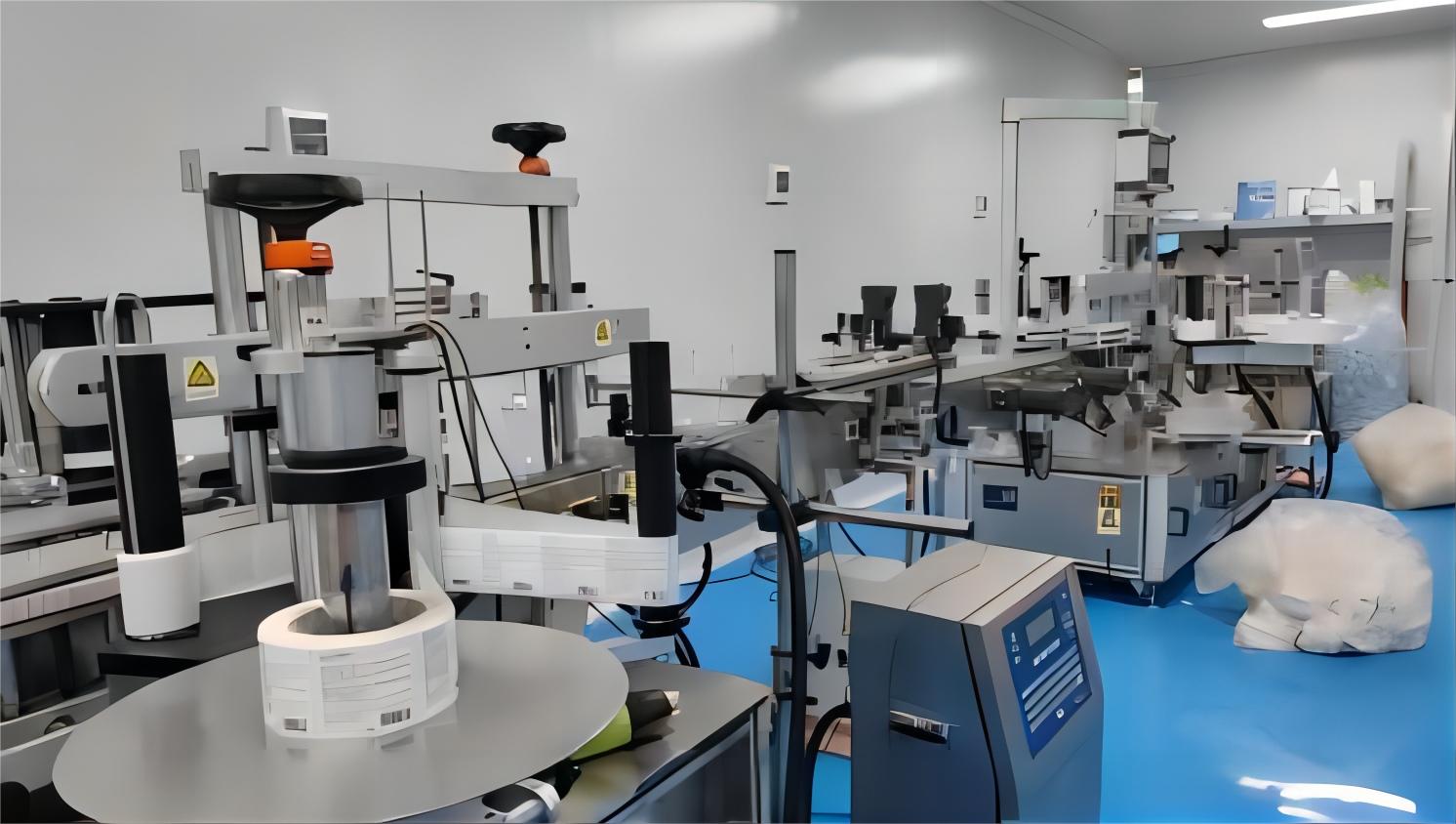
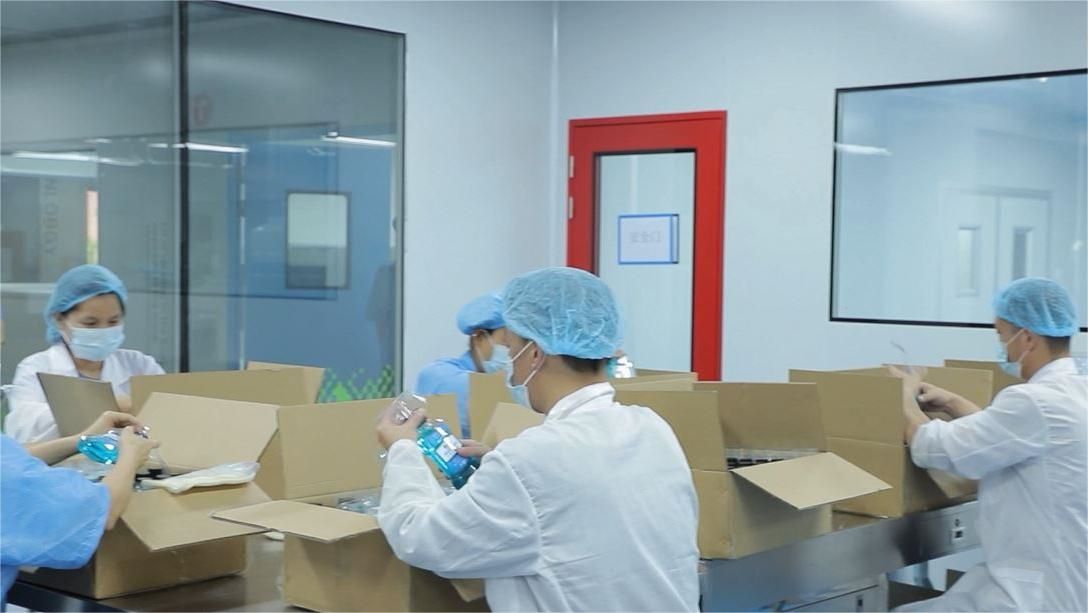
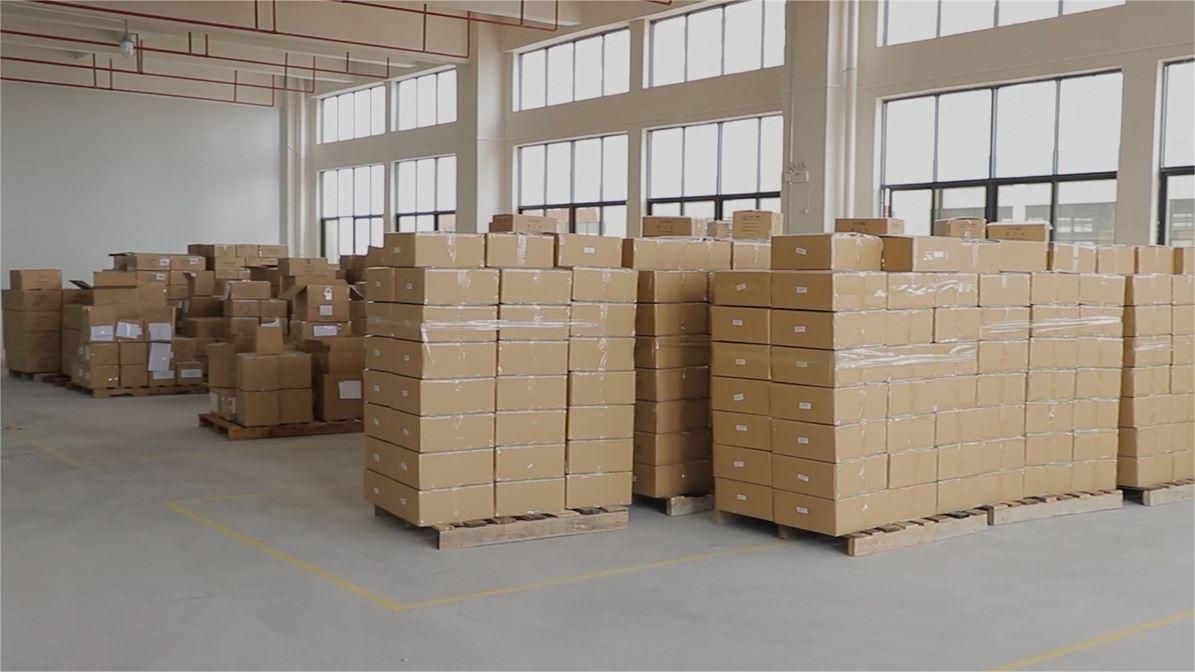
Standardized Cosmetic Manufacturing Process Flow
Every step of our production line is carefully monitored to guarantee formula stability, sterility, and regulatory compliance.

4. Global Compliance Protocols & Safety Assurances
Navigating cross-border regulatory frameworks is essential for launching sun protection makeup lines internationally.
Regulatory Standards: FDA, REACH, EU Annex VI
Developing makeup products with sun protection factors requires compliance with varying regional standards. For the North American market, SPF products are classified as OTC drug products. This classification requires that active ingredients undergo strict testing and that the manufacturing site be FDA-registered. Shenzhen TPL Beauty supports global clients by providing compliant formulations and administrative documentation, including Safety Data Sheets (SDS), ingredient listings, and certificate of analysis (COA) records.
For European distribution, all cosmetic formulas must align with EU Regulation (EC) No 1223/2009. We formulate utilizing only approved UV filters specified in Annex VI. Additionally, we verify that our formulas meet REACH chemical standards and California Proposition 65 requirements (limiting traces of heavy metals, phthalates, and formaldehyde donors).
Validation Testing: SPF, PA, and Heavy Metals
We work with accredited third-party testing laboratories (such as SGS, Intertek, and Eurofins) to validate formulation claims before packaging and retail distribution:
- In-Vivo SPF Testing (ISO 24444): Conducted on human subjects to determine the actual Sun Protection Factor against erythema-inducing UVB radiation.
- In-Vitro UVA Protection Factor (ISO 24443): Measures transmittance to evaluate critical wavelength limits, ensuring broad-spectrum protection.
- Preservative Efficacy Testing (PET / Challenge Test): Confirms the cosmetic base resists microbial growth when exposed to consumer usage contamination.
- Heavy Metal Assay: Verifies that traces of lead, arsenic, mercury, and cadmium remain well below international regulatory thresholds.
5. Global Enterprise Procurement & OEM/ODM Frameworks
A structural breakdown of the custom formulation process, private label options, and supply chain timelines.
Custom Formulation (OEM)
For brands seeking unique market positioning. Collaborating with our cosmetic chemists, we develop bespoke formulas adjusting viscosity, coverage, finish (dewy, satin, matte), and specific SPF targets from scratch.
Private Label & Catalog Customization
For brands looking to launch quickly. Select from our pre-developed, stability-tested bases and customize the packaging, shade selection (from fair to deep tones), and branding options with low MOQs.
Turnkey Supply Chain Management
We manage raw material sourcing, packaging design, bulk formulation, printing, automated filling, boxing, and international customs clearance, ensuring a seamless path to market.
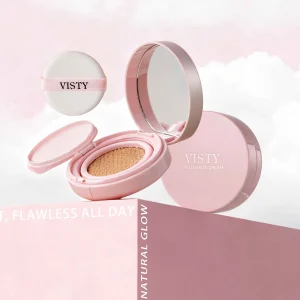
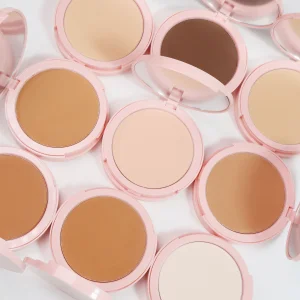
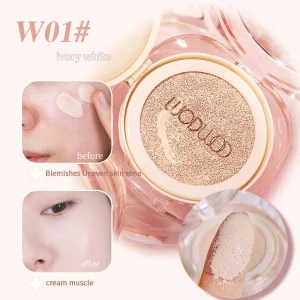
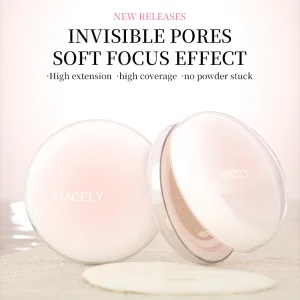
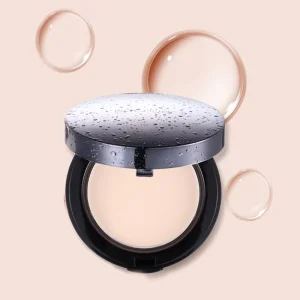
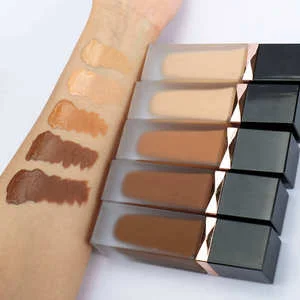
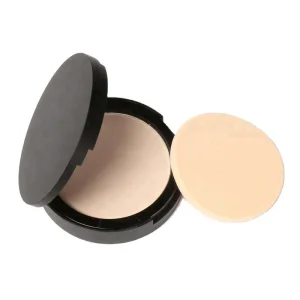
Advanced Complexion Formulations with SPF
Explore our second selection of custom-labeled cosmetic products engineered to protect, hydrate, and perfect all skin types.
6. Q&A / Technical FAQ
Crucial Sourcing Questions Answered by Lead Formulation Chemists and Regulatory Managers