1. The Paradigm Shift: From Heavy Foundations to Smart Skin Tints
The global cosmetics landscape is undergoing a structural transition. The historical dominance of high-pigment, heavy-coverage matte foundations is being actively challenged by clean, lightweight, skin-first formulations. Known as Skin Tints, these hybrid formulations represent the intersection of advanced dermatology and color cosmetics. As consumers globally prioritize a "clean girl" aesthetic and skin barrier health, brands must adapt by offering products that deliver minor color correction alongside active skincare benefits.
Skin Tints operate at a lower pigment load (typically 3% to 8% iron oxides, compared to 15% to 25% in traditional foundations). This lower pigment concentration is suspended in a sophisticated, highly breathable emulsion matrix. Developing these formulations requires a precise balance of rheology modifiers and surface-treated pigments to prevent sedimentation while maintaining a ultra-low viscosity fluid structure.
Information Gain Insight: The Hybridization Ratio
Modern skin tints are not simply diluted foundations. They are structured as high-internal-phase emulsions (HIPE) or organogel networks that lock in moisture (utilizing humectants like hyaluronic acid and squalane) while delivering an isotropic light-scattering effect that blurs imperfections without masking the skin's natural texture.
2. Defining the Technical Parameters of Premium Skin Tints
From a chemical and manufacturing perspective, a successful skin tint must demonstrate exceptional suspension stability, shear-thinning non-Newtonian flow behavior (for smooth application), and compatibility with broad-spectrum UV filters. Leading Chinese manufacturers utilize advanced surface-treatment technologies for mineral pigments, utilizing triethoxycaprylylsilane or natural amino acid coatings (such as Lauroyl Lysine) to ensure uniform dispersion and hydrophobicity.
Furthermore, the integration of skincare actives—such as Niacinamide (Vitamin B3), stabilized Vitamin C derivatives, ceramides, and botanical extracts—demands strict temperature controls during the emulsification phase. If the active ingredients are exposed to temperatures exceeding 75°C, thermal degradation can occur, compromising the product's efficacy and shelf-life stability.
Unrivaled Advantages of Chinese Cosmetics Manufacturing
Why leading beauty brands choose Chinese suppliers for skin tint formulations and scalable production.
Advanced Raw Material Ecosystem
Chinese factories are physically situated at the heart of the global chemical supply chain. This proximity ensures instant, cost-effective access to state-of-the-art silicones, green esters, natural emollients, and active ingredients. Collaborative partnerships with leading chemical research hubs allow rapid sourcing of patented skin-barrier repair agents.
State-of-the-Art Emulsification Tech
Achieving a stable water-in-oil (W/O) skin tint with low viscosity requires high-shear vacuum homogenization. Chinese manufacturing facilities are equipped with German-engineered and top-tier domestic vacuum emulsifying mixers, ensuring oil droplets are reduced to the sub-micron scale, preventing syneresis and phase separation over time.
Unmatched Prototyping Speed
The product development cycle in China's cosmetic hubs is highly streamlined. R&D laboratories can produce custom color-matched prototypes, perform initial stability testing, and finalize ingredient listings (INCI) within 10 to 14 days, significantly lowering the time-to-market for fast-growing global brands.
Shenzhen TPL Beauty Co., Ltd.
Your Trusted Partner for Professional Private Label Cosmetics & OEM/ODM Customization
Founded in 2009, Shenzhen TPL Beauty Co., Ltd. is a professional full-service private label cosmetics manufacturer specializing in the research, development, production, and customization of high-quality color cosmetic products for global beauty brands, distributors, retailers, and e-commerce businesses.
Our extensive product portfolio covers a wide range of makeup categories, including eyeshadow palettes, lipsticks, lip glosses, liquid lipsticks, foundations, concealers, blushes, highlighters, bronzers, mascaras, eyeliners, eyebrow products, setting powders, and other innovative beauty solutions. From initial concept development and custom formula design to packaging customization and mass production, we provide comprehensive OEM/ODM services tailored to meet diverse market demands.
Global Compliance Guaranteed
Our formulations comply with all major international cosmetic requirements, including the EU Cosmetic Regulation (EC No 1223/2009), REACH, FDA MoCRA guidelines, and California Proposition 65. We provide full documentation: MSDS, COA, stability reports, and challenge tests.
With extensive experience serving customers across North America, Europe, the Middle East, Southeast Asia, and other international markets, we have a deep understanding of global cosmetic regulations and quality standards. We provide complete documentation support, including product testing reports, safety assessments, MSDS, ingredient documentation, and regulatory filing assistance.
Our manufacturing facility operates under strict quality management systems and is certified with GMPc and ISO 22716 standards. Every stage of production, from raw material sourcing to finished product inspection, is carefully monitored to ensure consistent quality, safety, and performance.
TPL Beauty is committed to developing clean, safe, and trend-driven cosmetic products. Driven by innovation, quality, and customer satisfaction, Shenzhen TPL Beauty Co., Ltd. continuously invests in product development, color trend research, and advanced manufacturing technologies to help clients build successful and competitive beauty brands in the global marketplace.
Our Certified Step-by-Step Production Process
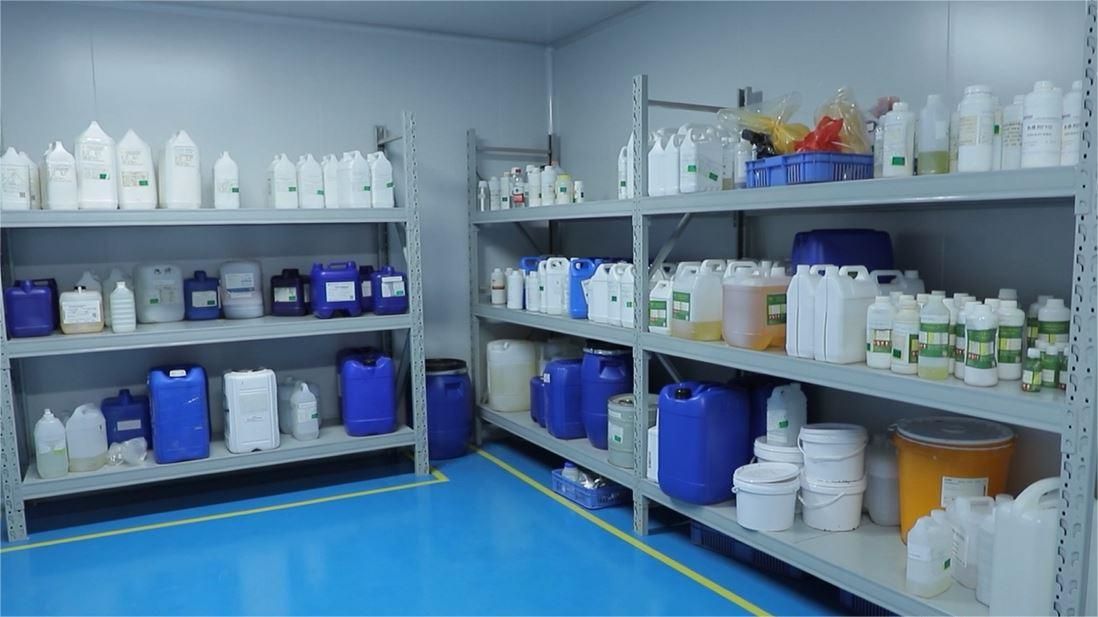 Step 01
Raw Material Sourcing
Verification of cosmetic ingredients, ensuring raw materials comply with international safety regulations and physical purity standards.
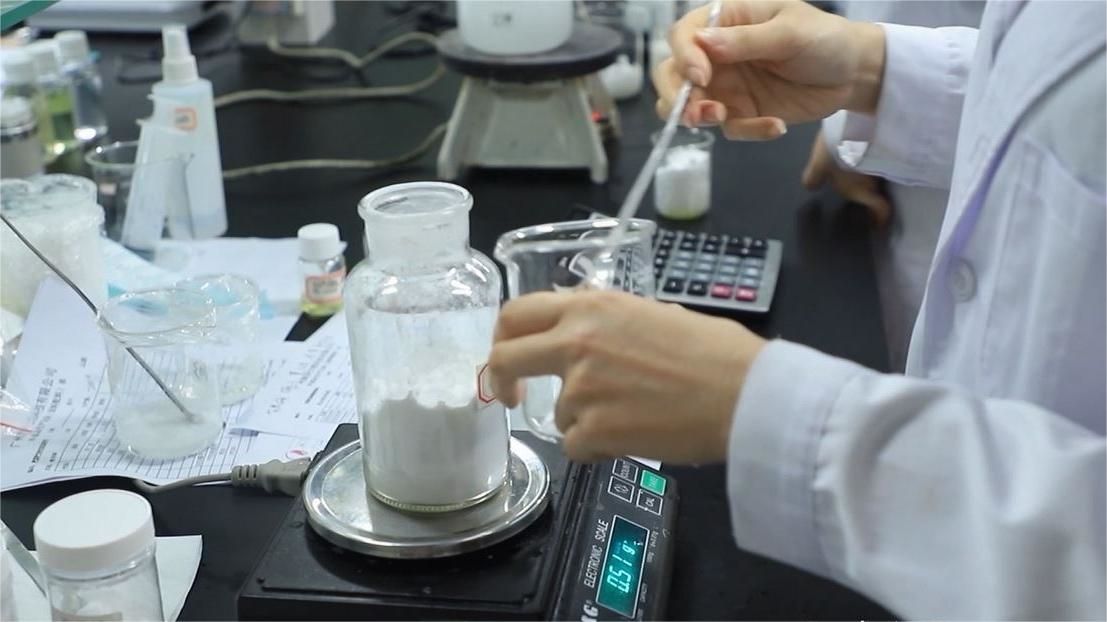 Step 02
Weighing & Dispensing
High-precision digital scales weigh raw materials in a controlled cleanroom environment to guarantee formulation consistency.
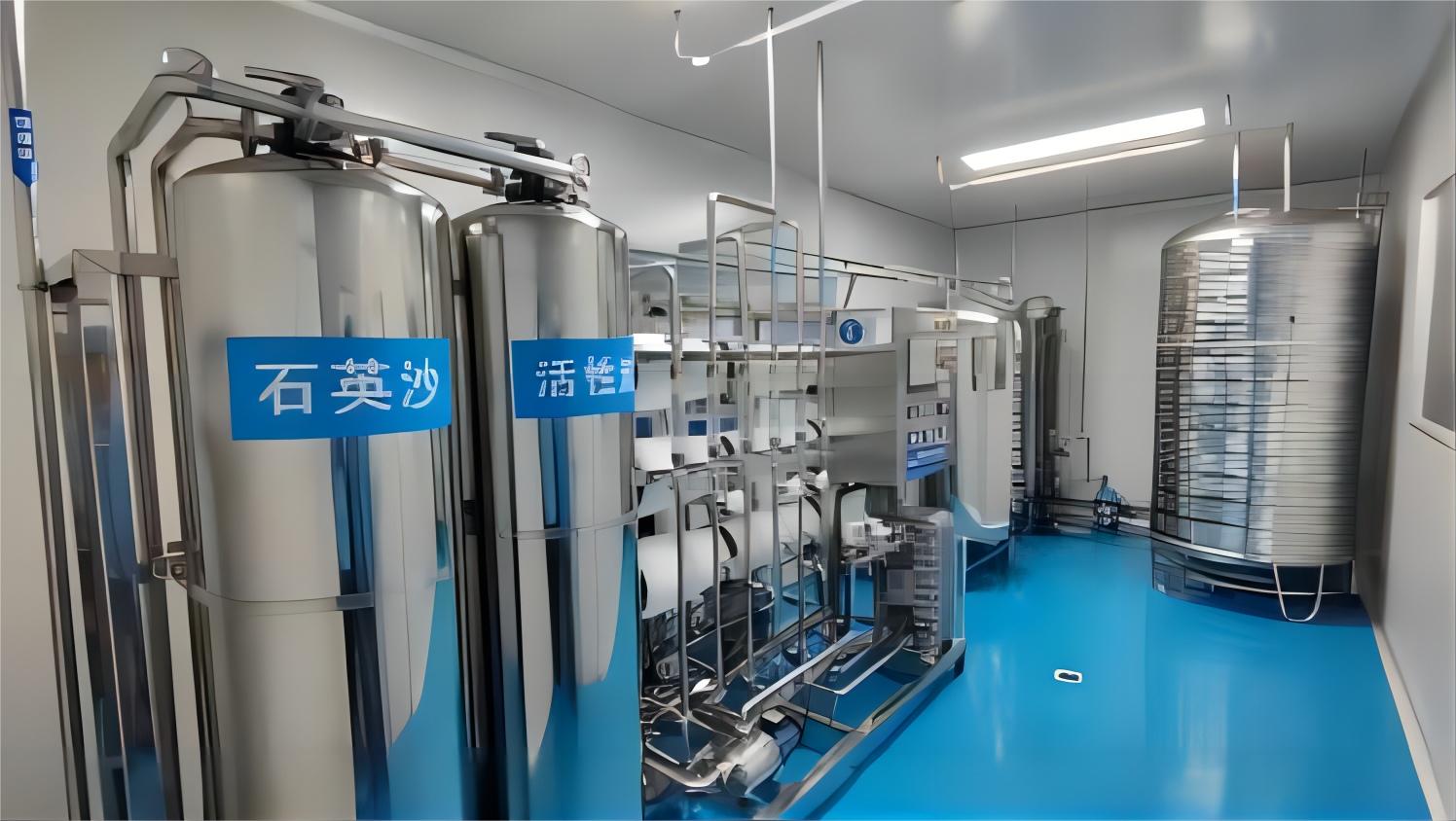 Step 03
EDI Pure Water Filtration
Utilizing advanced EDI and reverse osmosis systems to produce ultra-pure water, preventing microbial contamination in liquid products.
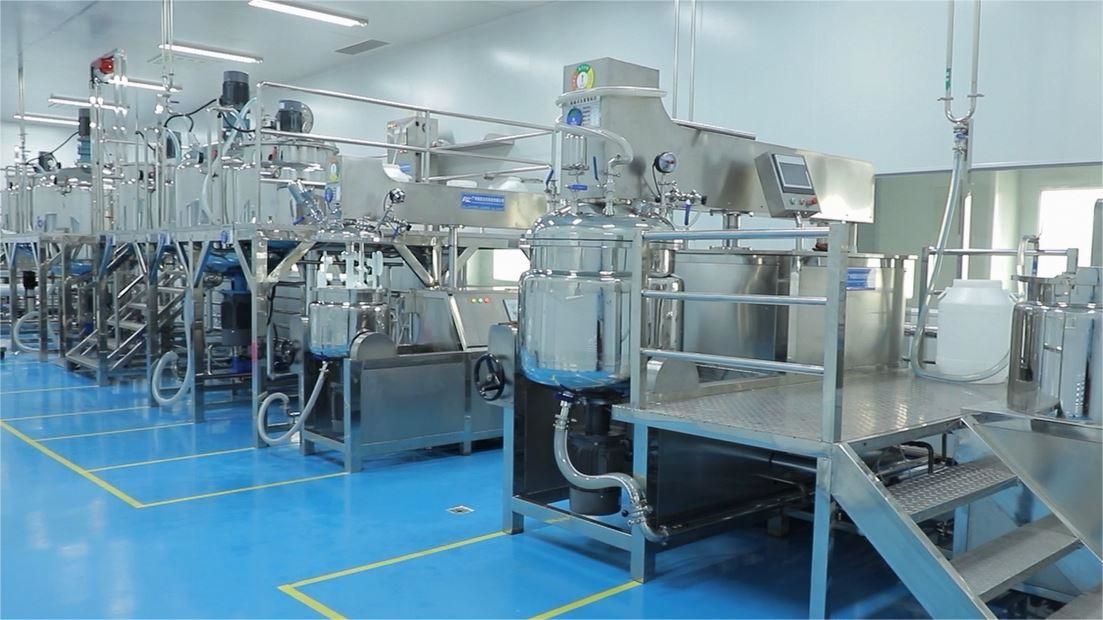 Step 04
High-Shear Emulsifying
Vacuum emulsifying mixers fuse water and oil phases under strict pressure and temperature settings for ultra-stable textures.
 Step 05
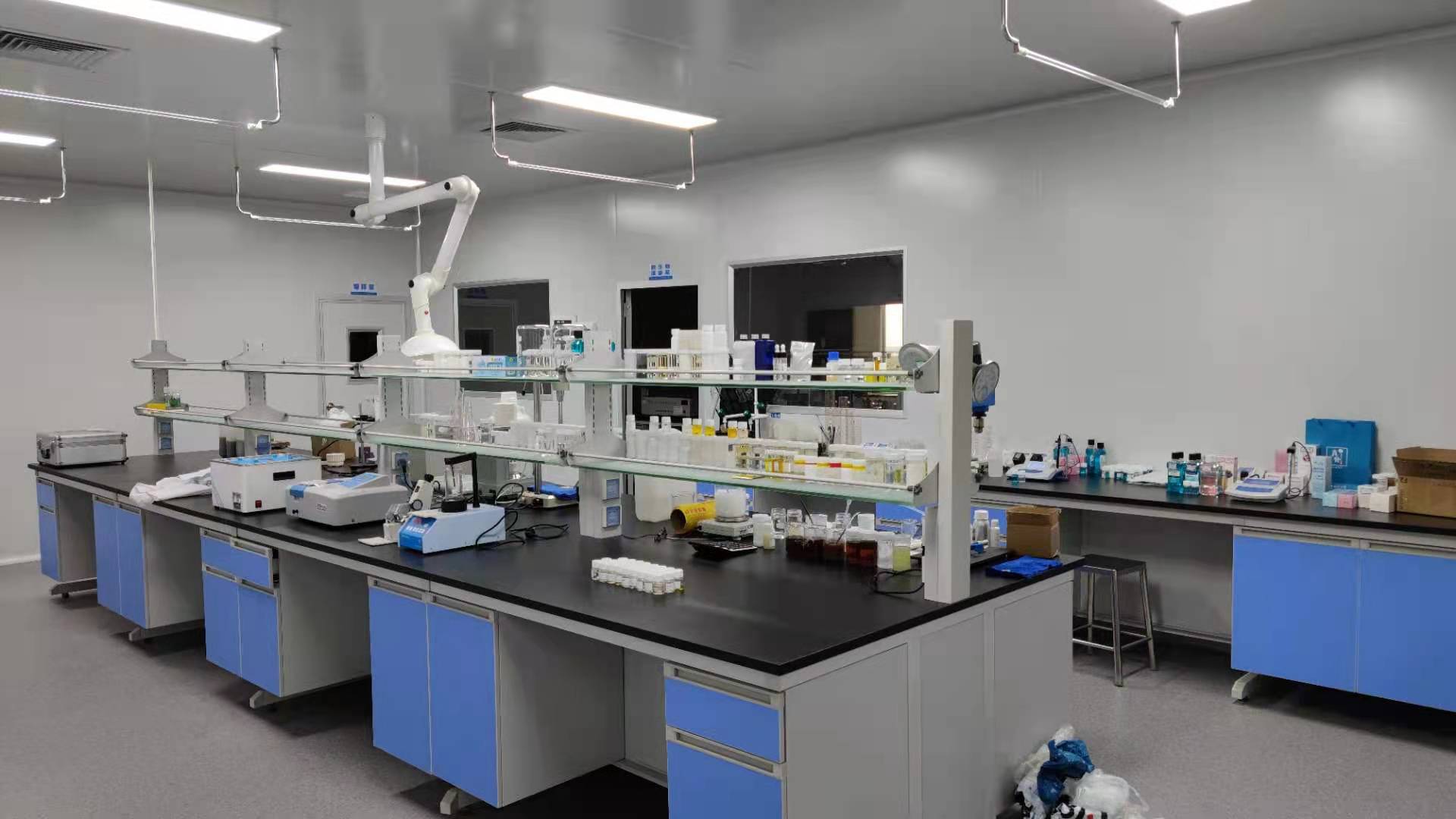
Quality Control Testing
Lab technicians conduct microbiological assays, viscosity checks, and pH testing on every batch before filling.
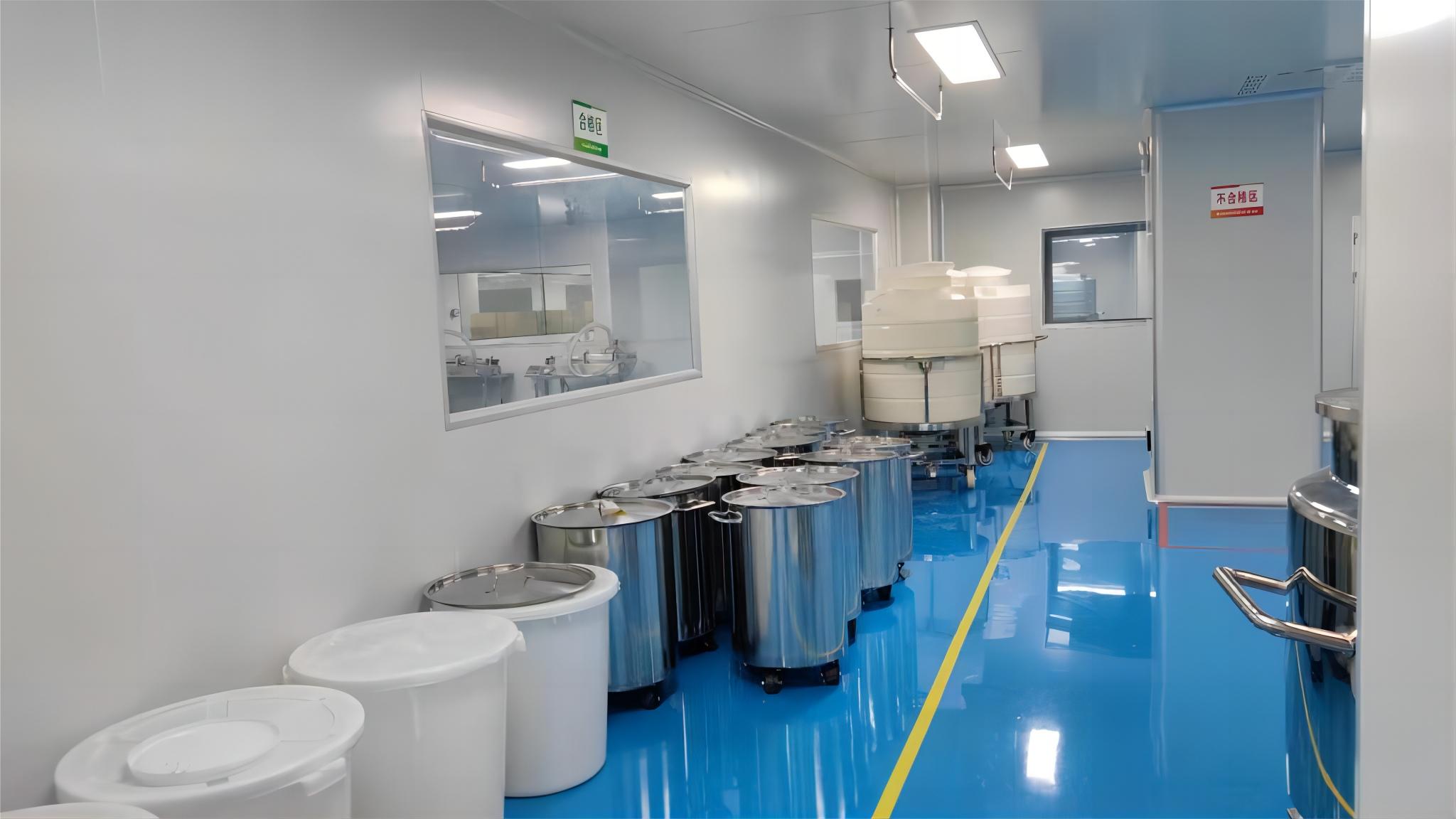 Step 06
Product Aging & Standing
The emulsified bulk material is held in sterile settling tanks to equilibrate and release micro air bubbles naturally.
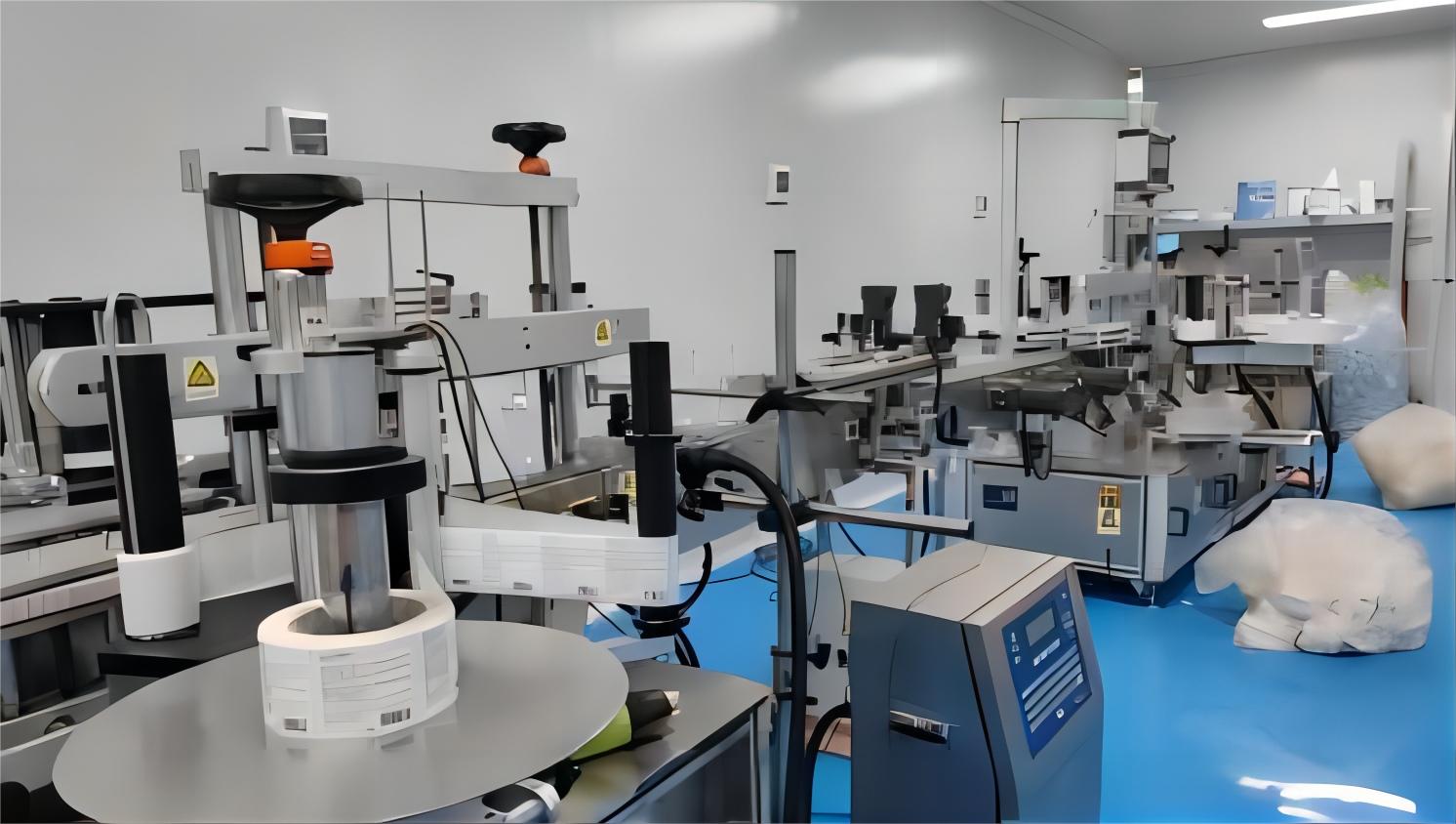 Step 07
Coding & Traceability
High-resolution batch coding is printed on packaging materials to maintain absolute supply chain accountability.
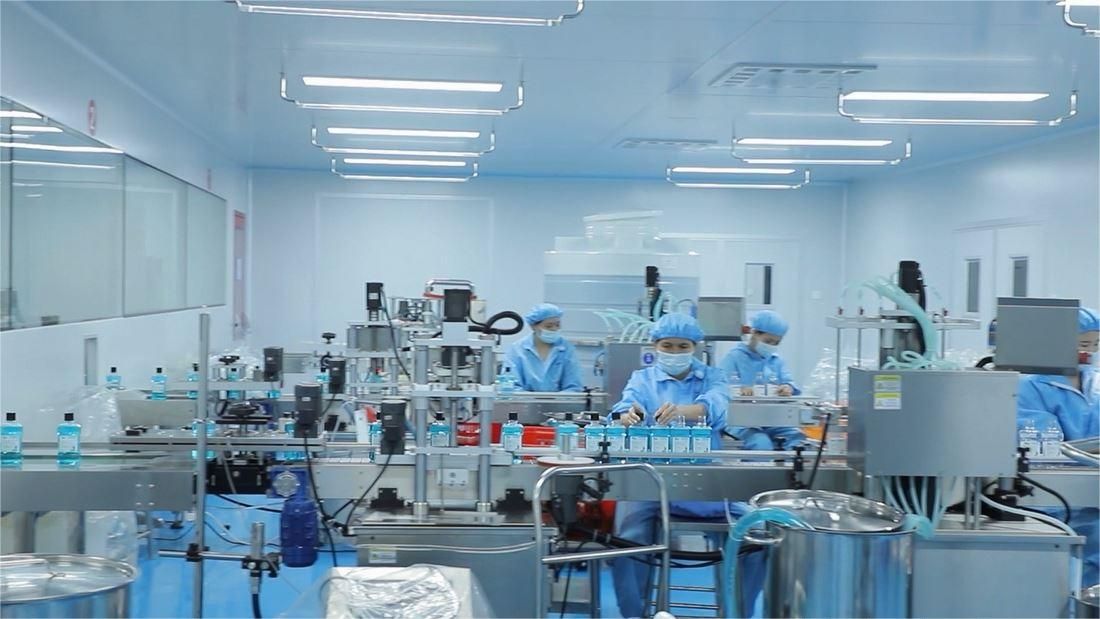 Step 08
Automated Emulsion Filling
Precise volumetric nozzles distribute skin tints and foundations into primary containers within cleanroom zones.
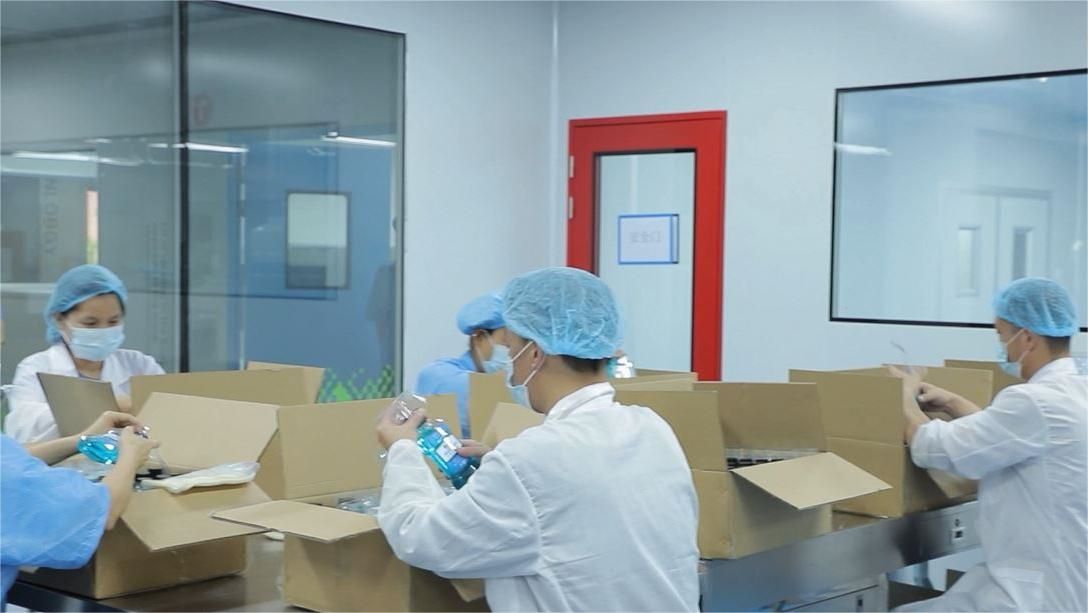 Step 09
In-Line Inspection
Physical inspectors check fill weight, container sealing, and aesthetic alignment to eliminate defect rates.
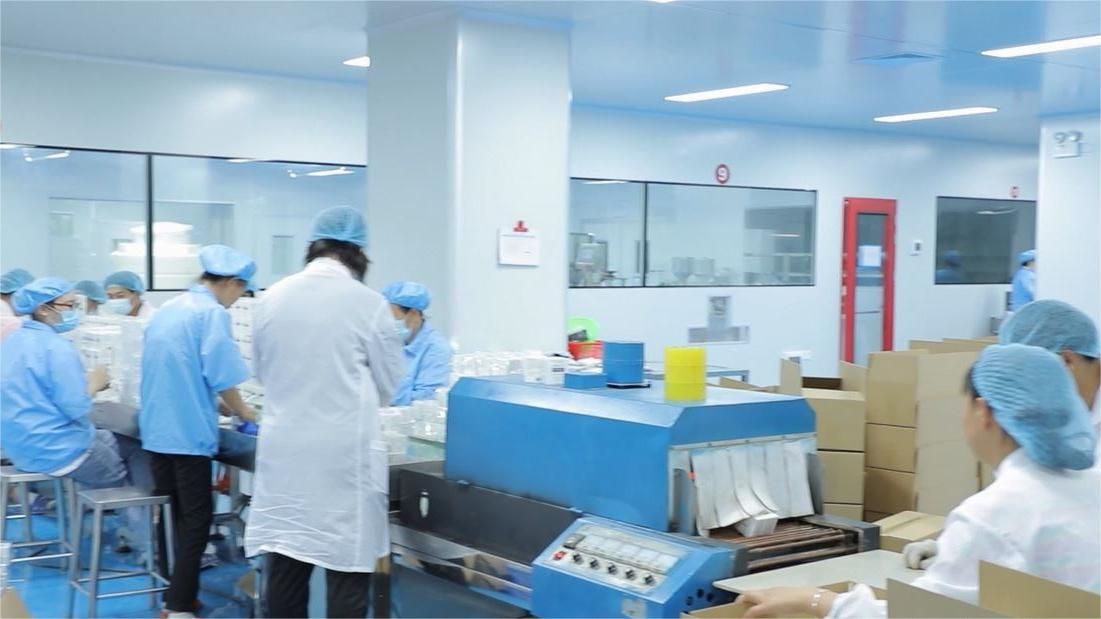 Step 10
Protective Packing
Products are carefully wrapped in custom dividers and boxes to ensure safe transport during international shipping.
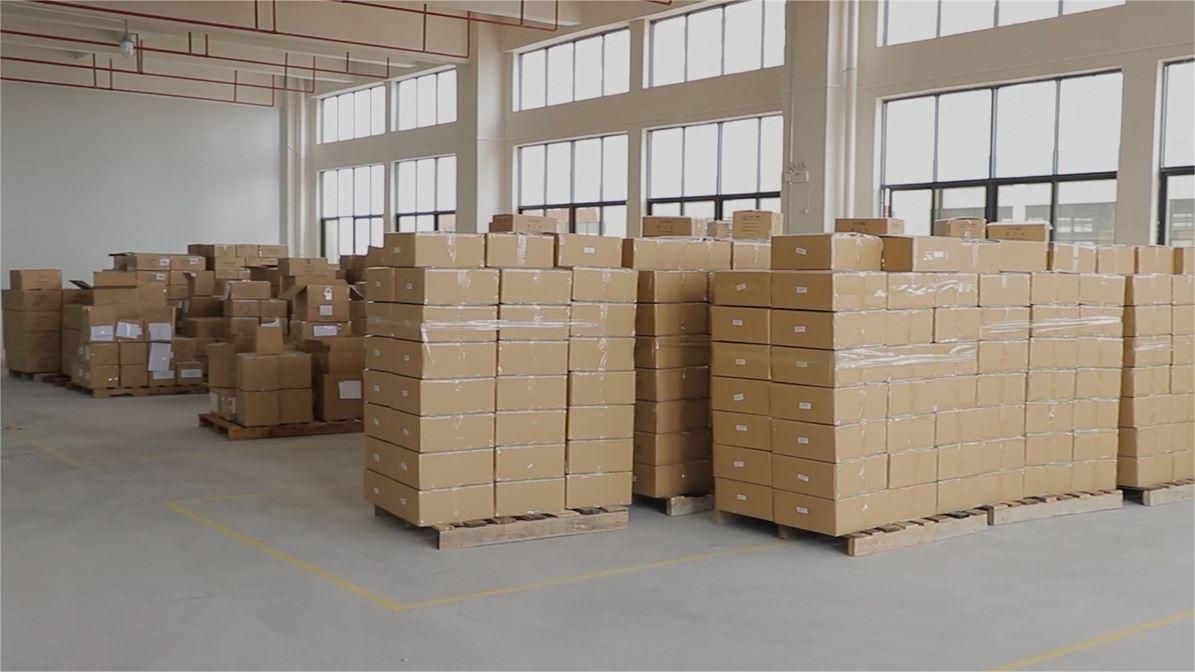 Step 11
Packed Production & Logistics
Palletized finished goods await dispatch, supported by complete shipping documentation (MSDS, Sea/Air Freight certifications).
3. Macro Formulation Solutions for Brand Customization
When selecting a skin tint supplier, brand managers must decide on the fundamental emulsion structure. The choice of emulsion system dictates the sensory properties, skin feel, and stability of the product.
Water-in-Silicone (W/Si) Emulsions: This has historically been the industry standard for long-wear cosmetics. Volatile silicones (such as Cyclopentasiloxane or Trisiloxane) provide a silky, dry skin-feel that evaporates to leave a uniform film. However, global regulatory focus on D5 and D6 silicones has driven demand for alternative formulations.
Natural Oil-in-Water (O/W) Emulsions: Ideal for brands positioning themselves in the clean beauty sector. By utilizing polyglyceryl-based natural emulsifiers, manufacturers can create biodegradable skin tints. These formulas are enriched with lightweight esters (e.g., Coco-Caprylate/Caprate) to mimic the sensory profile of silicones while remaining silicone-free.
Stabilizing SPF in Skin Tints
Integrating sunscreen actives (like Zinc Oxide and Titanium Dioxide) requires surface treatment with organic compounds. This modification prevents the agglomeration of minerals, which is the primary cause of a white cast and chalky texture on deeper skin tones.
4. Inclusivity & Shade Range Customization (E-E-A-T Target)
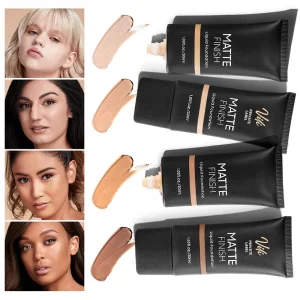
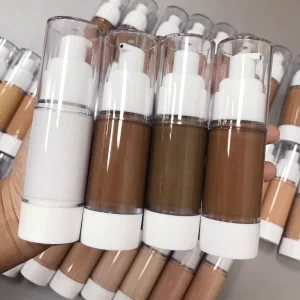
Under Google's Search Quality Rater Guidelines, showing expertise in shade inclusivity is a critical trust signal for modern beauty brands. Historically, mass production facilities struggled with shade consistency in deep skin tones, often producing undertones that looked muddy or excessively red.
Shenzhen TPL Beauty utilizes state-of-the-art spectrophotometers (such as X-Rite systems) to measure color values across the L*a*b* color space. This technology allows us to maintain strict Delta E values (ΔE < 1.0) between production batches. We formulate with blue and green iron oxide pigments to create balanced olive, warm, and cool undertones across a diverse spectrum of global skin tones.
Furthermore, we employ specialized wet-milling techniques for iron oxides to ensure pigment particles are completely de-agglomerated. This step is essential for preventing color shift during application, ensuring the shade remains consistent from bottle to skin.
Global Enterprise Sourcing & Localized Market Demands
A strategic breakdown of regulatory compliances, regional consumer preferences, and logistics.
North American Market Requirements
Sourcing for North America demands strict compliance with FDA MoCRA regulations. Any skin tint claiming SPF protection must be manufactured in an FDA-registered facility and undergo formal USP <51> preservative challenge testing. Clean beauty lists from major retailers (like Sephora Clean and Target Clean) require formulas free from parabens, phthalates, and cyclic silicones.
European Union & UK Market Requirements
The European market has some of the world's strictest ingredient restrictions. All cosmetic products must possess a comprehensive Product Safety Report (CPSR) compiled by a certified safety assessor. Packaging must focus on post-consumer recycled (PCR) plastics or infinitely recyclable glass, aligning with the EU Circular Economy Action Plan.
Middle Eastern & Southeast Asian Market Requirements
These regions demand heat and humidity-resistant formulation architecture. Skin tints must feature high oil-control capabilities, utilizing oil-absorbing minerals such as Silica or Kaolin to prevent melting. In Southeast Asia, whitening and brightening ingredients, such as Alpha-Arbutin and Licorice Root Extract, are highly sought after to target hyperpigmentation.
Halal & Vegan Supply Chain Certification
For brands targeting markets in Indonesia, Malaysia, or the Middle East, ensuring that all raw materials are certified Halal and free from animal-derived components is a primary requirement for shelf placement.
Future Development Trends (2025–2030)
Stay ahead of the curve with cutting-edge technologies and emerging consumer demands.
Micro-Encapsulated Pigments
This technology uses cellulose or shellac coatings to encapsulate pigments inside a white or translucent cream base. Upon application, physical friction breaks the capsules, releasing the pigment to blend seamlessly with the user's natural skin tone.
Waterless Concentrate Formulations
To reduce shipping emissions and meet zero-waste targets, brands are looking toward waterless skin tint balms or powder-to-liquid formulas that hydrate when mixed with the customer's choice of moisturizer or water.
AI-Powered Smart Shade Matching
Utilizing high-speed imaging algorithms, factories can analyze regional skin tone data sets. This allows B2B buyers to select custom-curated shadow selections tailored to specific target demographics, reducing excess inventory.
Expert Q&A: Technical & Sourcing Insights
Common questions answered by our leading cosmetic formulation chemists and supply chain experts.