Learning how to do a natural no makeup look is not about hiding every mark. It is about making thoughtful choices that let real skin remain visible. A soft, believable finish can brighten the face without creating a heavy, painted effect. It also teaches useful makeup skills, including skin preparation, shade matching, and controlled application.
Professional makeup artist Bobbi Brown has long promoted this balanced approach. She said, “Makeup is a way for a woman to look and feel like herself, only prettier and more confident.” Her words explain why this technique matters. The goal is not transformation. It is confidence with restraint.
Begin with clean, moisturized skin and a thin layer of sunscreen. Use a sheer skin tint only where redness needs gentle evening. Tap concealer beneath the eyes and around the nose, rather than covering the entire face. Add cream blush high on the cheeks. Brush the brows upward, curl the lashes, and apply one light coat of mascara. Finish with a tinted balm.
Keep the texture visible.
Natural makeup can look different in daylight, office lighting, and photographs. That difference is normal. I sometimes apply too much concealer, then notice the makeup sitting heavily beside my nose. Removing half of it usually looks better. This small mistake is useful. It reminds us that a natural no makeup look depends more on patience than perfection. The result should feel comfortable, breathable, and recognizably yours.
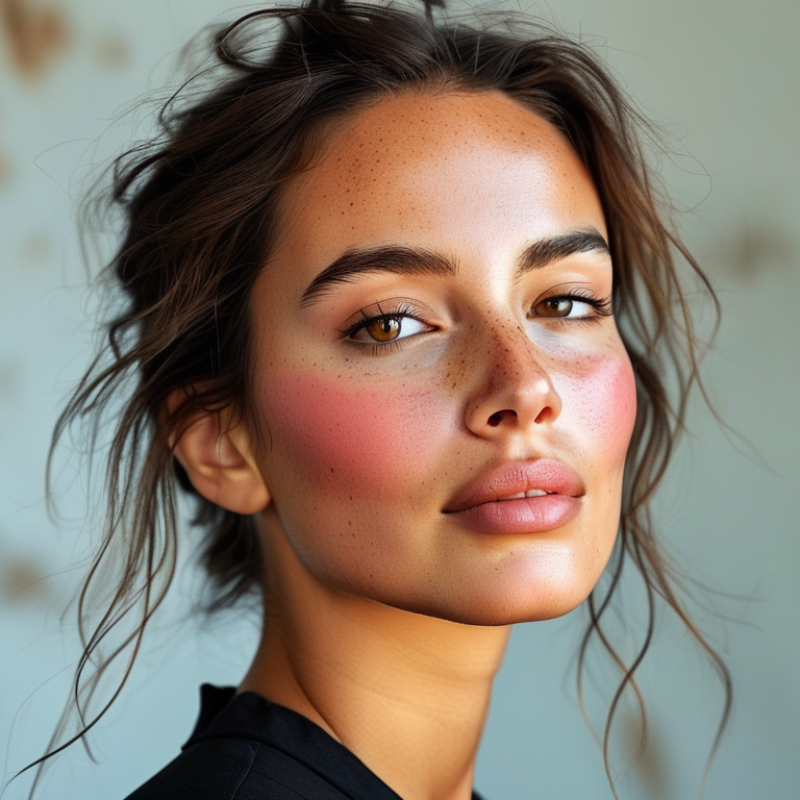
A natural no-makeup look means appearing fresh without hiding every feature. It is not the same as wearing nothing. The goal is balanced skin, softly defined eyes, and comfortable lips. In my experience, healthy-looking skin begins with gentle cleansing and light hydration. I wait a few minutes before applying complexion products. This helps prevent uneven patches around the nose and cheeks.
Use a thin layer of lightweight coverage only where redness or discoloration appears. Let freckles and natural texture remain visible. They make the face look real. A small amount of cream color on the cheeks can imitate a natural flush. Brushed brows, curled lashes, and a soft lip tint add quiet definition. Keep the edges blurred.
Less is not always better.
Lighting also changes the result. A look that seems subtle indoors may appear heavy in daylight. Check your face near a window before adding more product. I still sometimes apply too much concealer under my eyes, especially when I am tired. It can emphasize fine lines instead of hiding them. That mistake reminds me to pause and assess the skin’s actual needs. A natural finish should feel breathable, move comfortably, and suit the person wearing it, rather than follow one fixed standard.
Why Learn How to Do a Natural No Makeup Look?
Learning a natural no-makeup look is useful because it builds practical beauty skills. You learn how to read your skin, control texture, and enhance features without hiding them. It also saves time on busy mornings, interviews, travel days, and warm weather. Keep it breathable. A light base can feel more comfortable than several layered products.
This approach supports a skin-first routine. McKinsey’s 2023 beauty market report estimated that skincare represented 44% of global beauty sales in 2022. That figure reflects a wider shift toward skin health and daily maintenance. The American Academy of Dermatology also advises removing makeup before sleep and choosing products suited to your skin type. A natural look makes these habits easier to notice. Still, it is not automatically better for everyone. Dry patches may need moisture, while oily areas may need less shine.
Tips: Start with clean, moisturized skin. Use a small amount of complexion product only where redness appears. Press, rather than rub, around the nose and cheeks. Brush brows upward, then soften the edges. Add muted color to the cheeks and lips. Check your face in daylight. I still overblend sometimes, especially around the jaw. That small mistake reminds me to use less product and pause between layers.
McKinsey projects the global beauty market could approach 590 billion dollars by 2028, with steady annual growth. Understanding a simple, adaptable look helps you choose products more carefully instead of following every trend. Less can look polished.
A natural no-makeup look begins before makeup touches the face. Cleanse with lukewarm water and a gentle, fragrance-free cleanser. Hot water can leave skin tight and uncomfortable. Pat dry with a clean towel, rather than rubbing. Apply moisturizer while the skin is slightly damp. This helps soften dry patches around the nose and mouth.
Keep the layers thin. Too much product can make minimal makeup look heavy. In professional guidance, the American Academy of Dermatology recommends broad-spectrum sunscreen with SPF 30 or higher. Let it settle before applying concealer. Grand View Research estimated the global skincare products market at over 150 billion U.S. dollars in 2023, reflecting strong interest in daily skin preparation. Bigger numbers do not guarantee better routines, though.
I usually wait several minutes between moisturizer and makeup. It reduces pilling. A small amount of concealer can then cover redness without hiding natural texture. Cream blush pressed onto the cheeks often looks more believable than sharp powder. Avoid scrubbing before makeup; irritated skin rarely looks naturally fresh. Patch-test new products, especially when your skin reacts easily. I still sometimes apply too much moisturizer and mistake shine for healthy glow. That is a useful reminder: preparation should support the skin, not disguise it.
A natural no makeup look begins with healthy-looking skin, not heavy coverage. Cleanse gently, then apply moisturizer suited to your skin type. Give it a few minutes to settle. This prevents makeup from sliding or clinging to dry patches. In daylight, use a lightweight complexion product only where redness or uneven tone appears. A small brush or clean fingertip can soften the edges. Do not cover every freckle. Real skin adds freshness.
Next, tap a little concealer under the inner eyes and around visible blemishes. Blend outward, but leave some natural texture showing. Brush the brows upward and fill only sparse areas with fine, hairlike strokes. Curl the lashes and add one light coat of mascara. Cream blush placed high on the cheeks creates gentle warmth. Press the same color onto your lips. The result should look soft, not perfectly polished. I sometimes overblend and lose the lively color, so I now pause before adding more.
Tips: Check your face near a window. Indoor lighting can hide uneven blending. Use clean tools, especially around the eyes. If your skin feels tight, stop and add moisture instead of layering makeup. A barely-there look may take less product, but it still needs patience. Five quiet minutes help.
A fresh, barely-there appearance focuses on lightweight preparation, subtle definition, and skin-like finishes. The routine below shows a practical time allocation for creating the look in approximately 12 minutes.
A natural no-makeup look should change with your day, not fight it. For work, use sheer coverage, brushed brows, and muted cream color. For a humid commute, choose thin layers and set only the forehead, nose, and chin. Dry skin may need a richer moisturizer underneath, while oily skin often needs less product, not more powder.
Industry data supports this flexible approach. Circana reported that U.S. prestige makeup sales grew 15% in 2023, showing continued interest in complexion and color products. Euromonitor International’s beauty consumer research also highlights demand for convenient, multifunctional routines. These findings suggest that adaptable makeup fits modern schedules. However, “natural” does not mean identical for everyone. Skin texture, climate, lighting, and personal comfort still matter.
Tips: Test the look in daylight before leaving home. Keep a small sponge for midday blending. Use separate tools for eyes and complexion, and clean them regularly. I still sometimes overblend my concealer, especially around the nose. That is a useful reminder: real skin needs visible texture. For evening plans, add one thin layer of concealer and a slightly deeper lip tone. For sensitive skin, introduce one new product at a time and check the ingredient list. Patch testing is sensible, although it cannot predict every reaction. The goal is controlled adjustment, not flawless camouflage.
: It builds practical skills for reading skin and enhancing features without covering everything. It also saves time on busy mornings. Less can feel more comfortable.
Cleanse with lukewarm water and a gentle, fragrance-free cleanser. Pat your face dry with a clean towel. Apply moisturizer while the skin remains slightly damp.
Yes, apply broad-spectrum sunscreen with SPF 30 or higher. Let it settle before using concealer. Do not rush this step.
Use a small amount only where redness or uneven tone appears. Press it around the nose and cheeks. Avoid rubbing across dry patches.
Keep every layer thin. Too much product can make natural makeup look heavy. Pause between layers and check your face in daylight.
Brush the brows upward first. Then soften the edges with light, controlled strokes. Perfect symmetry is not necessary.
Choose muted shades for the cheeks and lips. Pressed cream color often looks softer than sharp powder. Use a little first.
Excess moisturizer can look like unwanted shine. Overblending may leave product around the jaw. I still make both mistakes. That reminds me to pause and use less.
A natural no-makeup look is about enhancing your features while keeping the skin fresh, comfortable, and believable. Learning how to do a natural no makeup look can simplify your daily routine, improve confidence, and help you create a polished appearance without feeling heavily made up. The style focuses on balanced, healthy-looking skin, soft definition, and a subtle finish that suits many occasions.
The process begins with gentle skin preparation, including cleansing, moisturizing, and daytime protection when needed. Light complexion coverage can even out the appearance of skin, while carefully applied touches of color add warmth and brightness. Softly shaped brows, naturally defined eyes, and a hydrated-looking lip complete the look without overpowering the face. You can adjust the coverage, finish, and amount of definition for work, casual days, special events, or changing weather. With simple maintenance and a few thoughtful techniques, this understated appearance can remain fresh and comfortable throughout the day.
