China Top 10 Mascara Why Is It Smudging Under My Eyes?

Time:2026-11-14 Author:Mason
0%

Mascara can look flawless at 8 a.m. and leave gray shadows beneath your eyes by lunch. If you keep asking, “why is my mascara smudging under my eyes,” the formula may be only part of the answer. Oily eyelids, watery eyes, humid weather, skincare residue, and lower lashes brushing the skin can all contribute. Small details matter. A rich eye cream or a quick rub can undo careful application.

The global mascara market was estimated at about US$7.1 billion in 2023, according to Grand View Research’s industry report. That figure describes market size, not product performance, but it shows why formulas vary widely. In this guide to China’s top 10 mascara options, we’ll compare practical features such as wear claims, brush shape, removal, and suitability for different lash types. Waterproof formulas may resist moisture, yet they can feel less comfortable and require gentler removal. Tubing formulas may form sleeves around lashes, though results differ by product and user.

There is no universal fix. Skin type, application, and climate change the outcome. I’ve also seen “long-wear” claims treated like guarantees; they aren’t. Check the label, test a new product carefully, and stop using it if irritation develops. The best mascara is not always the boldest one. Sometimes, one thin coat works better.
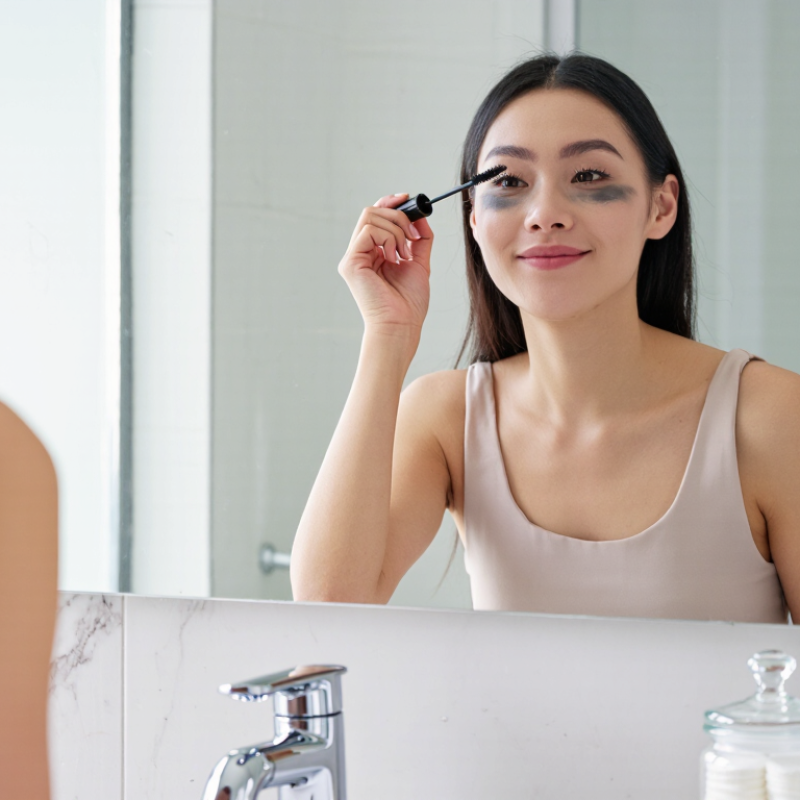
China Top 10 Mascara Why Is It Smudging Under My Eyes?

Understanding Why Mascara Smudges Beneath the Eyes

Mascara smudging beneath the eyes often happens when wet pigment meets moisture or oil. Creamy eye products, sunscreen, and natural skin oils can soften the formula as the day goes on. Long lashes may also brush the under-eye area with every blink. Humidity, watery eyes, and rubbing can make the marks appear sooner. It happens. The cause is not always the mascara itself; small changes in skincare or weather can matter.

Try applying eye cream and sunscreen sparingly near the lash line, then let them dry before applying mascara. Use a thin coat and wait until it sets before adding another. If marks still appear, leave the lower lashes bare for a day and see whether that helps. Blotting excess oil beneath the eyes may also reduce transfer. Waterproof formulas can resist moisture, but they may require more careful removal and are not comfortable for everyone. Results vary, honestly. If mascara causes persistent redness or discomfort, stop using it and seek advice from an eye-care professional.

How Mascara Formulas and Wand Design Affect Wear

China Top 10 Mascara Why Is It Smudging Under My Eyes?

Mascara can leave dark marks beneath your eyes even when your lashes looked neat at home. The formula and wand both affect how much product reaches your lashes and how well it stays put. Creamy, slow-drying formulas may transfer before they set, especially in warm, humid weather. Natural skin oils and rich eye cream can also soften the product throughout the day. Waterproof formulas may resist moisture, but they can still smudge when oils break them down.

Wand design matters, too. A large brush can deposit more mascara than short lashes need, leaving wet clumps near the roots. A narrow, well-spaced brush often gives better control and separates lashes with less buildup. Curved or tapered wands can help reach inner and lower lashes, but technique matters more than shape alone. It is easy to blame the formula; sometimes, applying a second coat too quickly is the real issue.

Tips: Wipe excess mascara from the wand before applying. Let each coat dry, and keep eye cream away from the lash line. Try a lighter formula or a smaller wand, then check for smudging after a few hours. Small changes help, though results can vary with skin type and weather.

How Skin Type, Eye Shape, and Daily Habits Cause Smudging

Mascara smudging beneath your eyes is often a transfer problem, not proof that the formula is poor. The skin around the eyes can produce oil, which may soften mascara during the day. Rich eye cream or sunscreen can add slip if it has not settled before application. Even dry skin can contribute: flakes and rubbing may disturb mascara.

One detail is easy to miss. A formula that stays put on one person may migrate on another.

Eye shape affects where lashes touch. Hooded lids may brush against upper lashes, while long lower lashes can mark the skin below. Daily habits matter too. Applying mascara over damp skincare, layering several wet coats, or rubbing tired eyes can all encourage smudging.

Let skincare settle, apply thin coats, and notice whether upper or lower lashes leave the marks. Change one habit at a time; it is not a perfect test, but it can reveal a pattern. If smudging comes with burning or redness, stop using the product and seek professional advice.

How to Apply Mascara to Reduce Under-Eye Transfer

To reduce under-eye transfer, start with clean, fully dry lashes. Skincare residue and oily lids can soften mascara near the roots. Blot the lower lash area gently; don’t rub it. Curl lashes before applying mascara, then wipe excess product from the wand. A thin coat is easier to control.

Look straight into a mirror and wiggle the wand at the upper lash roots, moving toward the tips. Keep the brush away from the skin beneath your eyes. Let the first coat dry before adding another. Small detail, big difference. If your lower lashes often leave dark dots, skip them or apply only the faintest touch to their tips. This is not foolproof; humidity, watery eyes, and natural skin oils still matter.

Circana’s 2024 U.S. prestige beauty report recorded 5% growth in makeup sales. That is sales data, not proof that any application method prevents smudging. Still, it shows why wear and finish matter to shoppers. Check your lashes after a few minutes, then again later. If transfer appears, use less product next time and note whether your eye cream or concealer feels slick. A little trial and error is normal.

Choosing from China’s Top 10 Mascaras for Smudge Resistance

Choosing from China’s Top 10 Mascaras for Smudge Resistance

Mascara under the eyes often comes from a mix of sebum, moisture, and repeated blinking. A rich cream may also transfer when lashes touch the lower lid. When comparing China’s top 10 mascaras, look beyond “long-wear” claims. Check whether the formula is tubing, water-resistant, or waterproof; these terms describe different wear characteristics. Small detail, big difference.

Grand View Research estimated the global mascara market at USD 7.14 billion in 2023 and projected a 5.9% annual growth rate through 2030. This market data reflects strong demand, but it does not prove any mascara resists smudging. Treat it as context, not a performance guarantee. For a fair comparison, check whether product testing reports include wear time, humidity exposure, or transfer after rubbing. Those details matter more than dramatic packaging claims.

Test a shortlist on clean, dry lashes, then check beneath the eyes after several hours. A narrow brush can coat roots with less product, while a heavy first layer may flake or transfer. If your eyelids are oily, a light powder around the lash line may help. It may not solve everything. Eye shape, skincare residue, and even a humid commute can change the result, so a single-day test is imperfect.

China Top 10 Mascara Why Is It Smudging Under My Eyes? - Choosing from China’s Top 10 Mascaras for Smudge Resistance

How to use this table: These are general mascara formula and brush types, not a brand ranking or laboratory test. Smudge resistance varies by product, application, skin oils, humidity, and wear time.

Mascara Type Typical Formula Feature Smudge Resistance Best For Possible Trade-Off Under-Eye Tip
Tubing Film-forming polymers wrap around lashes and form removable “tubes.” Often a good choice when ordinary mascara transfers; performance depends on the formula and wear conditions. People who experience smudging or flaking with conventional formulas. May come off in small pieces if rubbed; not every tubing formula wears the same way. Remove with warm water and gentle pressure if the product directions allow.
Waterproof Designed to resist water; formulas commonly use water-resistant film formers and waxes. Usually better than non-waterproof mascara against tears and water, but oil can still break down some formulas. Wet weather, swimming, or tear-prone eyes, subject to the product label. Typically requires an oil-based or otherwise suitable makeup remover; rubbing can irritate lashes and skin. Use a remover intended for waterproof eye makeup and avoid pulling at lashes.
Water-resistant Designed to withstand some moisture, but generally offers less water resistance than waterproof formulas. Moderate; the level of resistance varies by product and is not a guarantee against smudging. Everyday wear when occasional moisture is a concern. May not hold up as well in heavy rain, swimming, or prolonged exposure to tears. Check the packaging for the specific water-resistance claim and removal directions.
Standard washable Usually removes more readily with water or a mild cleanser than waterproof formulas. Can transfer more readily when exposed to moisture, oily skin, or rubbing. Easy removal and everyday use when smudging is not a major concern. May be less suitable for oily eyelids or long, humid days. Keep moisturizer and eye cream from remaining on the lash line before application.
Lengthening Often uses a separating brush and film-forming ingredients to coat lashes and emphasize length. Depends on whether the specific formula is washable, water-resistant, or tubing. A defined, separated look. Long lashes may touch the skin below the eye or brow, transferring product before it sets. Apply a thin coat and allow it to dry before blinking frequently or applying additional coats.
Volumizing Often deposits a thicker coating to make lashes appear fuller. Formula-dependent; a heavier application can increase the chance of transfer or flaking. A fuller, more dramatic lash appearance. Applying many coats before each layer dries can create clumps and excess product. Wipe excess product from the wand and build coverage with light coats.
Fiber Contains small fibers intended to attach to lashes and create a longer-looking effect. Varies by formula; loose fibers may flake, particularly if the product is layered heavily. Added length or a more noticeable lash effect. Fibers can irritate sensitive eyes if they shed or migrate. Use a light hand and stop using it if irritation occurs.
Curling May use a curved brush or a setting formula to help lashes hold a curled appearance. Smudge resistance is determined by the formula, not by the brush shape alone. Lashes that point downward or lose their curl during the day. A curved brush does not ensure a lasting curl or prevent transfer. Curl clean, dry lashes before applying mascara; never curl lashes after the mascara has dried.
Lower-lash or precision brush A smaller brush can make it easier to apply product to short or lower lashes. The smaller brush may improve control, but it does not change the formula’s resistance to moisture or oil. Precise application and less product on short lashes. Lower lashes can still touch the under-eye area and transfer product. Apply sparingly, or skip lower-lash mascara if transfer continues.
Sensitive-eye or fragrance-free May omit fragrance or include labeling for sensitive eyes; ingredient lists differ between products. Sensitivity labeling alone does not indicate smudge resistance; check the formula type and product claims. People seeking to avoid particular ingredients or who have sensitive eyes. “Sensitive” or “hypoallergenic” labeling does not guarantee that a product will suit everyone. Review the ingredient list and discontinue use if irritation develops.

Why mascara smudges under the eyes: Common causes include natural skin oils, sweat or tears, rubbing, product applied too heavily, mascara that has not dried, and lashes touching the skin. Applying mascara to clean, dry lashes and using thin coats can help reduce transfer. For persistent irritation or eye symptoms, stop use and consult an eye-care professional.

FAQS

Why does mascara smudge beneath the eyes?

Moisture, skin oils, sunscreen, and creamy eye products can soften mascara. Long lashes may also brush the skin with each blink.

Can skincare cause mascara to transfer?

Yes. Eye cream or sunscreen near the lash line may leave a slick layer. Apply a small amount and let it dry.

How can I prepare my lashes before applying mascara?

Start with clean, fully dry lashes. Gently blot beneath the eyes; rubbing can irritate the skin.

How much mascara should I apply?

Wipe excess product from the wand and use a thin coat. Let it dry before adding another. Small detail, big difference.

Should I apply mascara to my lower lashes?

If dark dots often appear below your eyes, leave the lower lashes bare for a day. Or try a faint touch on the tips.

Does waterproof mascara prevent all smudging?

It may resist moisture, but it is not foolproof. Removal can take more care, and the formula may not feel comfortable for everyone.

What should I do if mascara still smudges?

Check your makeup after a few minutes and later in the day. Try using less product, and notice whether your eye cream or concealer feels slick. Honestly, trial and error can be frustrating.

When should I stop using mascara?

Stop if it causes persistent redness or discomfort. Seek advice from an eye-care professional.

Conclusion

If you’ve ever wondered, “why is my mascara smudging under my eyes,” the cause may be more than the mascara itself. A formula that stays soft or contains ingredients that mix easily with oil and moisture can transfer during the day. Wand design also matters: a brush that deposits too much product may leave lashes wet, heavy, and more likely to touch the skin. Oily eyelids, watery eyes, deep-set eyes, and lashes that point downward can all increase contact and smudging. Rubbing your eyes or applying skincare too close to the lash line may add to the problem.

To help prevent under-eye transfer, start with clean, dry lashes and apply thin, even coats, allowing each layer to set. Avoid coating the lower lashes heavily, and keep eye cream away from the lash line. When comparing China’s top 10 mascaras, consider smudge resistance, drying time, brush control, and suitability for your skin type and eye shape.

Mason

Mason

Mason is a seasoned marketing professional with a deep expertise in the company's offerings and a passion for driving brand awareness. With a strong background in digital marketing strategies, he has an innate ability to connect with diverse audiences and effectively communicate product benefits.......