If you have ever examined your makeup under bright bathroom lights, you may wonder, “why does my foundation look cakey?” The answer is rarely just the foundation itself. Dry patches, excess skincare, unsuitable formulas, and heavy application can all create a thick, cracked appearance. Even a carefully chosen shade may look uneven when the skin beneath it lacks moisture.
In this guide, we will examine the most common causes of cakey foundation and practical ways to correct them. Skin preparation matters. Clean skin, a light moisturizer, and enough time for products to settle can make a noticeable difference. However, more skincare is not always better. Too many layers may leave a slippery film, causing foundation to separate around the nose and mouth. I once blamed my base product for this problem, but the real issue was often rushed preparation.
Application technique also deserves attention. A damp sponge can soften excessive coverage, while a small brush may provide better control around the nostrils and hairline. Thin layers usually look more natural than one heavy coat. Still, every skin type behaves differently. Humidity, facial oils, dehydration, texture, and even foundation storage can change the final result. There is no single fix for everyone.
This article offers realistic, evidence-informed guidance for building a smoother base. It will help you identify the cause, adjust your routine, and avoid wasting products. Sometimes, the best correction is surprisingly simple: remove a little makeup.
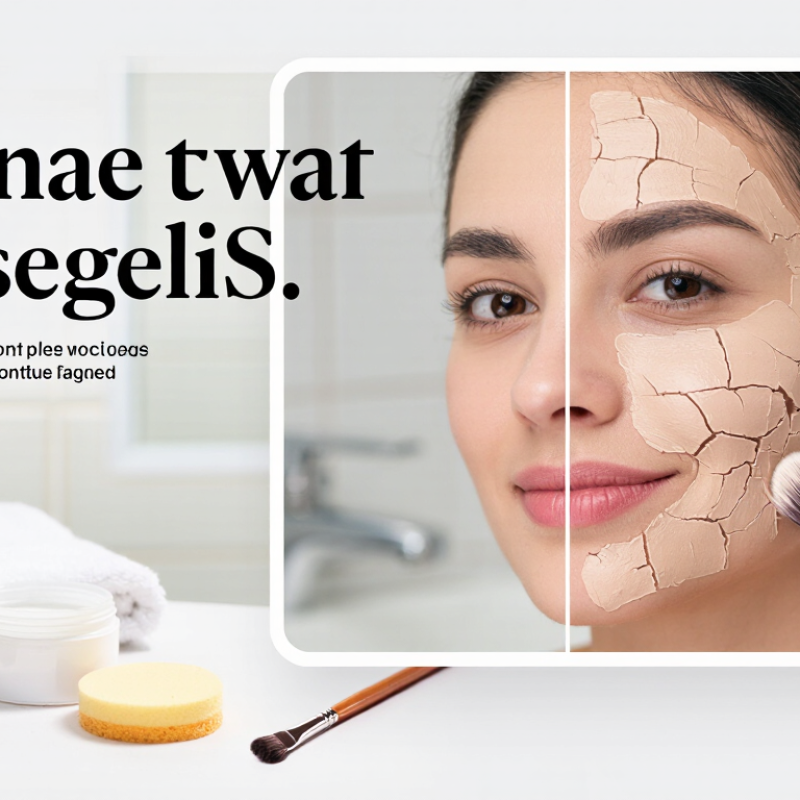
Foundation looks cakey when it sits on uneven texture instead of blending into the skin. Dry patches, peeling, and rough areas can make even a thin layer appear thick. Dehydrated skin may also absorb moisture from the base, leaving pigment behind in flaky spots. In my experience, this often happens around the nose, mouth, and between the eyebrows.
Too much foundation is another common cause. Several thin layers can still become heavy when each layer dries before the next one is blended. A rich moisturizer, facial oil, or sunscreen underneath may also cause slipping and patchiness. Skin oils, sweat, and humid weather can break down the formula unevenly. Powder applied over these areas may emphasize every crease. It looks worse under direct light.
Start with gently cleansed, moisturized skin, then allow skincare to settle for several minutes. Do not scrub active flakes aggressively. That can increase redness and texture. Use a small amount of foundation and press it into the skin with a damp sponge or clean fingertips. Build coverage only where needed. If creasing appears, remove excess product with a cotton swab before adding powder. A lightweight, compatible base usually behaves better, but compatibility can change with your skincare routine. I still misjudge the amount sometimes. Less usually looks more natural.
Why Does My Foundation Look Cakey How to Fix It?
Foundation often looks cakey because skin type and preparation change its texture. Dry skin can show flakes around the nose, mouth, and cheeks. Oily skin may break makeup apart across the forehead and chin. Dehydrated skin can look both shiny and rough, which makes product sit unevenly. I once blamed the foundation, but I had applied it over unabsorbed moisturizer.
Start with gentle cleansing, then apply a light moisturizer suited to your skin. Dry skin usually needs more hydration, while oily skin benefits from a thin, non-greasy layer. Give skincare several minutes to settle. Press away excess shine with tissue before applying makeup. Do not scrub flaky areas aggressively; that can increase irritation and texture.
Use less foundation than you think. Apply a thin layer from the center of the face outward, then add coverage only where needed. A damp sponge can soften heavy areas, while a clean brush may provide more controlled coverage. Powder only where necessary, especially around the nose and under the eyes. My first fix was not perfect: I added more powder and made the dryness worse. Testing preparation on one cheek can reveal whether the problem is your skincare, application method, or foundation formula.
Relative cakiness-risk scores based on common makeup-preparation factors. Higher scores indicate a greater likelihood of visible texture, patchiness, or product buildup.
How to reduce cakiness: Dry skin usually benefits from moisturizer and adequate setting time, while oily skin often needs lightweight hydration and targeted oil control. Applying too much foundation, layering over damp skincare, or skipping gentle exfoliation can increase visible texture across skin types.
When foundation looks cakey, the problem often begins before makeup touches the skin. In my experience, applying foundation over dry patches creates a rough, uneven surface. Flaky areas catch pigment and make the complexion look heavier than it is. Skipping moisturizer, or applying makeup before skincare settles, can create the same effect. Give each layer a few minutes to absorb.
Application mistakes matter just as much. Using too much foundation at once leaves visible buildup around the nose, mouth, and hairline. A dense, dry sponge can absorb moisture from the formula and drag it across the skin. Rubbing repeatedly also lifts the product instead of blending it. Press gently with a slightly damp tool, then add thin layers only where redness remains. Less product helps. A clean tool matters, too.
Powder can make the finish worse when it covers the entire face, especially over dry cheeks. Apply it selectively to areas that become shiny, such as the center of the forehead or sides of the nose. I used to keep blending when the texture looked uneven, but that usually made the patch thicker. Stopping, lightly misting the area, and pressing with a clean sponge worked better. Still, no technique fixes the wrong formula for your skin’s current condition. Skin changes with weather, sleep, and hydration, so the method may need adjusting.
A cakey finish usually comes from too much product, dry patches, or foundation settling into texture. I have fixed this backstage by correcting only the visible areas, not removing the entire face. Look closely near the nose, mouth, and under the eyes. These zones often reveal the problem first.
Press a clean, damp makeup sponge over thick areas to lift excess foundation. Do not rub, or you may create streaks. Add a tiny amount of moisturizer to a fingertip and tap it over flaky patches. Wait two minutes. Then press the area again with the sponge.
For separated foundation, use a small brush with leftover product from your hand. Apply it only where coverage disappeared.
Less is better.
If the finish still looks heavy, soften the surface with a lightly damp sponge rather than adding powder. Powder can make dry texture more obvious, especially around smile lines. I sometimes overcorrect and remove too much coverage, so I check the skin in natural daylight before continuing. That pause matters.
Skin preparation also deserves attention: cleanse gently, moisturize, and allow skincare to settle before applying makeup. If a product causes burning, swelling, or persistent redness, remove it and stop using it. Cakey makeup is often fixable, but irritated skin needs care, not more coverage.
Cakey foundation often begins before makeup touches your skin. Dehydrated areas can make liquid foundation cling to flakes and fine lines. Excess skincare, heavy coverage, or an incompatible sunscreen can also create uneven layers. I have found that rushing preparation causes the most noticeable problems. Give each product a moment to settle.
Cleanse gently, then apply a lightweight moisturizer to slightly damp skin. Focus on dry areas around the nose and mouth. Wait several minutes before using foundation.
Choose a formula that matches your skin’s current needs, not only your desired coverage. Apply a thin layer with a damp sponge or clean fingers. Build coverage slowly where redness remains. Thick layers usually emphasize texture.
Avoid applying powder everywhere. Press a small amount only onto areas that become shiny, such as the center of the forehead or sides of the nose. If the base already looks heavy, soften it with a lightly damp sponge instead of adding more product. I still sometimes use too much around blemishes, so checking in natural light helps.
Tips: Exfoliate gently and only when your skin tolerates it. Do not scrub flaky patches aggressively. Keep tools clean, because old residue can disturb fresh makeup. Test your full routine before an important event. Humidity, skin changes, and application pressure can affect the result, so adjust rather than forcing one method.
Dry patches and peeling create uneven surfaces. Foundation collects around the nose, mouth, and cheeks. Less usually helps.
Yes. Dehydrated skin may look shiny while absorbing moisture from foundation. Pigment then remains in flaky areas.
Cleanse gently and apply a light moisturizer. Let skincare settle for several minutes before makeup. Do not rush.
Avoid aggressive scrubbing. It can increase redness, irritation, and rough texture. Gentle preparation is safer.
Start with a small amount. Apply a thin layer from the center outward. Add coverage only where needed.
A damp sponge can press and soften excess product. Clean fingertips may also work for small areas.
Skin oil, sweat, and humid weather can break down makeup unevenly. This often appears on the forehead and chin.
Powder only where necessary, especially near the nose and under the eyes. Remove creases with a cotton swab first. Too much powder backfires.
Test the routine on one cheek first. Unabsorbed moisturizer or facial oil may cause slipping and patchiness.
Remove excess product instead of adding more. I once added powder over dryness and made the texture more obvious.
If you are wondering, “why does my foundation look cakey,” the problem may come from too much product, dry or oily skin, poor preparation, or applying layers before the previous one has settled. Foundation can emphasize flakes, collect in pores, and appear thick when the skin lacks moisture or when skincare and makeup products do not blend well together. Using the wrong formula for your skin type and applying makeup with too much pressure can also create an uneven, heavy finish.
To fix cakey foundation without starting over, gently press a damp sponge over the skin to lift excess product, then lightly smooth any visible patches with clean fingers or a small brush. A fine mist of setting spray can help the layers melt together. For future applications, cleanse and moisturize properly, allow skincare to absorb, use a small amount of foundation, and build coverage gradually. Choosing a texture that suits your skin and blending carefully around the nose, mouth, and hairline will help create a smoother, more natural finish.
