Eyeliner can look precise at the outer lash line, then collect in the inner corner minutes later. A watery eye, creamy formula, or tiny pool of skincare can turn a neat line into a gray smudge. If you have searched for how to stop eyeliner from running in the inner corner, the fix is usually less about adding more product and more about managing moisture and placement.
The supplied material includes no verified expert quotation or named specialist. To protect accuracy, I won’t invent a quote or attribute one to a professional. This guide will focus on practical steps: blot the inner corner gently, let eye cream settle, and apply a thin layer of liner rather than drawing heavily over the tear duct. A small detail matters: the inner corner is naturally damp, so even long-wear makeup may not stay put on the wet surface.
We’ll also look at pencil, gel, and liquid formulas, plus gentle ways to set nearby skin without packing powder into the eye. If your eyes water often, comfort comes first; persistent irritation deserves advice from an eye-care professional. The goal is not a perfectly rigid line. It is a cleaner finish that feels comfortable, suits your eye shape, and holds up through an ordinary day.
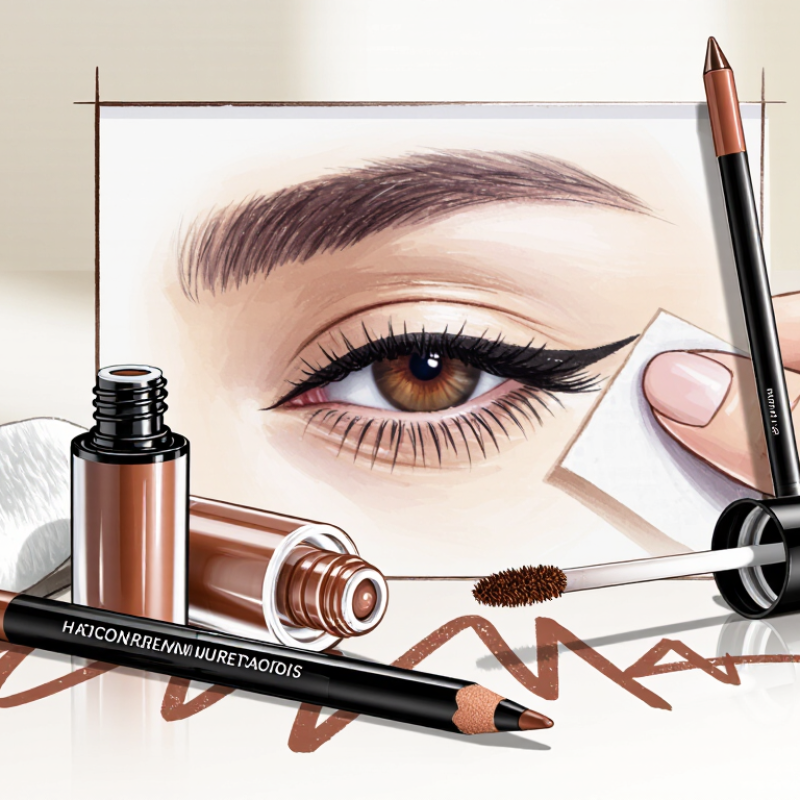
Eyeliner often runs in the inner corner because tears, oil, and blinking meet there. The tear duct continuously drains moisture across the inner eyelid, creating a wet track for pigment. The TFOS DEWS II clinical report explains that tear-film instability can trigger reflex tearing and irritation. The National Eye Institute estimates that 16.4 million U.S. adults have diagnosed dry-eye disease, which can cause both dryness and watering. Tears win.
A common mistake is blaming the eyeliner alone. Even a long-wear formula may slide when eye cream, sunscreen, or foundation gathers beside the nose. A precise check helps: wait until skincare feels dry, then gently blot the inner corner with a clean tissue. Apply less product there, keeping the line slightly away from the tear duct. A small angled brush usually gives better control than a thick pencil. Set only the outer portion with a minimal amount of translucent powder, avoiding direct contact with the eye surface. Do not layer powder over visible moisture; it can become pasty and increase rubbing. If the corner stings, turns red, or waters repeatedly, remove the makeup and seek professional eye-care advice. I used to treat smudging as a formula problem, but that explanation was incomplete. Sometimes the real issue is irritation, not wear time.
A clean, dry eye area gives eyeliner a better chance of staying put. Wash your hands, then gently remove leftover makeup and skincare with a mild cleanser suitable for the eye area. Rinse away residue and pat the skin dry with a clean towel. Don’t rub; the inner corner can become irritated quickly. Let it settle.
If you use eye cream, apply a small amount well before makeup and keep it away from the lash line. Give it time to absorb. Just before eyeliner, press a clean tissue lightly against the inner corner to lift excess moisture or oil. Avoid applying powder close to the eye if it tends to make your eyes water. Less is safer.
A thin layer of eye-safe primer on the lid may help, but it is not essential, and formulas can feel different on sensitive skin. Follow the product directions and stop if you notice stinging, redness, or watering. Check that your eyeliner and tools are clean, too. Even careful preparation cannot prevent every smudge: watery eyes, facial anatomy, and humid weather can all play a part. If your inner corner is already irritated, skip eyeliner there that day.
How to Stop Eyeliner from Running in the Inner Corner?
The inner corner is difficult because tears, oil, and blinking create constant movement. Choose a waterproof or water-resistant eyeliner labelled ophthalmologist-tested. These terms are not identical: waterproof formulas usually tolerate more moisture, while water-resistant formulas may wear away sooner. The U.S. Food and Drug Administration advises using eye cosmetics only as directed and replacing them when their recommended shelf life ends. That matters near the tear duct, where irritation can cause extra watering.
Look for a quick-setting gel, liquid, or pencil formula with strong film-forming ingredients. Avoid very creamy pencils if your inner corners become oily; they can soften within minutes. A 2024 Grand View Research report estimated the global eye makeup market at more than 17 billion U.S. dollars in 2023, showing how widely performance claims are used. Still, market growth does not prove every “smudge-proof” claim works for every eye shape.
Test the eyeliner on your hand, then wear it for several hours before trusting it. Blink, tear, and check the inner corner under natural light. I prefer applying a thin line slightly beside the tear duct, rather than forcing pigment into the wet rim. Less product usually moves less. Set the outer edge with a matching powder, but keep powder away from the waterline. Patch testing can help, although it cannot predict every eye reaction. If burning, swelling, or persistent redness appears, remove the product and seek professional medical advice.
Compare common eyeliner formats by practical resistance to moisture, oil, and transfer. Higher scores indicate better suitability for the inner corner, where tears and natural skin oils can cause smudging.
Waterproof liquid and gel formulas generally perform best when the inner corner is prone to watering. Apply a thin layer, allow it to set fully, and avoid heavy creamy or high-oil formulas when long wear is the priority.
Start with a clean, dry inner corner. If your eyes water easily, blot the skin gently with a clean tissue, then wait until it feels dry. Apply a thin layer of eye-safe concealer or primer and let it set. Use a sharpened pencil or small angled brush to draw short strokes along the lash line, just outside the waterline. Stop before the tear duct; lining directly over it can encourage smudging and may irritate the eye. Small strokes work better than one heavy line.
Give the liner about 30 seconds to set. Then press a tiny amount of translucent powder or matching eyeshadow over its edge with a clean, narrow brush. Keep powder out of the eye itself. A 2017 TFOS DEWS II epidemiology report found dry-eye prevalence estimates ranging from 5% to 50%, depending on the population and diagnostic method. Watery eyes can have several causes, so persistent irritation deserves attention rather than another layer of makeup. This step is easy to rush. Use less product near the tear duct, and remove it gently at the end of the day. If the corner still runs, leave that area bare; a perfect line is not worth discomfort.
Touching up eyeliner near the inner corner requires a lighter hand than the original application. I wash my hands, remove contact lenses, and sit near a bright window. A clean, pointed cotton swab lifts the wet tear streak without dragging pigment across the eye. I wait until the corner feels dry. Rushing usually makes the line wider.
Instead of adding color directly to the moist corner, I place a tiny amount on the back of my hand. A fine, clean brush picks up less product than the applicator. I tap the brush along the outer edge of the lash line, keeping the tear duct clear. Keep the eye relaxed. Blink slowly. If the pencil becomes hard, crumbly, or smells different, I replace it. Older makeup can carry bacteria and increase irritation. This small detail matters.
For a running line, I blot first, then correct only the broken section. Rubbing can create friction, redness, and more watering. If the eye stings, swells, becomes very red, or develops discharge, I stop and rinse with clean, lukewarm water. Persistent symptoms need advice from an eye-care professional. I sometimes overcorrect one corner. Less product usually works better, though I still forget this occasionally.
| Situation | What to Do | Why It Helps | Eye-Safe Tip |
|---|---|---|---|
| Before applying eyeliner | Gently blot excess moisture and let skincare or eye cream settle. Keep the inner corner free of heavy, oily product. | Moisture and oil can make eyeliner more likely to migrate or fade. | Do not rub the eye or apply makeup to irritated skin. |
| Applying liner near the inner corner | Use a small amount and keep the line on the skin just outside the tear duct. Avoid drawing into the tear duct or waterline. | A thinner line leaves less product close to tears and natural eye moisture. | Use a clean applicator and avoid touching the eye itself. |
| Liner tends to smudge during the day | Choose an eyeliner labeled water-resistant or long-wearing, and allow it to dry before blinking repeatedly or applying other products nearby. | These formulas are designed to better resist moisture and transfer, though wear varies by person. | Stop using a product if it causes stinging, redness, or itching. |
| Small smudge appears | With clean hands, gently press a clean tissue or cotton swab to the skin beside the smudge, then lift it away. Do not wipe across the eye. | Blotting lifts excess moisture or pigment with less friction than rubbing. | Keep tissues and swabs outside the eye; never insert them into the tear duct. |
| Touching up after blotting | Wait until the area is dry, then use a clean, fine applicator to add a thin layer only where the line has faded. | Applying a small amount to dry skin can reduce product buildup and repeat smudging. | Do not share eye makeup or use an applicator that has touched a contaminated surface. |
| Eye feels irritated or watery | Stop applying makeup, remove it gently with a product intended for the eye area, and avoid rubbing. | Irritation and watering can worsen smudging and may signal that the eye needs a break. | Seek medical advice for persistent pain, swelling, discharge, vision changes, or ongoing redness. |
| End of the day | Remove eyeliner before bed using a gentle eye-makeup remover and a fresh, soft pad; rinse if the remover’s directions recommend it. | Thorough, gentle removal helps prevent leftover makeup from irritating the eye area. | Follow product directions and avoid scrubbing the eyelids or lashes. |
General makeup guidance only. If eye irritation persists or vision is affected, discontinue eye makeup and consult a qualified healthcare professional.
Tears, skin oils, and blinking create a damp track that can move pigment. Eye irritation or dry-eye symptoms may also cause watering.
Start with clean, dry skin. Gently blot it with a clean tissue, then wait until it feels dry.
Keep the line just outside the waterline and stop before the tear duct. Short strokes help you control the edge.
Let the liner set for about 30 seconds. Press a tiny amount of powder or matching eyeshadow over the outer edge, keeping it out of the eye.
Lift the tear streak with a clean, pointed cotton swab. Wait for the skin to dry, then correct only the broken section.
No. Blot first and keep the tear duct clear. Adding color to visible moisture can cause more smudging.
Stop if the corner stings, swells, turns very red, or develops discharge. Rinse gently with clean, lukewarm water and seek professional eye-care advice if symptoms persist.
Replace it if it becomes hard, crumbly, or smells different. I sometimes forget this detail, but old makeup may increase irritation.
Usually not. Less product near the tear duct often works better, even if the line looks slightly unfinished.
Eyeliner often runs in the inner corner because of natural tears, excess oil, blinking, eye shape, or insufficient drying time. To learn how to stop eyeliner from running in the inner corner, begin with a clean, dry eye area. Gently remove oil and moisture, then use a small amount of lightweight eye primer or setting powder to create a smoother, less slippery base.
Choose a waterproof or long-wearing eyeliner with a quick-drying formula, and apply it in a thin, controlled line rather than layering heavily. Keep the product slightly away from the tear duct if your eyes water easily, and allow it to set before blinking frequently. A small amount of matching eyeshadow or translucent setting powder can help lock the line in place. For touch-ups, use a clean cotton swab to remove only the smudged area, let the skin dry, and carefully redraw the line. Avoid rubbing or repeatedly applying product, as this may irritate the sensitive inner eye area.
