Top 10 Answers What Is the Shelf Life of Opened Makeup Products?

Time:2026-10-05 Author:Sienna
0%

What is the shelf life of opened makeup products? The honest answer depends on the formula, packaging, storage, and daily handling. A cream foundation touched with unwashed fingers faces more contamination risk than a pump-sealed product. Mascara deserves special caution because the wand repeatedly enters a moist tube near the eyes.

The U.S. Food and Drug Administration’s cosmetics guidance does not set one universal expiration date for every product. However, FDA safety materials warn that cosmetics can become contaminated with bacteria or fungi during use. FDA adverse-event reporting data also shows why changes in smell, texture, color, or performance should not be ignored. The European Commission’s cosmetic-labeling framework uses a period-after-opening symbol, such as “12M,” to indicate recommended use after opening. These are useful signals, not magical deadlines.

Dermatologist Dr. Zoe Diana Draelos has explained, “The shelf life of a cosmetic depends on the type of product, how it is used, and how it is stored.” That principle anchors this guide. A cool drawer, clean hands, and a tightly closed lid can slow deterioration. A hot bathroom shelf cannot.

Still, even experts must accept some uncertainty. Brands rarely publish complete stability data for every opened container in every home. That gap matters. This guide’s top 10 answers will examine practical timelines, warning signs, eye-product risks, preservative limits, and storage habits. Expect useful ranges, not false precision. When a product smells sour, separates unexpectedly, or causes stinging, replacement is the safer choice. Trust your senses. Be cautious.
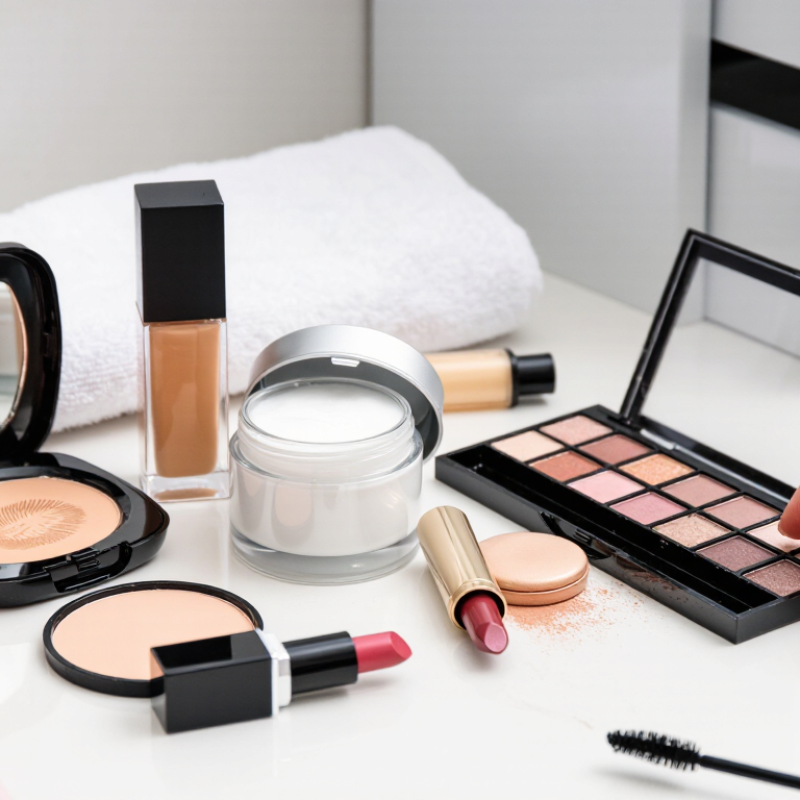
Top 10 Answers What Is the Shelf Life of Opened Makeup Products?

Understanding What Shelf Life Means for Opened Makeup

Top 10 Answers: What Is the Shelf Life of Opened Makeup Products?

Understanding What Shelf Life Means for Opened Makeup

Shelf life describes how long makeup remains safe and performs properly after opening. It is not simply the printed manufacturing date. In the European Union, products lasting more than 30 months unopened usually display an open-jar symbol, such as 6M or 12M, under Regulation (EC) No 1223/2009. The number indicates months after opening. The U.S. Food and Drug Administration also explains that cosmetic products generally do not require expiration dates. Storage and handling strongly affect their condition.

In daily use, foundation may change smell or separate when its preservative system weakens. Powder products often last longer, but damp brushes can introduce bacteria. Mascara deserves more caution. Its warm, wet tube and repeated wand contact create a practical risk, even when the product looks normal. Keep makeup tightly closed and away from bathroom steam, direct sunlight, and dirty applicators. A pump container usually receives less air and contact than an open jar.

I once trusted appearance too much. That was careless. A product can seem fine and still deserve disposal. Check texture, odor, color, and application before each use. The FDA advises extra care with eye cosmetics because contamination may cause irritation or infection. Professional guidance often treats opened eye makeup as short-lived, while the exact period depends on formulation and use. The packaging symbol is helpful, but it is not a guarantee. Your routine matters too.

How Long Different Makeup Products Typically Remain Usable

Opened makeup products do not last forever, even when they look clean. Their usable life depends on texture, packaging, storage, and contact with skin.

Mascara and liquid eyeliner usually remain usable for about three months.

Liquid foundation, concealer, and cream blush often last six to twelve months after opening.

Lip gloss commonly lasts six to twelve months, while lipstick may remain suitable for twelve to eighteen months.

Powder blush, bronzer, and eyeshadow can often last eighteen to twenty-four months. Eyeliner pencils may last up to two years when sharpened regularly. Setting spray usually stays usable for twelve to eighteen months.

These periods are practical estimates, not guarantees. Heat, humidity, dirty brushes, and repeated finger contact can shorten them.

Discard makeup sooner if it develops a sour smell, separates badly, changes color, or feels unusually dry. I have found that texture changes are sometimes easier to notice than printed dates.

Tips:

Store products away from sunlight and bathroom steam. Keep lids tightly closed after each use. Wash brushes weekly, especially when using cream formulas. Never add water or saliva to dried makeup. Mark the opening date on the package. If an eye product causes stinging or redness, stop using it immediately, even when its estimated shelf life has not ended.

Recognizing Signs That Opened Makeup Has Expired

Opened makeup can expire quietly, even when it looks acceptable. Check the small open-jar symbol for its recommended use period. That guide matters more than the purchase date. Mascara often needs replacement after about three months because repeated wand contact introduces moisture and microbes. Liquid foundation, concealer, and cream products commonly last six to twelve months, depending on storage and handling. These are general ranges, not guarantees.

Watch for a sour, waxy, or chemical smell. Noticeable changes in color, separation, hardening, or a grainy texture also suggest deterioration. Powder products deserve attention too. A shiny, crusty film can form when facial oils transfer onto the surface. The product may then apply unevenly. Trust your senses. I once kept a favorite cream blush past its recommended period because it still looked normal. It later felt unusually sticky, and I should have discarded it sooner.

Redness, itching, burning, swelling, or unusual dryness after application signals a problem. Remove the product gently and stop using it. Do not test it repeatedly on your skin. Store makeup tightly closed, away from heat, sunlight, humidity, and bathroom steam. Clean brushes regularly, and avoid adding water or other liquids to dried formulas. Shared products can spread contamination faster. If the label is missing and you cannot remember when the item was opened, treating it as expired is the more reliable choice. Even careful judgment can be imperfect.

Factors That Shorten the Life of Opened Cosmetics

Opened makeup does not age on a fixed schedule. Its usable life begins when air, fingers, and tools reach the formula. The small open-jar symbol offers guidance, but it is not a guarantee. Liquid foundation and mascara usually change sooner than pressed powders. Watch the product, not only the calendar. Heat accelerates damage. A sour smell, separated liquid, grainy texture, or sudden color change deserves attention. When in doubt, discard it.

A compact left in a hot car can soften, separate, or encourage microbial growth. Bathroom steam also adds moisture, especially around cream blush and eyeshadow. Storage matters greatly. Keep products closed, dry, and away from direct sunlight. Dirty brushes and damp sponges transfer oil, sweat, and bacteria into jars and pans. Clean tools regularly, and never add water to revive a dried formula. It may look usable, but its composition has changed.

Frequent sharing shortens cosmetic life because each application adds contamination. Pump containers often limit contact, while open pots require stricter habits. Keep caps tightly closed and avoid repeated contact between applicators and skin. A practical inspection helps: note the opening date, smell the product, and check its texture on clean skin. Yet this check is imperfect; harmful microbes may leave no visible clue. Follow the product’s official guidance, and replace eye products more cautiously after illness or irritation.

Top 10 Answers: What Is the Shelf Life of Opened Makeup Products?

Typical opened-product lifespans are estimates based on common cosmetic safety guidance and may vary by formula, packaging, storage, and the period-after-opening symbol. Discard makeup sooner if its smell, color, texture, or performance changes.

Factors that shorten the life of opened cosmetics: heat, humidity, direct sunlight, repeated exposure to air, touching products with unclean hands, sharing makeup, and using contaminated applicators.

Safe Storage and Disposal Practices for Old Makeup

Opened makeup does not stay safe forever. Air, fingers, moisture, and bathroom heat introduce microbes and weaken formulas. Creams and liquid products often deserve closer attention than powders. Check the open-jar period on the packaging, then note the date you started using each item. Mascara and liquid eye products usually need early replacement, especially after changes in smell, texture, or performance. Do not “rescue” old makeup with water or household products. That shortcut can spread contamination.

Tips: Store products in a cool, dry drawer away from direct sunlight and shower steam. Close every lid firmly after use. Wash your hands before touching makeup pots, and clean reusable tools regularly. Avoid sharing eye or lip products. Keep applicators off countertops. A small label with the opening date helps, although I sometimes forget it. If the date is missing, treat uncertainty as a safety warning, not an invitation to guess.

When makeup looks separated, develops an odd odor, or causes stinging, stop using it. Place liquid or cream makeup in a sealed household-waste bag, unless local guidance says otherwise. Empty containers may need rinsing before recycling, but rules vary by material and region. Do not pour large amounts into sinks, toilets, or outdoor drains. Remove batteries from electronic applicators when possible, and follow local collection instructions. When in doubt, choose the safer disposal route. Your skin is not a testing surface.

FAQS

What does the shelf life of opened makeup mean?

It describes how long makeup may remain safe and perform properly after opening. The open-jar symbol shows a period, such as 6M or 12M. It is a guide, not a guarantee.

How long does opened mascara usually last?

Mascara commonly remains usable for about three months. Its warm, damp tube receives repeated wand contact. Replace it sooner if the smell or texture changes. Be cautious.

How long can liquid foundation, concealer, and cream blush last?

These products often last six to twelve months after opening. Heat, humidity, and finger contact can shorten that period. Discard them if they separate badly, smell sour, or feel unusually sticky.

Do powder products last longer than liquid products?

Powder blush, bronzer, and eyeshadow often last eighteen to twenty-four months. Damp brushes can still transfer bacteria onto the surface. A shiny, crusty film may show oil buildup. Clean brushes weekly.

What signs show that opened makeup should be discarded?

Watch for sour, waxy, or chemical smells. Color changes, separation, hardening, and grainy texture also matter. A product may look normal and still be unsuitable. My judgment has been imperfect before.

How should opened makeup be stored?

Keep containers tightly closed after every use. Store them away from sunlight, bathroom steam, heat, and humidity. Pump containers usually receive less air and contact than open jars. Small details matter.

What should I do if eye makeup causes irritation?

Stop using it immediately if you notice stinging, redness, itching, swelling, or burning. Remove the product gently, and do not test it repeatedly. Eye products deserve extra caution because contamination may cause irritation or infection. Do not ignore symptoms.

Can I add water or saliva to dried makeup?

No. Adding liquids can increase contamination and change the formula. Replace the product instead, especially when it touches the eyes. Short answer: discard it. That is safer.

Conclusion

Understanding what is the shelf life of opened makeup products helps you use cosmetics safely and avoid unnecessary waste. Once opened, makeup gradually changes because of air, moisture, skin contact, and bacteria. Cream and liquid products usually have a shorter usable life than powders, while mascara, liquid eyeliner, foundation, concealer, lipstick, and blush each require different levels of attention. The recommended period is only a general guide, so the product’s texture, smell, color, and performance should also be considered.

Opened makeup may be expired if it develops an unusual odor, separates, dries out, changes color, becomes difficult to apply, or causes discomfort. Heat, sunlight, humidity, dirty brushes, and sharing products can shorten its life. Store cosmetics in a cool, dry place, close containers tightly, and clean applicators regularly. When makeup is clearly old or altered, stop using it and dispose of it responsibly according to local waste guidance. Keeping track of opening dates can make product safety easier to manage.

Sienna

Sienna

Sienna is a skilled marketing professional with a deep expertise in our company’s core products and services. With a passion for innovation and detail, she plays a pivotal role in crafting insightful blog posts that not only highlight the unique features of our offerings but also provide valuable......