The quest for a flawless makeup application often leads to a common concern: why is my primer peeling under my foundation? This issue, while seemingly minor, can greatly affect the overall appearance of makeup. According to a survey by the American Academy of Dermatology, nearly 67% of individuals experience makeup application problems linked to skin preparation.
Skin texture, product compatibility, and application techniques play significant roles in achieving a smooth foundation layer. Reports indicate that improper primer choices or application methods can lead to peeling, leading many to question their routine. Some products do not bond effectively, creating a barrier that looks unsightly once foundation is applied.
Identifying the root causes behind primer peeling requires a blend of science and artistry. Each person's skin is unique, necessitating a tailored approach. Solutions may vary from selecting the right products to refining application techniques. Reflection on past experiences can aid in recognizing patterns that lead to peeling. Embracing imperfection in this process allows for growth and improved outcomes in makeup application.
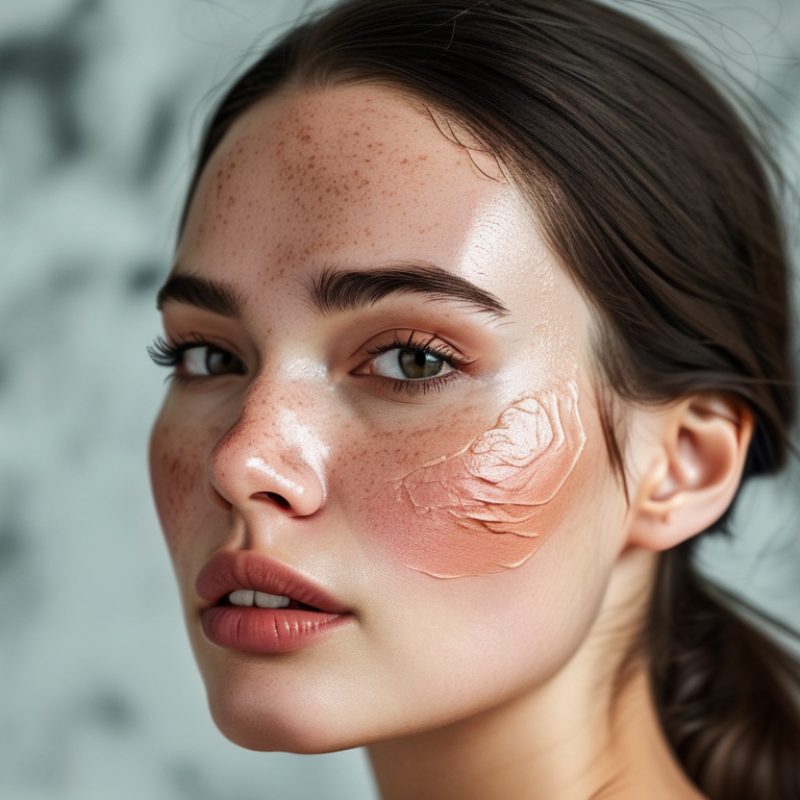
Common Causes of Primer Peeling Under Foundation
Primer peeling under foundation can be a frustrating issue for many makeup enthusiasts. Understanding the common causes can help in preventing this problem. One primary cause is improper skin preparation. If your skin is oily or not well-exfoliated, the primer may fail to adhere. Always cleanse and hydrate your skin adequately before applying primer.
Another significant factor is the type of primer used. Some primers are designed for specific skin types. Using a product not suited for your skin can lead to peeling. For instance, silicone-based primers may not work well on oily skin.
Temperature and humidity also play a role. High heat can cause the makeup to destabilize. This may result in the primer separating from the skin.
Incorrect application techniques might also contribute to this issue. Applying too much product can lead to a cakey finish, which is prone to peeling. Remember, less is often more when it comes to makeup. It is essential to find the right balance for a smooth finish. Adjusting your routine may lead to better results, minimizing the risk of peeling throughout the day.
Understanding Different Types of Primers and Their Compatibility
When choosing a primer, compatibility with your foundation is crucial. Different primers serve distinct purposes. Silicone-based primers create a smooth surface but may not bond well with certain foundations, leading to peeling. Water-based primers, on the other hand, hydrate the skin but can interact poorly with oil-based foundations.
It's important to consider your skin type too. Oily skin may benefit from mattifying primers, while dry skin might require hydrating ones. However, using the wrong combination can cause issues. For example, a matte primer on dry skin may exaggerate flakiness. Observing how your makeup wears throughout the day can provide insights into what's working for you.
Test different combinations to find what suits your needs best. Be mindful of the application technique as well. Over-applying primer can create excess layers, which may contribute to peeling. Remember that experimenting is key. Finding the right balance takes patience and practice. Keep a log of what products you’ve used to track successes and failures. This approach can lead you towards achieving a flawless makeup look.
Primer Peeling Under Foundation: Causes and Solutions
Steps to Properly Apply Primer for Long-lasting Results
Applying primer correctly is essential for a flawless makeup look. Start with a clean, moisturized face. Uneven skin or excess oil can lead to peeling. Use a gentle exfoliator to prepare your skin. This helps smooth out rough patches. Remember, a good moisturizer can enhance the primer's effectiveness.
Apply a small amount of primer to your fingertips. Dot it on your forehead, cheeks, and chin. Blend it outwards gently. Avoid applying too much product; excess can lead to flaking. Wait a minute to let the primer settle before applying foundation. Pay attention to how it feels; if it feels tacky, it's ready for the next step.
Consider the formula of your primer. Different skin types need different products. A hydrating primer suits dry skin, while a mattifying one works well for oily skin. If your primer routinely peels, reflect on your application method and the environment. Humidity and temperature can impact how products wear. Practicing these steps will help improve your makeup routine.
Why is My Primer Peeling Under My Foundation Solutions?
| Issue |
Description |
Solution |
| Excess Oil |
Natural oils from skin can break down primer. |
Use oil-free primer or mattifying products. |
| Moisture |
High humidity can affect primer adhesion. |
Apply in a controlled environment; use setting spray. |
| Improper Application |
Not letting the primer dry completely. |
Wait for primer to dry fully before applying foundation. |
| Old or Expired Product |
Expired products may not perform well. |
Check expiration dates and replace old primers. |
| Skin Care Products |
Certain lotions can interfere with primer. |
Use compatible skin care products. |
Tips for Choosing the Right Foundation to Avoid Peeling
Choosing the right foundation is key to avoiding peeling situations with your primer. A good foundation should complement your primer’s texture. Look for products labeled as hydrating if your skin tends to be dry. These formulas help to lock in moisture, creating a smoother base. If you're prone to oily skin, lightweight, matte foundations are often more effective. They prevent excess shine and maintain a matte finish, reducing the likelihood of peeling.
Application techniques matter, too. Use clean tools to apply foundation evenly. A damp sponge or brush can help in blending the product seamlessly with the primer. Don't apply too much pressure; it may disturb the primer underneath, leading to peeling. Pay attention to the layering. A thin layer is often more effective than a thick one. Build coverage gradually for a natural finish.
Consider your environment as well. Humidity and temperature can impact how your foundation reacts with your primer. In hot conditions, opt for products designed to resist melting. If you notice peeling, reflect on your skin's needs. Maybe your primer or foundation needs a change. Experiment with different combinations to discover what works best for your unique skin type.
How to Fix Peeling Primer: Quick Solutions and Preventive Measures
Peeling primer can be frustrating, especially when it undermines the smooth finish of your foundation. One common cause is applying too thick a layer of primer. To combat this, use a thin and even application. Ensure the primer has enough time to dry completely before layering on foundation. This patience can often make a significant difference.
Humidity and temperature play crucial roles in a successful makeup application. High humidity can make the primer too wet. In such cases, using a mattifying formula may help absorb excess moisture. Dry skin can also lead to peeling. Always hydrate and exfoliate your skin to create a smooth base. Consider using a hydrating serum for added moisture.
Sometimes the primer itself may not be compatible with your skin type. Test products on a small area before applying them to your entire face. Adjusting your skincare routine can also be beneficial. Opt for lightweight products that absorb quickly. Monitoring how your skin reacts can provide valuable insights. Change your approach based on what you observe.
FAQS
: Start with a clean, moisturized face. Exfoliate gently to smooth rough patches.
Apply a small amount to your fingertips. Dot it on key areas like forehead and cheeks.
Let the primer settle for about a minute. If it feels tacky, it's ready for foundation.
Use thin, even layers of primer. Ensure it dries completely before applying foundation.
A hydrating primer is good for dry skin. For oily skin, use a mattifying formula.
Humidity and temperature can change product performance. Adjust your products based on conditions.
Use clean tools and apply lightly. A damp sponge can help blend without disturbing the primer.
Reflect on the products used. Maybe one needs to change for better compatibility.
Pay attention to how your skin feels after applying products. Adjust your routine as needed.
Yes, experimenting helps find what works best for your skin type. Just be cautious with combinations.
Conclusion
If you've ever wondered, "why is my primer peeling under my foundation," you're not alone. This common issue can stem from various factors, including the type of primer used, skin type, and application techniques. Understanding the compatibility of different primers with foundations is crucial, as some formulations simply don't work well together. Additionally, improper application methods can lead to a flaky finish, diminishing the overall look of your makeup.
To achieve long-lasting results, it's essential to apply primer correctly and choose a foundation that complements your skin type. If you encounter peeling primer, there are quick solutions and preventive measures you can take to remedy the situation. By following these guidelines, you can enhance your makeup application and enjoy a smooth, flawless finish without the frustration of peeling primer.
