Lip Gloss vs Lip Oil 5 Key Differences You Should Know?
When exploring lip cosmetics, many consumers ask, "what is the difference between lip gloss and lip oil?" Both products enhance the lips but serve distinct purposes. According to a recent report by Grand View Research, the global lip care market is expected to reach $11.8 billion by 2025, reflecting the increasing demand for versatile lip products.
Lip gloss typically offers high shine and a thicker texture. It often comes in vibrant colors and can provide a dramatic look. Conversely, lip oil is lighter, often translucent, and designed to hydrate while giving a subtle shine. The unique formulations in each product cater to different user preferences. Some users may find lip gloss sticky or heavy, while lip oil may lack the long-lasting color they desire.
Understanding these differences can guide consumers in selecting the right product for their needs. It’s essential to consider how each product fits into your beauty routine. Awareness of these variations can enhance user satisfaction and may lead to beneficial choices in personal care. The growing interest in natural ingredients also impacts how these products are formulated.
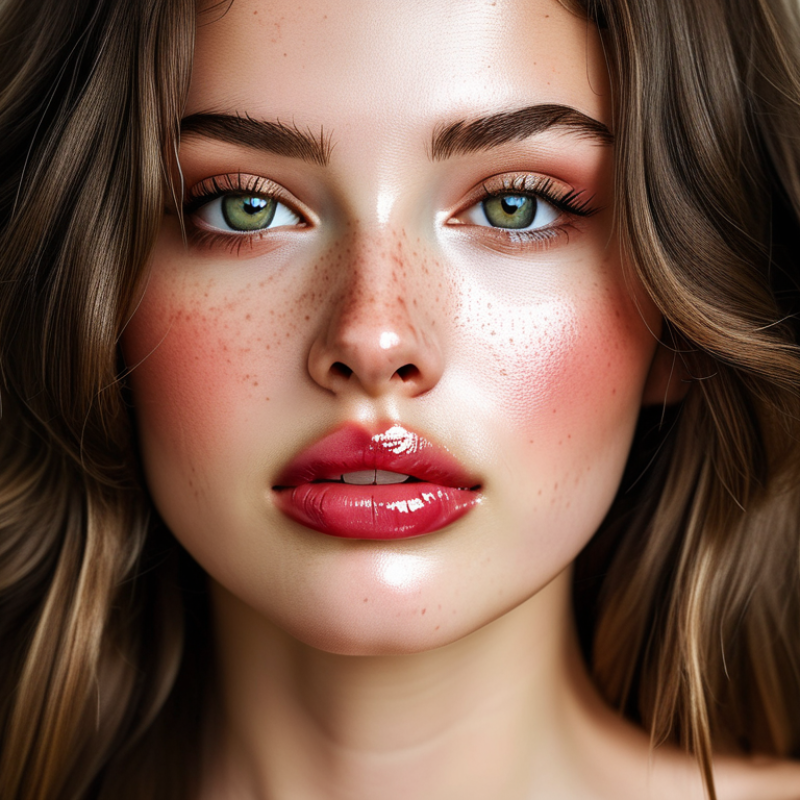
Differences in Ingredients Used in Lip Gloss and Lip Oil
When comparing lip gloss and lip oil, the differences in ingredients stand out. Lip gloss typically contains waxes and oils, providing a thick, shiny layer on the lips. Commonly used ingredients include synthetic colorants and film-forming agents. These components create that glossy finish but can sometimes feel sticky, depending on the formulation. According to a report by the Personal Care Products Council, around 62% of lip gloss users report a preference for shine over moisture.
On the other hand, lip oil has a more fluid texture and is often formulated with nourishing oils like jojoba and almond. These oils penetrate the skin, offering hydration rather than just surface shine. Studies indicate that 73% of consumers choose lip oil for its moisturizing benefits. This appeals to those seeking a healthier choice; however, the lighter texture may not provide the immediate visual impact some users desire.
The choice between gloss and oil often falls to personal preference. While gloss delivers intense color and shine, lip oils are favored for their comfort and hydrating properties. The ongoing evolution in formulations challenges brands to balance aesthetics with skin benefits. Choosing the right product requires an understanding of your own needs, and both options have unique pros and cons. It's essential to reflect on what your lips actually need before making a decision.
Lip Gloss vs Lip Oil: 5 Key Differences You Should Know
| Criteria | Lip Gloss | Lip Oil |
|---|---|---|
| Texture | Thicker, more viscous | Lightweight, smooth |
| Moisturizing Properties | Provides shine, limited hydration | Deeply moisturizing, often with vitamins |
| Finish | Glossy, shiny | Satin or natural finish |
| Color Payoff | Good color saturation | Usually sheer or light tint |
| Primary Ingredients | Waxes, oils, colorants | Natural oils, botanical extracts |
FAQS
: Lip gloss usually has waxes and oils, while lip oil features nourishing oils like jojoba and almond.
Lip gloss has a thicker, shinier texture. Lip oil is lighter and more fluid, focusing on hydration.
Many users enjoy the intense shine and color of lip gloss. However, it can feel sticky sometimes.
Lip oil penetrates the skin for hydration, making it a favorable option for those seeking healthy lips.
Lip gloss usually lasts a few hours, but may require reapplication due to fading shine.
Yes, many users find lip oil has longer staying power as it absorbs and hydrates lips continuously.
Start in the center and blend outward. This creates a fuller look and prevents unevenness.
Apply a few drops directly to the lips. It layers well and can add shine over lipstick.
Yes, some users find the sticky texture of gloss uncomfortable, especially during longer wear.
Experiment with amounts and methods. Reflect on your approach and adjust for your perfect look.
Conclusion
When considering "what is the difference between lip gloss and lip oil," it is essential to examine several key factors, such as the ingredients, texture, moisturizing properties, longevity, and application techniques. Lip gloss typically contains a blend of oils, waxes, and colorants, giving it a thicker texture and a shiny finish, while lip oil is formulated with nourishing oils that provide a lightweight feel and added hydration.
In terms of moisturizing capabilities, lip oil often excels due to its emphasis on hydrating ingredients, whereas lip gloss may provide temporary shine without significant moisture benefits. When it comes to wear time, lip gloss usually lasts longer on the lips but can feel sticky, while lip oil offers a more comfortable experience but may require more frequent reapplication. Understanding these differences can help individuals choose the lip product that best meets their needs and preferences.
