When starting your journey into the world of makeup, learning how to blend eyeshadow for beginners is crucial. Makeup artist Lisa Eldridge, known for her expertise, once said, "The right blending technique makes all the difference." This insight highlights the importance of mastering blending for a polished look.
Blending eyeshadow can seem challenging. Many beginners face difficulties achieving a seamless transition. It often requires practice and patience. The key is to use the right tools and techniques. Begin with a good brush. A fluffy blending brush can make a huge difference. Applying colors lightly and gradually is also important.
Don't be afraid to experiment with different colors and styles. Making mistakes is part of the learning process. Sometimes, what seems like a failure can lead to a unique look. Reflecting on these moments can help improve your skills. Embrace the journey. With time and practice, you will master how to blend eyeshadow for beginners.
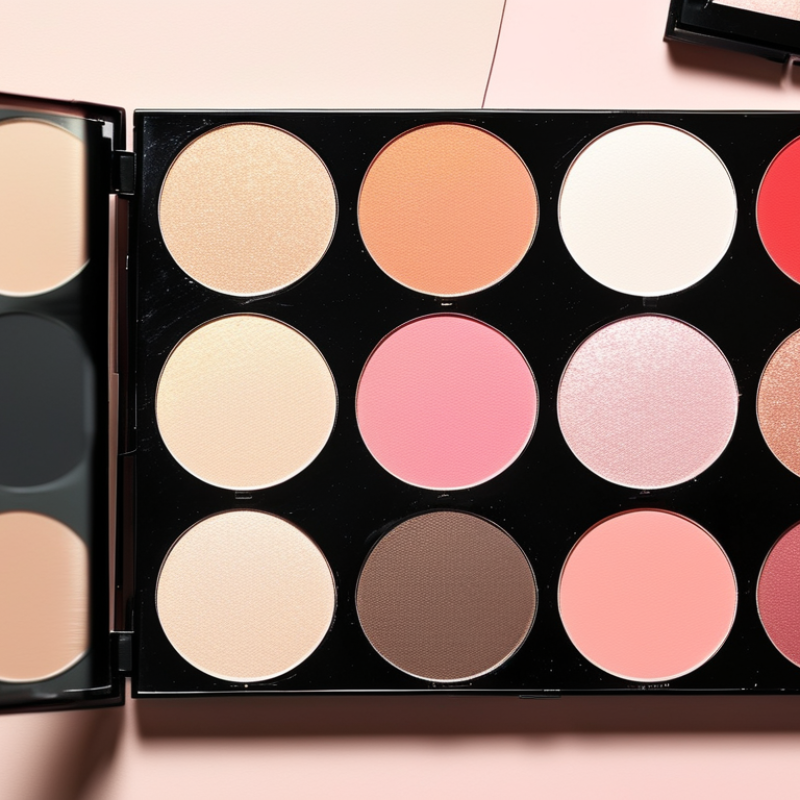
Eyeshadow is more than just a colorful powder. Understanding its types is essential for any beginner. There are three main categories: matte, shimmer, and metallic. Matte eyeshadow offers a flat finish, making it great for subtle looks. Shimmer adds a hint of sparkle, perfect for enhancing your eyelids. Metallic shadows bring a bold shine that can elevate any makeup look.
Choosing the right type depends on the occasion. For daily wear, matte shades are more suitable. For nights out, shimmer and metallic options can add drama. Don’t forget about color selection. Neutrals are versatile, while brighter shades can express creativity. Experimenting is key, but it’s okay to make mistakes. Learning what works for your eyes takes time and practice.
Start with small amounts of product. Too much can lead to a messy application. Blend well, but don’t rush. If the shadow gets patchy, reapply and blend again. Reflect on what techniques resonate with you. Focusing on the basics will build your confidence. Each application is an opportunity to learn and grow.
When it comes to blending eyeshadow effectively, the right tools make all the difference. A good blending brush is essential. Look for one that is soft yet firm. A brush with natural bristles can provide better control and blending capabilities. A recent survey from the Beauty Industry Association indicates that 73% of makeup artists prefer natural bristle brushes for their superior blending ability.
In addition to brushes, beauty sponges are a game-changer. They can help achieve a seamless finish. Yet, some beginners may find using them a challenge. It takes practice to understand how to use a sponge efficiently. Many users report that their sponges absorb too much product, resulting in wastage.
Moreover, using a flat brush for applying eyeshadow is crucial. It allows for precision in placement. An article by a leading beauty publication suggests that beginners often struggle with color payoff when blending. Choosing the right tools can mitigate this issue. It's not just about layering colors; it’s about blending them well. Many find that investing in the right tools can drastically improve their makeup game. Yet, it’s essential to remember that practice and patience are key to mastering blending techniques.
| Tool Name | Purpose | Material | Price Range (CNY) |
|---|---|---|---|
| Blending Brush | Soft blending of eyeshadow | Synthetic or Natural Hair | 50 - 200 |
| Eyeshadow Brush | Application of eyeshadow | Synthetic Hair | 30 - 150 |
| Crease Brush | Precision in the crease | Natural Hair | 40 - 180 |
| Flat Brush | Packing on eyeshadow | Synthetic Hair | 20 - 100 |
| Blending Sponge | Seamless blending | Foam | 40 - 120 |
Applying eyeshadow can seem daunting for beginners. But with a clear step-by-step guide, anyone can master it. According to a 2022 beauty industry report, over 60% of women use eyeshadow regularly. This shows the importance of understanding its application techniques. A good start involves prepping your eyelids with an eye primer to help the eyeshadow adhere better. This can enhance color vibrancy.
When choosing colors, stick to a simple palette. A basic three-color approach works well: a base shade, a transition shade, and a darker shade for depth. Using a clean brush for each step is essential. Studies reveal that hygiene is crucial; approximately 25% of makeup users neglect brush cleaning, leading to skin issues. Thus, remember to wash your brushes regularly.
Tips: Always test colors on your hand before applying. This gives you a better idea of how they will appear on your skin. If a brush leaves streaks, it may need replacing. Moreover, blending is not about perfection; it’s about creating an appealing gradient. Sometimes, you might feel that your look isn’t right—don’t hesitate to wash it off and start over. Embracing the learning process is part of finding your style.
Blending eyeshadow seamlessly is a crucial skill for makeup enthusiasts. According to a study by the Cosmetic Industry Association, nearly 80% of makeup users struggle with achieving smooth blends. Proper techniques can drastically improve the quality of your eyeshadow application.
Start with choosing the right tools. A quality blending brush can make a significant difference. Brushes with soft bristles are ideal for diffusing color. An estimated 60% of beauty professionals recommend practicing with various brush types. This helps beginners understand how different textures affect the blend. Experimenting with colors is equally important. Sometimes, colors that seem complementary can clash when applied. Using a neutral transition shade can be a game-changer for smoother blends.
Layering is another technique that requires patience. It’s advisable to apply your eyeshadow in thin layers. This allows for better blending and reduces harsh lines. Industry insights suggest that about 70% of users prefer to build intensity slowly. Overloading the brush often leads to patchy applications. Remember, blending takes time, and rushing can result in unsatisfactory outcomes. Don't be afraid to revisit and refine your work as needed.
Choosing the right colors and finishes for your eyeshadow can be daunting. Start by understanding your skin tone. Warm undertones often pair well with earthy shades like terracotta and gold. Cool undertones shine with blues, purples, and grays. This knowledge gives a solid basis for your choices.
Consider the finish as well. Matte eyeshadows are great for a subtle look. They provide depth without shimmer. On the other hand, shimmery or metallic finishes can add brightness and highlight your eyelids. Experiment with blending matte and shimmer for a balanced look. It's okay not to get it perfect every time.
Practice makes a difference. Apply different combinations, then take a step back. Look at your eyes in different lighting. This can reveal what works and what doesn't. Remember, it’s about enhancing your natural beauty. Embrace the trial-and-error process. It leads to personal style growth.
: A good blending brush is essential for controlling and blending colors effectively. Choose one that is soft yet firm.
Many beginners find that sponges absorb too much product, which can waste makeup. Practice is needed for efficient use.
A flat brush aids in precise placement of eyeshadow, crucial for achieving the desired look.
A simple three-color palette is recommended: a base shade, a transition shade, and a darker shade for depth.
Hygiene is essential; neglecting brush cleaning can lead to skin issues for approximately 25% of users.
If a brush leaves streaks, consider replacing it for a better application experience.
No, blending is about creating an appealing gradient, not perfection. Embrace the learning experience.
Testing colors on your hand gives a better idea of how they will look on your skin before application.
Don't hesitate to wash it off and start over. This is part of developing your style.
An eye primer helps the eyeshadow adhere better, enhancing color vibrancy and lasting power.
In the article "China Best Guide on How to Blend Eyeshadow for Beginners," readers are introduced to the essential concepts of eyeshadow, including its various types and the tools necessary for effective blending. Understanding the basics is crucial for novices, as it sets the foundation for creating beautiful eye looks. The guide also provides a step-by-step approach to applying eyeshadow, making it accessible for beginners.
The article further delves into techniques for achieving a flawless eyeshadow blend, emphasizing the importance of practice and patience. Additionally, it offers valuable tips for selecting colors and finishes that enhance one’s overall makeup style. This comprehensive resource serves as an excellent starting point for anyone looking to master how to blend eyeshadow for beginners, ensuring a confident and polished appearance.
