Having a flawless foundation finish is a common goal. However, many face the frustrating issue of "why does my foundation look cakey?" This question often arises after a long day or in certain lighting. Understanding the reasons behind a cakey appearance can significantly enhance your makeup routine.
Several factors contribute to this issue. A rigid application technique, the wrong product choice, or skin type mismatch can all be culprits. Dry patches or excess oil may disrupt an even texture, leading to unwanted layers of foundation. Notice how your skin reacts to specific products and adapt accordingly.
Reflecting on your routine often reveals areas for improvement. Were the skin and foundation adequately prepped beforehand? It's essential to embrace the journey towards a smooth finish. Fine-tuning your techniques with the right tools can lead to remarkable advancements. By remaining open to experimentation, achieving a flawless appearance becomes an achievable goal.
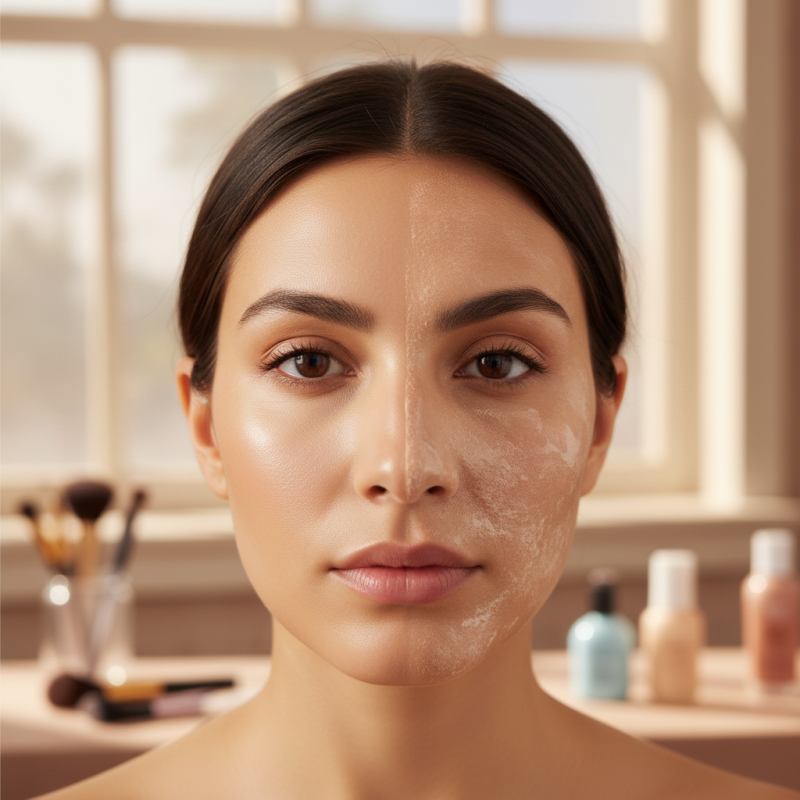
Cakey foundation is a common concern for many. To understand why this happens, we need to explore several factors.
According to a study by the American Academy of Dermatology,
improper skin preparation often leads to a cakey finish. Lack of hydration or exfoliation can cause dryness and flakiness,
making foundation sit unevenly on the skin.
Applying too much product is another key reason.
The Cosmetology Institute found that about 45% of makeup users overapply foundation.
This excess product can clump and accentuate textures on the skin. Instead, consider using less product and building coverage gradually for a more natural look.
Here are a few tips to help achieve a flawless finish.
Always start with a good moisturizer. A hydrated base allows foundation to blend seamlessly.
Use a damp makeup sponge to apply your foundation to ensure an even application.
Lastly, set your foundation with a fine-mist setting spray. It helps to lock in moisture and prevents cakiness throughout the day.
Reflecting on your application technique can greatly enhance your overall look.
Choosing the right foundation formula for your skin type is essential. According to a survey by the American Academy of Dermatology, 55% of individuals experience issues with their foundation looking cakey. The right texture and formulation can significantly reduce this occurrence.
For oily skin, lightweight, oil-free foundations work best. They help to absorb excess oil and reduce shine throughout the day. A study from the International Journal of Cosmetic Science highlights that silicone-based foundations are effective for many with oily skin. They create a smooth surface without feeling heavy. Look for foundations labeled as “matte” or “mattifying.”
Dry skin, on the other hand, benefits from hydrating foundations. Creamy formulas that contain moisturizing ingredients can prevent flakiness. A report from the Journal of Cosmetic Dermatology shows that ingredients like hyaluronic acid make a substantial difference for dry skin. It’s crucial to avoid powder foundations, which can enhance dryness and create a cakey appearance.
Understanding your unique skin type empowers you to make informed choices. Experimenting with different formulas can lead to improvement. Remember, even with the right products, personal application techniques can vary your results. Always prioritize a skin care routine that aligns with your needs before applying foundation.
Achieving a flawless finish with foundation often comes down to application techniques. Start with a clean and moisturized face. Apply a primer that suits your skin type. This step creates a smooth canvas and helps the foundation adhere better. When using a brush or sponge, be gentle. A heavy hand can lead to a cakey appearance. Instead, use light, tapping motions for even distribution.
Be mindful of the amount of product you apply. Too much foundation can initially seem great, but it often leads to an undesirable finish. Focus on problem areas, and let your skin breathe elsewhere. Layering is key; apply thin layers and build coverage as needed. Remember, blending is crucial. Pay attention to areas around the nose and jawline, as these are common spots where foundation can settle unevenly.
Don't rush the process. Take time to assess how your foundation interacts with your skin. Environmental factors like humidity can change the look of your makeup throughout the day. If you notice it looking off, reflect on your products and techniques. Often, less is more in the quest for a flawless appearance.
Achieving a flawless foundation finish starts with effective skin preparation. Many overlook the importance of moisturizing and applying a primer. These steps can dramatically affect how your foundation looks and wears throughout the day. Proper hydration creates a smooth canvas, preventing that dreaded cakey appearance.
Moisturizer should be chosen based on your skin type. If you have dry skin, a rich cream will help hydrate and plump up the skin. Oily skin types benefit from lightweight, oil-free formulas. After applying moisturizer, wait a few minutes for it to absorb. This waiting period is essential. Rushing can lead to uneven application.
Applying a primer adds an extra layer of smoothness. It fills in pores and fine lines, providing a seamless base for foundation. Some might skip this step, thinking it is unnecessary. However, without primer, foundation may cling to dry patches and accentuate imperfections. Experimenting with different primers can reveal the best match for your skin. Remember, everyone's skin is unique; what works for one may not work for another. Reflecting on personal experiences can lead to better makeup applications.
Setting your makeup well is crucial for a long-lasting, flawless look. Start with a clean and moisturized face. A proper skincare routine creates a smooth canvas. Use lightweight products to avoid heavy texture. Primer is your best friend here. It helps to fill in pores and makes foundation application easier.
After applying foundation, consider using a setting spray. This helps to lock in your makeup. Many people skip this step, thinking it's unnecessary. However, a good setting spray can keep your makeup intact for hours. Don't forget to set your under-eye area with powder. This prevents creasing throughout the day.
Remember, the environment matters. Humidity can make your makeup appear cakey quickly. A little touch-up with a blotting paper can help. Reflect on your technique. Is your application technique gentle enough? Over-applying products can lead to an uneven finish. Quality over quantity is essential for achieving that flawless look.
: Identify whether your skin is oily or dry. Light foundations work for oily skin while creamy, hydrating formulas suit dry skin.
Common causes include wrong formula choice, lack of skin prep, and improper application techniques. Reflection on your routine may help.
Lightweight, oil-free foundations are ideal. Look for mattifying options that absorb excess oil throughout the day.
Use moisturizing foundations and avoid powder formulas. Ingredients like hyaluronic acid can help keep your skin hydrated.
Proper hydration and priming create a smooth canvas. This can significantly enhance the finish of your foundation.
While it may seem unnecessary, primer helps fill in pores and lines. Skipping it can lead to uneven application.
Allow a few minutes for the moisturizer to absorb. Rushing this step can affect the foundation's final look.
Yes, trying various formulas can improve your results. Everyone's skin is unique, and personal experiences play a crucial role.
Understanding the question "why does my foundation look cakey" is essential for achieving a flawless makeup finish. The appearance of cakey foundation can stem from various factors, including using the wrong foundation formula for your skin type, improper application techniques, or inadequate skin preparation. By selecting a foundation suitable for your skin, such as matte or dewy finishes, and employing correct application methods, you can significantly improve the final look.
Additionally, proper skin prep plays a crucial role; moisturizing your skin and using a primer can create a smoother canvas for foundation application. To ensure your makeup lasts throughout the day without looking heavy or cracked, setting your makeup with powder or a setting spray is recommended. Addressing these areas can help you achieve a beautiful, long-lasting finish without the cakey appearance.
