How to Cover Acne with Makeup Without Clogging Pores Tips?

Time:2026-08-26 Author:Sienna
0%

Acne can be a struggle for many individuals. Covering acne with makeup can provide a confidence boost. However, the challenge lies in how to cover acne with makeup without clogging pores. This requires careful product selection and application techniques.

Certain makeup products clog pores and exacerbate acne. Choosing the right foundation is crucial. Opt for non-comedogenic formulas that allow your skin to breathe. Lightweight, oil-free foundations are often the best choices. Additionally, using a primer can create a smooth canvas, preventing makeup from sitting on blemishes.

Application techniques are just as important. Use clean brushes or sponges to minimize bacteria transfer. Blend makeup gently to avoid irritating the skin. Layering products can create a more natural look, but moderation is key. In some cases, less is more. Remember, achieving flawless coverage may take practice. Experimenting with techniques is essential for improvement.
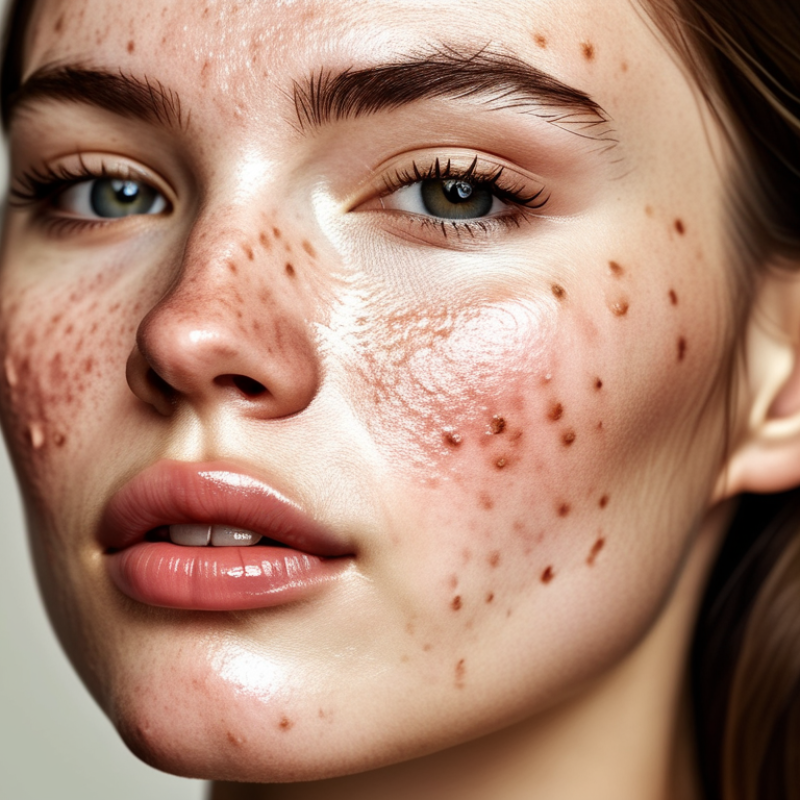
How to Cover Acne with Makeup Without Clogging Pores Tips?

Understanding Acne and Its Causes: A Primer on Skin Health

Understanding acne requires a closer look at skin health. Acne is often caused by an overproduction of oil, clogged pores, and bacterial growth. Hormonal changes, diet, and stress can also play significant roles. Many individuals experience flare-ups during puberty or menstrual cycles, highlighting the complex interplay of hormones.

Skin health is essential for managing acne. Keeping the skin clean helps reduce breakouts. Regularly using a gentle cleanser can prevent excess oil buildup. Sometimes, treatments may seem harsh. It’s essential to find a balance that works for your skin type. Over-cleansing might lead to irritation, which can worsen acne.

Reflecting on skincare routines is crucial. Many people struggle with consistency in their routines. Skipping treatments or neglecting hydration can hinder progress. Learning about your skin’s needs can make a difference. This journey toward clearer skin may take time, but understanding the underlying causes is key.

Choosing Non-Comedogenic Makeup: Products That Won't Clog Pores

When selecting makeup, non-comedogenic products are essential for acne-prone skin. These formulations minimize the risk of clogged pores. Look for labels that specifically state "non-comedogenic." Ingredients like water, silica, and mineral oil often meet these criteria. However, understanding your skin type helps make better choices.

Another factor to consider is texture. Lightweight, oil-free foundations provide coverage without overwhelming the skin. Creamy products may feel luxurious but can sometimes contribute to breakouts. Testing products on a small skin patch first can reveal any adverse reactions. Always pay attention to how different products feel throughout the day.

Makeup application technique also matters. Using clean brushes or sponges prevents bacteria from spreading. Layering products gradually allows for buildable coverage, reducing the intensity on your skin. Remember, it’s okay to embrace imperfections. Finding the right balance takes time and can be a process of trial and error. Have patience as you discover what works best for your skin.

Step-by-Step Application Techniques for Acne Coverage

When covering acne with makeup, the right application techniques can make all the difference. Start by cleansing your skin thoroughly. This helps remove excess oil and dirt, ensuring smoother makeup application. According to dermatological studies, using clean tools reduces the risk of further breakouts.

Apply a lightweight, oil-free moisturizer to hydrate your skin. Product consistency matters; a heavier moisturizer can contribute to pore clogging. Use a green-tinted primer to neutralize redness. The color wheel shows that green balances red tones, making it an effective choice for acne spots.

For effective coverage, use a makeup sponge or brush to apply an oil-free, non-comedogenic foundation. Pat the foundation onto the skin rather than rubbing it. This technique helps minimize irritation and keeps the natural texture. After foundation, dab a lightweight concealer onto blemishes. A clinical report suggests that using lighter formulas can help keep skin breathable while providing necessary coverage.

Finishing off with a translucent powder can help set your makeup in place. It absorbs oil and reduces shine. Remember, less is often more. Using too much product can lead to cakeiness, which can be counterproductive. Regularly assess your skin’s reactions to different products. The goal is to enhance your natural beauty while keeping skin concerns in check.

Utilizing Tools and Brushes for Flawless Makeup Application

When covering acne with makeup, choosing the right tools is crucial. Brushes and sponges can help achieve a smooth finish. According to a survey by the American Academy of Dermatology, approximately 40-50 million Americans suffer from acne. Using the proper application techniques can make a significant difference.

Start with clean tools. A dirty brush can spread bacteria, worsening acne. Experts recommend washing brushes every week to maintain hygiene. Opt for synthetic brushes for liquid products. They are easier to clean and less likely to harbor germs. Use a damp makeup sponge for foundation. This technique can create a seamless application and prevent heavy coverage, which may contribute to clogged pores.

Applying makeup with precision also involves technique. Begin by applying primer to create a smooth base. Dab foundation on problematic areas and blend outward. Avoid using heavy layers. A study from the Journal of Dermatology found that layering products incorrectly can lead to breakouts. Finish with a light dusting of translucent powder to set the makeup without increasing pore size. Even with these tips, not every application will be perfect. It can take time and experimentation to find the routine that works best for you.

Acne Coverage Techniques Using Makeup Tools

The Importance of Proper Skincare Routine Pre- and Post-Makeup

A proper skincare routine is essential before applying makeup. Cleanse your skin thoroughly to remove dirt and excess oil. Use a gentle cleanser that won't strip your skin of its natural moisture. This step sets a healthy base for makeup application. Exfoliating once a week can also help remove dead skin cells, ensuring a smoother finish.

After cleansing, hydration is key. Apply a lightweight, non-comedogenic moisturizer to keep skin hydrated. This helps makeup adhere better and prevents it from looking cakey. Don’t skip sunscreen, even if you plan to wear makeup. It protects against sun damage and helps in the healing process of acne-prone skin.

Post-makeup care often gets overlooked. At the end of the day, properly removing makeup is vital. Use a gentle makeup remover, followed by your regular cleanser. This ensures that pores remain clear and reduces the chances of breakouts. Regularly assess your skincare routine. It may require adjustments based on how your skin reacts. Be patient with the process; perfect skin takes time and consistent care.

FAQS

: What causes acne?

: Acne is caused by oil overproduction, clogged pores, and bacteria. Hormonal changes and stress also play roles.

How can I maintain skin health for acne management?

Keep skin clean with a gentle cleanser. Avoid over-cleansing to prevent irritation.

Why is consistency important in a skincare routine?

Skipping treatments can hinder progress. Knowing your skin's needs is crucial for improvement.

What should I do before applying makeup?

Cleanse your skin to remove dirt and oil. Use a gentle cleanser to maintain moisture.

How can I effectively cover acne with makeup?

Use a lightweight, oil-free foundation. Pat it on to minimize irritation.

What is the benefit of using a green-tinted primer?

It neutralizes redness and helps balance skin tones affected by acne.

How should I remove makeup after a long day?

Use a gentle makeup remover and follow with your regular cleanser for clear pores.

Is exfoliation important in skincare?

Yes, exfoliating once a week can remove dead skin cells for a smoother finish.

Why is hydration essential in skincare?

Moisturizers help makeup adhere better and prevent a cakey appearance.

How often should I evaluate my skincare routine?

Regular assessments are needed. Adjustments may be required based on your skin's reactions.

Conclusion

This article provides a comprehensive guide on how to cover acne with makeup without clogging pores, emphasizing the importance of understanding skin health and acne causes. It begins with an overview of acne, shedding light on its various triggers and the importance of maintaining a proper skincare routine. Choosing non-comedogenic makeup products is highlighted as a crucial step to prevent pore blockage while ensuring effective coverage.

The guide also details step-by-step application techniques for flawlessly concealing acne, with a focus on utilizing the right tools and brushes to achieve an even finish. Additionally, it underscores the significance of following a meticulous skincare regimen before and after makeup application to promote healthy skin and enhance overall results. By integrating these strategies, individuals can confidently cover acne while maintaining their skin's health.

Sienna

Sienna

Sienna is a skilled marketing professional with a deep expertise in our company’s core products and services. With a passion for innovation and detail, she plays a pivotal role in crafting insightful blog posts that not only highlight the unique features of our offerings but also provide valuable......