As summer approaches, many beauty enthusiasts find themselves asking, "why does my concealer keep creasing?" In hot weather, sweat and humidity can wreak havoc on makeup. According to a report by the American Academy of Dermatology, nearly 70% of individuals experience makeup issues during high temperatures. This can be particularly frustrating for those who rely on concealers for a flawless finish.
The science behind this phenomenon lies in the formulation of concealers. Many products contain oils and emollients that can break down in heat. This breakdown leads to creasing, making it difficult to maintain a smooth look. Research published in the Journal of Cosmetic Science emphasizes the importance of choosing the right products for different climates. It suggests that lightweight, matte formulas are more effective in humid conditions.
Moreover, individual skin types significantly influence how makeup performs. Oily skin can exacerbate creasing, causing concealer to slip or settle into fine lines. It is crucial to reflect on personal habits and adjust application techniques accordingly. Many users might overlook the impact of skincare routines or application methods, leading to less than satisfactory results. Understanding these factors is key to achieving a long-lasting, crease-free appearance in the heat.
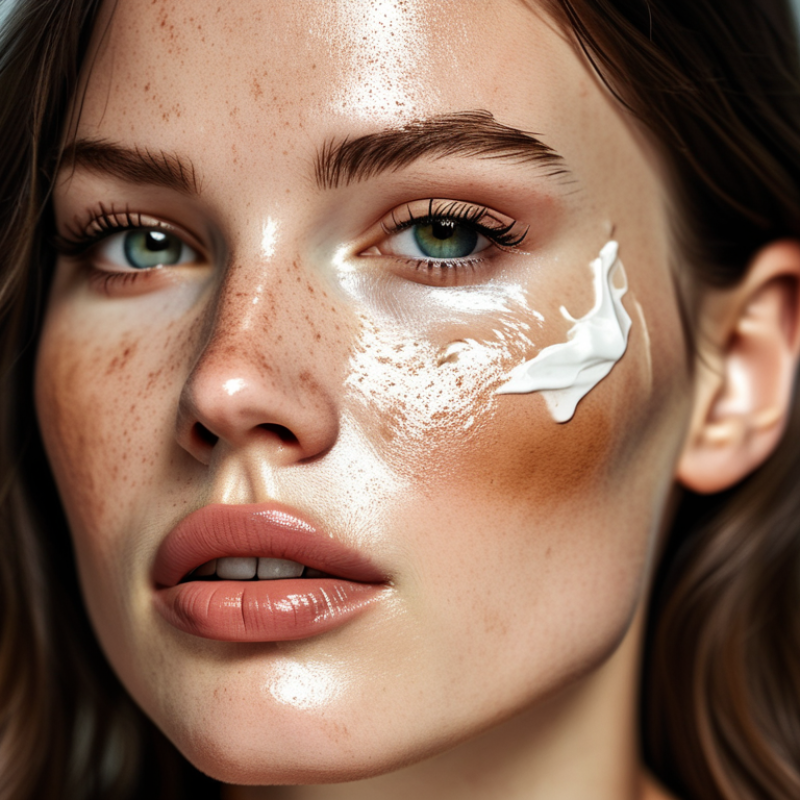
Understanding Concealer Formulation and Its Impact on Performance
Hot weather can wreak havoc on your concealer. Understanding its formulation is crucial for optimal performance. Many concealers have a base of oils or waxes. These ingredients can break down in high temperatures. As the skin produces sweat, this leads to migration and settling into fine lines. According to industry reports, nearly 70% of users experience creasing in humid conditions.
Formulation plays a critical role in how concealers perform. Products with silicone-based compounds often provide smooth application. However, they may not have the staying power in heat. On the other hand, water-based concealers tend to be lighter. They can feel refreshing in summer but may require frequent touch-ups. An estimated 40% of beauty experts suggest using a setting powder to combat creasing. While this technique can help, it may not eliminate the issue entirely, leading to potential frustration.
Even with the right products, human factors come into play. Skin type varies greatly among individuals. Oily skin, in particular, can make creasing more pronounced. Additionally, incorrect application techniques can exacerbate the problem. Many users often overlook the importance of a proper skincare routine before applying makeup. Without adequate preparation, any concealer will struggle in challenging weather. The artistry of makeup is both an experiment and a learning process. Adjustments might be necessary to find what truly works.
The Role of Skin Type in Concealer Creasing During Hot Weather
Hot weather can be a challenge for makeup enthusiasts. One common complaint is concealer creasing. Skin type plays a crucial role in this issue. Oily skin types are particularly prone to creasing in high temperatures. A study published in the Journal of Cosmetic Dermatology found that 54% of individuals with oily skin reported makeup problems in heat.
In contrast, dry skin types may also experience creasing, but for different reasons. Hydration levels fluctuate with temperature and humidity. When skin loses moisture, concealers may settle into fine lines. The American Academy of Dermatology emphasizes that skin condition directly influences makeup efficacy. Without proper skincare, dry skin can exacerbate creasing problems.
Moreover, environmental factors contribute to these challenges. High humidity can increase sweat production, which may break down products more quickly. Keeping in mind your skin type and its needs during hot weather is essential. Finding the right balance can prevent makeup mishaps and enhance overall appearance.
Concealer Creasing in Hot Weather by Skin Type
This chart illustrates the percentage of users experiencing creasing with concealer during hot weather, segmented by different skin types. Users with oily skin are most affected, while those with normal skin report the least issues with creasing.
Heat and Humidity: How They Affect Makeup Longevity
Hot weather can wreak havoc on your makeup, especially concealer. Heat and humidity can cause products to break down, leading to creasing. This happens because the skin produces more oil when it’s warm. The excess oil can lift the concealer from your skin, creating those frustrating lines.
To combat this issue, preparation is key. Start with a good primer that suits your skin type. A mattifying primer can help control oil. Additionally, choose a lightweight, oil-free concealer. These types of products tend to stay put better in hot conditions. Setting your concealer with a translucent powder can also help reduce creasing. Apply just enough to absorb shine without looking cakey.
Remember, even the best products might not last in the summer heat. Reapplication during the day may become necessary. Carry a small blendable concealer for touch-ups. At times, you might notice your makeup feels heavy, reminding you it’s okay to scale back. Lightweight, natural looks may be more comfortable and incorporate fewer layers. Patience and experimentation can lead to finding the right combination for you.
Tips for Preventing Creasing in High Temperatures
The sweltering heat can wreak havoc on your makeup. One common issue is concealer creasing. This occurs when the product settles into fine lines and wrinkles, making your skin look less than perfect. To combat this, consider some practical techniques that can help.
Hydration is key. When your skin is well-moisturized, the concealer adheres better and stays smooth. Use a lightweight, oil-free moisturizer to keep your skin hydrated. This prevents the excess oil that can lead to creasing as temperatures rise. Always allow your moisturizer to absorb fully before applying makeup.
Setting powders can be your best friend in hot weather. A translucent setting powder helps to mattify your complexion and lock your concealer in place. Apply it lightly with a fluffy brush. Be careful not to overdo it, as too much powder can look cakey and unnatural. A little goes a long way in ensuring your concealer stays put while still looking fresh.
Lastly, consider the technique of application. Rather than using a heavy hand, build your concealer in layers. Start with a small amount and gradually increase if needed. This method allows the product to blend seamlessly and reduces the likelihood of creasing. Remember, practice makes perfect, and experimenting with these tips can lead to the best results for your unique skin.
Choosing the Right Products for Warm Weather Makeup Application
Hot weather can wreak havoc on your makeup, especially concealer. Choosing the right products for makeup application in warm conditions is essential. According to a study by the International Journal of Cosmetic Science, humidity can increase the chance of creasing by 40%. Opt for lightweight, breathable formulas that offer good coverage without feeling heavy.
Look for water-based or oil-free concealers. These products tend to have a matte finish and resist melting. You might also want to consider setting your concealer with a translucent powder. Experts recommend using a small amount to minimize heaviness. Remember to apply it while your concealer is still slightly tacky for best results.
It’s also vital to prepare your skin before applying any makeup. A good skincare routine can create a solid base. Hydrating your skin is key, but be cautious with oily moisturizers in heat. Not every formula will suit your skin type, and what works for one person may not for another. Always perform a patch test if you're trying something new. Trying different techniques can lead you to discover what holds up best in the heat. Keep experimenting until you find your perfect warm-weather routine.
FAQS
: High temperatures can break down oils or waxes in concealers, leading to migration into fine lines.
Silicone-based concealers offer smooth application but may struggle with staying power in heat.
Building concealer in light layers can reduce creasing. Start with a small amount and blend well.
Well-hydrated skin allows concealer to adhere better and remain smooth, reducing the risk of creasing.
Yes, using a small amount of translucent powder can mattify the skin and lock the concealer in place.
Oily skin can exacerbate creasing issues, making it crucial to tailor your routine to your skin type.
Yes, experimenting with lightweight, breathable formulas can help you find what works best in warm conditions.
Absolutely. A good skincare routine creates a solid base, essential for makeup performance in challenging weather.
Overapplication can make your makeup look cakey and unnatural, so use a light hand.
Practice is key. Experimenting with techniques can lead to better results and a personalized routine.
Conclusion
In the article titled "Why Does My Concealer Keep Creasing in Hot Weather?", the author delves into several factors that contribute to this common makeup issue. Understanding the formulation of concealers reveals how different ingredients can impact their performance, particularly in warm conditions. Skin type plays a crucial role, as oily skin may experience more creasing compared to dry skin. Additionally, the effects of heat and humidity can significantly diminish makeup longevity, leading to unsightly creases.
To combat this, the article provides practical tips for preventing creasing in high temperatures, such as applying setting powders or sprays and using lightweight, breathable formulations. Furthermore, selecting the right products for warm weather application can make all the difference. By addressing these factors, readers can tackle the question of "why does my concealer keep creasing" and enhance their makeup wear despite the heat.
