How to Clean Makeup Brushes the Best Way for Flawless Skin?

Time:2026-07-17 Author:Charlotte
0%

Cleaning makeup brushes is essential for achieving flawless skin. To answer the question, "what is the best way to clean makeup brushes," you need to consider the right techniques and products. Improper cleaning can lead to clogged pores and breakouts.

Many people overlook the importance of regular brush maintenance. A build-up of makeup, oil, and bacteria can accumulate on your brushes. This can negatively affect your skin health. You might think they look clean, but appearances can be deceiving.

Using gentle cleansers is vital. Some people may resort to harsh chemicals, thinking they are more effective. However, this could damage the bristles. Opt for natural soap or brush cleaner for optimal results. Remember, a good cleaning routine can enhance your makeup application and keep your skin fresh. Investing time in this process will pay off in the long run.
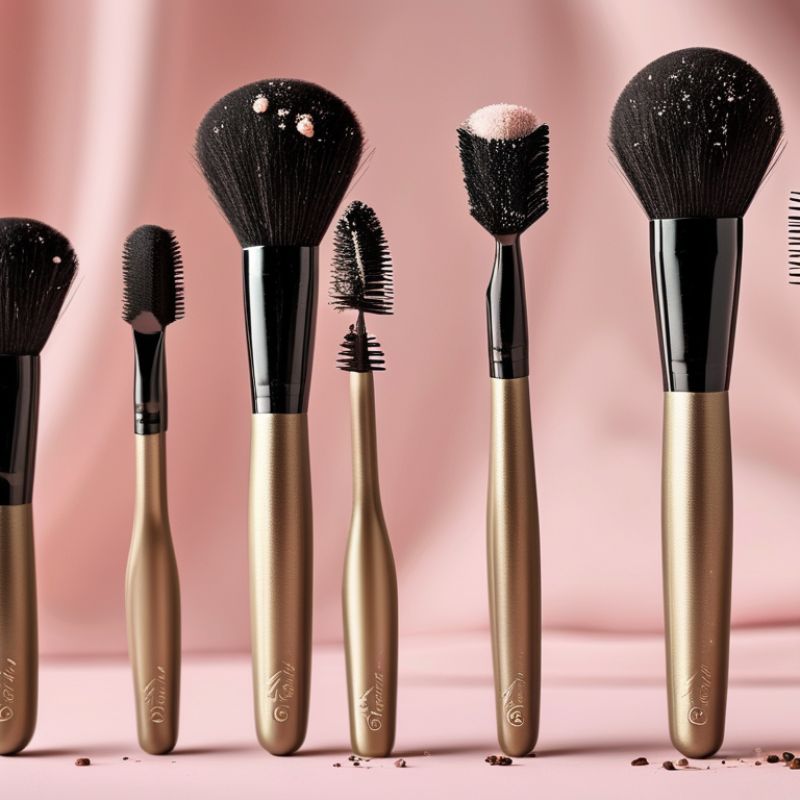
How to Clean Makeup Brushes the Best Way for Flawless Skin?

Understanding the Importance of Clean Makeup Brushes for Skin Health

Clean makeup brushes are vital for maintaining healthy skin. Studies indicate that dirty brushes harbor bacteria, leading to skin issues like acne and irritation. According to the Journal of Investigative Dermatology, nearly 90% of dermatologists recommend regular brush cleaning as part of a skincare routine.

Makeup brushes can accumulate dirt, oils, and makeup residue. This creates a breeding ground for harmful bacteria. A 2019 study highlighted that using dirty brushes can cause breakouts in over 40% of users. Regular cleaning can help reduce this risk significantly. It's essential to incorporate cleaning into your weekly routine to ensure your brushes remain a tool for enhancement rather than a source of skin problems.

Assessing brush hygiene reveals a surprising truth. Many people clean their brushes infrequently, often overlooking the importance of this task. Awareness of the link between brush cleanliness and skin health is crucial. Completing a thorough clean, ideally once a week, can immensely improve skin clarity and overall appearance. Make it a priority to elevate your skincare game.

Essential Tools and Materials Needed for Proper Brush Cleaning

Cleaning makeup brushes is essential for maintaining flawless skin. One of the key factors in effective brush cleaning is having the right tools and materials. Dermatologists recommend that brushes be cleaned at least once a week. Without proper cleaning, bacteria can thrive, potentially leading to breakouts or skin irritations.

To clean your brushes effectively, start with a gentle soap. Baby shampoo or a mild dish soap can work wonders. Avoid harsh chemicals that can damage bristles. You’ll also need a clean towel for drying and a cup for rinsing. A silicone cleaning mat can help in removing makeup residue effectively. Remember to reshape your brushes after washing. Proper reshaping will maintain their original form and enhance their longevity.

It’s not just about cleaning; it’s also important to assess your brushes. Most professionals suggest replacing them every six months. Even with regular cleaning, bristles can wear down and trap dirt. A recent survey indicated that 70% of makeup users do not replace their brushes often enough. Taking time to reflect on your brush hygiene can significantly impact your skin’s health.

Step-by-Step Guide to Cleaning Different Types of Makeup Brushes

Cleaning makeup brushes is essential for maintaining flawless skin. Bacteria and makeup residue can lead to breakouts and irritation. Knowing how to clean different brushes properly is crucial.

Start with synthetic brushes. They are typically used for liquid products. Use warm water and a gentle soap. Swirl the brush in the water. Rinse it thoroughly and reshape the bristles. Lay the brush flat to dry. Avoid soaking the brush's handle, as this can weaken the glue that holds the bristles.

Natural hair brushes require special care. Use a solution of water and mild shampoo. Gently lather the bristles and rinse carefully to avoid damage. Allow these brushes to dry upright. This prevents water from seeping into the ferrule. Regular cleaning can help you reflect on your skincare habits. Are you using your brushes often enough? Consider the impact on your skin. Regular upkeep can lead to better results.

Makeup Brush Cleaning Frequency vs. Brush Type

Best Practices for Drying and Storing Makeup Brushes After Cleaning

Cleaning your makeup brushes is just the beginning. Proper drying and storage are crucial for maintaining their quality. After washing, gently reshape the bristles to their original form. This helps keep them functional. Lay them flat on a clean towel to dry. Avoid standing them upright; water can seep into the ferrules, damaging the brushes over time.

Once dried, find a clean, cool place for storage. A makeup brush holder is a great option. It keeps brushes upright and prevents them from getting squished. Remember, brushes should be kept away from direct sunlight. Excessive heat can warp the bristles. A drawer is another viable option, but make sure it's clean to avoid dust accumulation.

You might notice some brushes still feel dingy or uneven. This could mean they aren’t fully cleaned or dried properly. Reflect on your cleaning routine. Are you thorough enough? Sometimes, it’s easy to overlook tiny details, yet they matter. Regular maintenance and mindful storage will enhance your brushes’ lifespan and, ultimately, your skin’s health.

How Often Should You Clean Your Makeup Brushes for Optimal Skin Care?

Cleaning your makeup brushes is vital for maintaining flawless skin. How often should you do it? Many experts recommend cleaning brushes at least once a week. This frequency helps prevent bacteria buildup, which can lead to breakouts. It's a simple, yet effective routine that requires minimal effort. Regular cleaning protects your skin from irritations caused by dirt and old makeup.

If you're using brushes daily, cleaning them every three to four days might be best. This is especially true for brushes that apply liquid foundation or cream products. These types collect more product and bacteria. On the other hand, eye brushes used less frequently could be cleaned every two weeks. Always remember, not cleaning brushes regularly can lead to puffy skin and more blemishes. Reflecting on your routine is essential. Are you really cleaning your brushes as often as you should?

How to Clean Makeup Brushes the Best Way for Flawless Skin?

Brush Type Cleaning Frequency Best Cleaning Method Effects of Not Cleaning
Foundation Brush Every 1-2 weeks Wash with mild soap and warm water, reshape and air dry. Clogged pores, breakouts.
Eyeshadow Brush Every 2-4 weeks Use a brush cleanser or olive oil and soap. Irritation, color transfer.
Blush Brush Every 1-3 weeks Rinse with warm water and shampoo. Patchiness, uneven application.
Eyeliner Brush After each use Clean with alcohol or brush cleaner. Bacterial growth, eye infections.

FAQS

: Why is cleaning makeup brushes important?

: Cleaning makeup brushes prevents bacteria buildup. It helps avoid breakouts and skin irritation.

How should synthetic brushes be cleaned?

Use warm water and gentle soap. Swirl the brush, rinse thoroughly, and reshape the bristles.

What care do natural hair brushes need?

Use a water and mild shampoo solution. Lather gently, rinse carefully, and dry them upright.

How should brushes be dried after washing?

Lay brushes flat on a clean towel. This prevents water from entering the ferrules and damaging them.

Where is the best place to store makeup brushes?

Store brushes in a clean, cool spot. A holder keeps them upright and avoids damage from squishing.

What should I do if brushes feel dingy after cleaning?

Consider if they were cleaned thoroughly. Reflect on your cleaning routine; small details matter significantly.

Can sunlight damage my makeup brushes?

Yes, direct sunlight can warp the bristles. Keep brushes in a shaded area for better preservation.

How often should I clean my makeup brushes?

Regular cleaning is essential. Consider your usage frequency to maintain skin health and brush quality.

What happens if I soak my brushes in water?

Soaking can weaken the glue in brush handles. Avoid immersing them completely to prolong their lifespan.

Is it normal to see uneven bristles after cleaning?

Yes, it might indicate improper cleaning or drying. Reflect on your methods to ensure brushes function properly.

Conclusion

Cleaning makeup brushes is essential for maintaining skin health and preventing breakouts. To understand what is the best way to clean makeup brushes, it's important to gather the necessary tools and materials, which typically include gentle soap or brush cleaner, water, and a clean towel. The process requires specific steps tailored for different brush types, ensuring that all residue is removed effectively. After cleaning, best practices for drying and storing brushes help maintain their shape and longevity. Regular cleaning—ideally once a week—can significantly enhance your skincare routine and lead to flawless skin by reducing the risk of bacteria buildup.

Charlotte

Charlotte

Charlotte is a seasoned marketing professional with a deep understanding of the company's portfolio and a passion for elevating its presence in the market. With a keen eye for detail and a commitment to excellence, she ensures that our professional blog is regularly updated with insightful articles......