2026 Top Setting Powder vs Finishing Powder Difference?

Time:2026-10-31 Author:Charlotte
0%

Setting powder and finishing powder can look nearly identical in the jar. Their jobs are different. Setting powder helps hold foundation and concealer in place, especially around the nose, under the eyes, and across the T-zone. Finishing powder is usually applied later to soften the look of texture, even out the visible finish, or add a subtle soft-focus effect. The difference matters. Too much of either can leave skin looking dry or overly matte.

For a formulation-focused perspective, cosmetic chemist Perry Romanowski is a relevant expert to consult. No article or transcript was provided to verify a direct quotation from him, so I won’t invent one. A practical summary, not a verbatim quote, is to choose powder by its formula and purpose rather than its label alone. That distinction helps answer “what is the difference between setting powder and finishing powder” in real makeup routines. A finely milled translucent powder tapped onto a creased under-eye area may help set concealer; a finishing powder dusted lightly over the cheeks may blur the look of pores. But labels and formulas vary. Sometimes the result is not perfect. This guide compares what each powder does, when to apply it, and how to avoid a cakey finish in daylight.
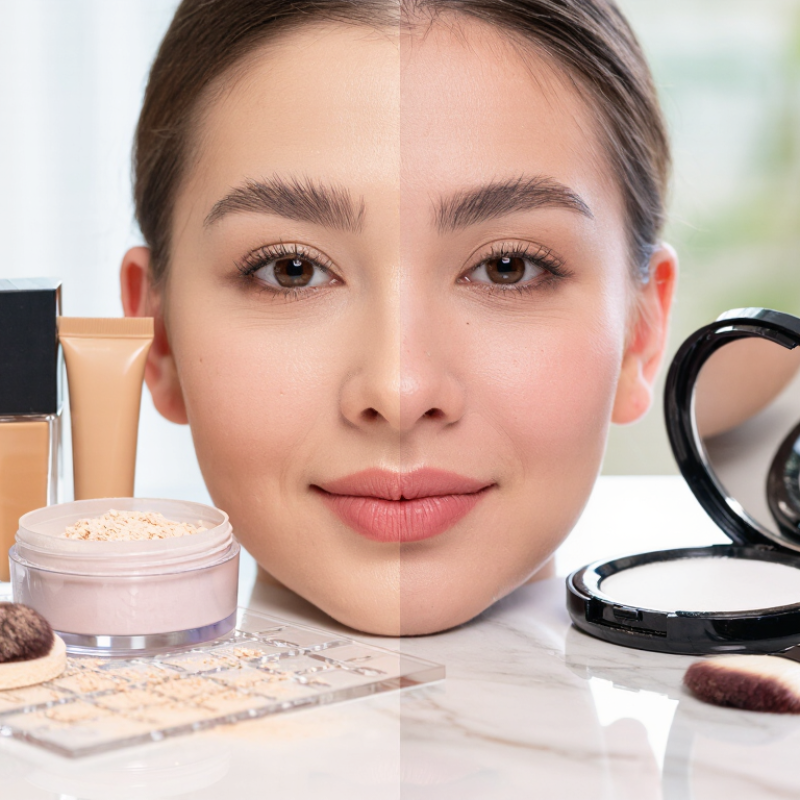
2026 Top Setting Powder vs Finishing Powder Difference?

What Setting Powder Does and How It Helps Makeup Last

Setting powder helps hold liquid or cream makeup in place by reducing surface tack and absorbing some oil. It is usually pressed or lightly swept over foundation and concealer, especially where makeup creases, such as the sides of the nose, under the eyes, and the chin. A small amount matters. Too much can make skin look dry or emphasize texture, particularly in daylight.

For a natural finish, use a fluffy brush and tap off excess before touching the face. Press a little powder onto the forehead or inner cheeks if those areas become shiny; avoid coating every part automatically. Smooth concealer into fine lines before applying a thin veil. On dry skin, powder only where makeup tends to move. It can help makeup resist rubbing and humidity, but it cannot prevent every touch-up. Real skin changes through the day.

Setting powder and finishing powder can overlap, though their main purposes differ: setting powder helps secure makeup, while finishing powder often softens the look of pores or uneven texture. Some formulas do both, so the label alone is not enough. Check how it looks in natural light. I sometimes reach for powder too quickly; a little shine may look healthier than a perfectly matte face.

What Finishing Powder Does and How It Refines the Look

A finishing powder refines the surface of makeup rather than acting only as a lock. It can soften the look of pores, reduce excess shine, and make foundation appear more even. The effect is subtle. It does not shrink pores or erase texture; it changes how light reflects from the skin. Setting powder, by contrast, is generally used to help liquid or cream products stay in place, especially around the nose, under the eyes, and across the T-zone.

The distinction is useful, but not absolute. Product names and formulas vary, so check the texture and directions instead of relying only on the label. Grand View Research estimated the global color cosmetics market at USD 81.1 billion in 2023, with projected growth through 2030. That broad industry figure does not measure finishing powder specifically, but it reflects the scale of consumer interest in complexion products. For a polished effect, sweep a small amount over the center of the face with a soft brush, then leave drier cheek areas mostly untouched.

Too much powder can make fine lines and dry patches more visible, particularly in daylight or flash photography. Not a filter. If the finish looks flat, try using less product or applying it only where shine appears. One imperfect detail: “blurred” skin can still look like skin, and that is often more convincing than a completely matte finish.

How Their Formulas, Textures, and Effects Differ

Setting powder and finishing powder may look similar in the jar, but they serve different purposes. Setting powder is designed to help liquid or cream makeup stay in place. Its fine, absorbent formula often contains ingredients such as silica or starch. Press a small amount onto the sides of the nose or beneath the eyes, where concealer tends to crease. A light veil. Too much can make skin look dry or emphasize texture.

Finishing powder is usually applied after makeup is complete. It can soften the appearance of pores and fine lines, giving the skin a smoother look in daylight or photographs. Some formulas are finely milled and nearly invisible; others add a subtle sheen. The effect depends on the powder’s texture and the amount used. A fluffy brush leaves a sheer layer, while a puff deposits more product.

The labels are not perfectly standardized, so products can overlap. Some powders set makeup and blur the complexion at once. Check the intended use and finish, then test a small amount in natural light. I would not assume that “finishing” means better for every skin type. On dry areas, even a soft-focus powder may settle into lines; on an oily T-zone, a targeted touch of setting powder may be enough.

When to Apply Each Powder in a Makeup Routine

After moisturizer, sunscreen, and foundation have settled, setting powder goes over areas that crease or turn shiny. Press a small amount onto the sides of the nose, under the eyes, or across the forehead with a soft puff. Let it sit briefly, then sweep away extra powder with a clean brush. This helps liquid and cream makeup wear more evenly. Use less on dry patches; powder can make flakes more noticeable.

Finishing powder usually comes later, after blush and other complexion products. Apply a light veil where you want a softer, more blended appearance, such as the center of the face or under the eyes. Some finishing powders add a subtle glow; others reduce the look of texture. They do not replace setting powder, and you may not need both. I used to add too much at the end, then wonder why my skin looked flat. A little restraint helps.

Tips: Test the powder in daylight, not only under a bathroom lamp. Tap excess from your brush before touching your face. If makeup looks dry by midday, try powdering only the creased areas next time. A full-face layer is rarely necessary.

How to Choose Between Setting and Finishing Powder

Choosing between setting powder and finishing powder starts with the result you need. Setting powder helps reduce tackiness and keep foundation or concealer from creasing. It is most useful where makeup moves or gets shiny, such as around the nose, chin, and under the eyes. Press a small amount onto those areas with a puff or brush. Use less. Too much can make skin look dry or emphasize texture, especially in daylight.

Finishing powder is usually applied after makeup to soften its overall appearance. Some formulas blur the look of pores or reduce shine, but they may not hold makeup in place as well. For a long day or an oily T-zone, choose setting powder first. For a softer, more polished look, try a light layer of finishing powder. You can use both, but keep the layers thin. I still find it easy to over-powder the sides of the nose; a little often looks better than a perfectly matte finish. Dry or mature skin may need powder only in selected spots. Check the result near a window, since bathroom lighting can hide excess powder.

Setting Powder vs. Finishing Powder: How to Choose

Typical emphasis of each powder type

Setting powder is typically used to set makeup and help manage shine. Finishing powder is typically applied at the end to soften the look of the finished makeup. These are general distinctions, not strict rules; formulas can overlap.

FAQS

What does setting powder do?

It reduces tackiness and helps foundation or concealer crease less. Use it on areas that get shiny.

Where should I apply setting powder?

Press a little around the nose, under the eyes, chin, or forehead. These areas often move or become oily.

When should finishing powder go on?

Apply it after blush and other complexion products. A light veil can soften the look of the center of your face.

Does finishing powder keep makeup in place?

It may reduce shine or soften the look of pores, but it may not hold makeup as well as setting powder.

Can I use both powders?

Yes, if you want. Keep both layers thin; I have overdone the final layer and made my skin look flat.

How much powder should I use?

Start with a small amount, then tap excess from your puff or brush. Less is enough.

What if my skin is dry?

Powder only creased or shiny areas. A full-face layer can make dry patches and flakes more noticeable.

How can I check whether I applied too much?

Look at your makeup near a window in daylight. Bathroom lighting can hide excess powder, and I still miss it sometimes.

Conclusion

Setting powder and finishing powder serve different purposes in a makeup routine. Setting powder is applied after foundation and concealer to help hold them in place, reduce excess shine, and limit creasing or transfer. Its formula is often designed to absorb oil and provide dependable wear, with textures ranging from finely milled loose powder to compact pressed powder. Finishing powder, by contrast, is usually used as a final touch to soften the appearance of makeup, blur the look of pores or uneven texture, and create a more polished finish. It may feel lighter and focus more on the visual effect than on extending wear.

So, what is the difference between setting powder and finishing powder? Setting powder helps makeup last, while finishing powder refines how it looks. Apply setting powder after liquid or cream complexion products; add finishing powder afterward, if desired. Choose based on your needs: prioritize setting powder for longevity and oil control, or finishing powder for a smoother-looking finish. You can use either one or both, applying a light layer to avoid a dry or heavy appearance.

Charlotte

Charlotte

Charlotte is a seasoned marketing professional with a deep understanding of the company's portfolio and a passion for elevating its presence in the market. With a keen eye for detail and a commitment to excellence, she ensures that our professional blog is regularly updated with insightful articles......